Swift Observatory Gets a Robotic Lifeline: What a 2026 Servicing Mission Means for Space Science

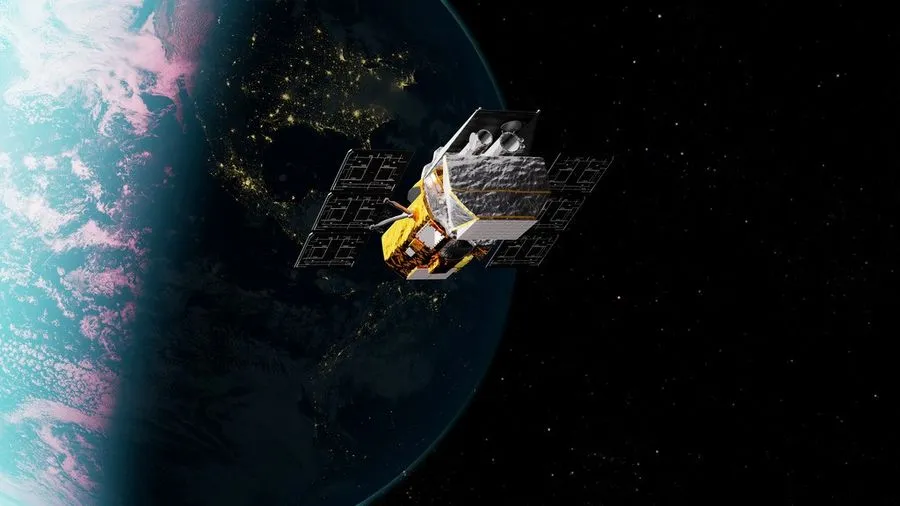
NASA's Swift Boost mission is set to launch in June 2026, sending a robotic spacecraft called LINK into orbit to dock with the Swift gamma-ray observatory and raise it to a higher altitude — buying the two-decade-old telescope years of additional operational life.
Swift launched in November 2004 and has spent over twenty years detecting gamma-ray bursts using its Burst Alert Telescope, along with other instruments. But like all spacecraft in low Earth orbit, Swift gradually loses altitude due to atmospheric drag, and without its own propulsion to fight back, its mission lifespan is finite. The Swift Boost mission tackles that problem directly.
The Spacecraft
Katalyst Space Technologies built LINK as a free-flying robotic servicer — essentially an autonomous spacecraft designed to find Swift in orbit, dock with it, and fire its own thrusters to push Swift higher. Testing and integration at NASA's Goddard Space Flight Center wrapped up in May 2026, clearing the final major hurdle before launch. The entire operation will run robotic; no humans are involved once the spacecraft is in orbit.
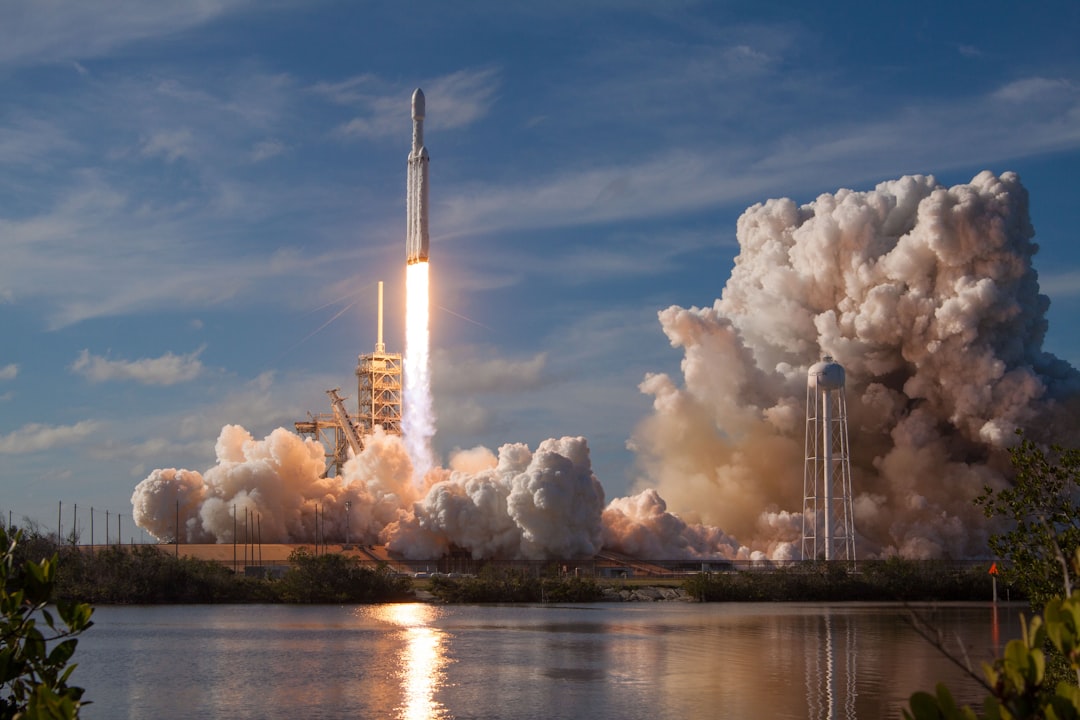
NASA chose a Northrop Grumman Pegasus XL rocket for the launch — an air-launched solid-fuel vehicle well-suited to this payload size. The Pegasus has a long track record for delivering small satellites to low Earth orbit.
Getting Ready
NASA began preparing Swift operationally months ahead of the boost. As of February 11, 2026, the mission shifted how it was being managed and monitored, anticipating the moment when control of propulsion would hand off to an external vehicle. The Burst Alert Telescope is expected to keep working through the boost sequence and beyond, which matters because Swift's BAT serves as a critical node in a worldwide network that alerts other telescopes to gamma-ray bursts the moment they happen. Any gap in that coverage ripples downstream.
The Bigger Picture
Robotic in-space servicing has been on drawing boards for decades, but actually doing it — especially for older spacecraft not originally designed with servicing in mind — remains uncommon. The Swift mission joins a small but growing group of projects testing robotic repair and refueling in real conditions. In my view, how successfully LINK performs will likely shape how space agencies design future observatories: whether servicing compatibility becomes a standard requirement from the start, rather than something tacked on as an afterthought.
If the boost succeeds, Swift will continue delivering data well past the horizon most people expected when it launched. That extended life keeps a scientific resource in place for a community that still relies on it.