How NASA Is Sending a Robot to Rescue a Falling Space Telescope

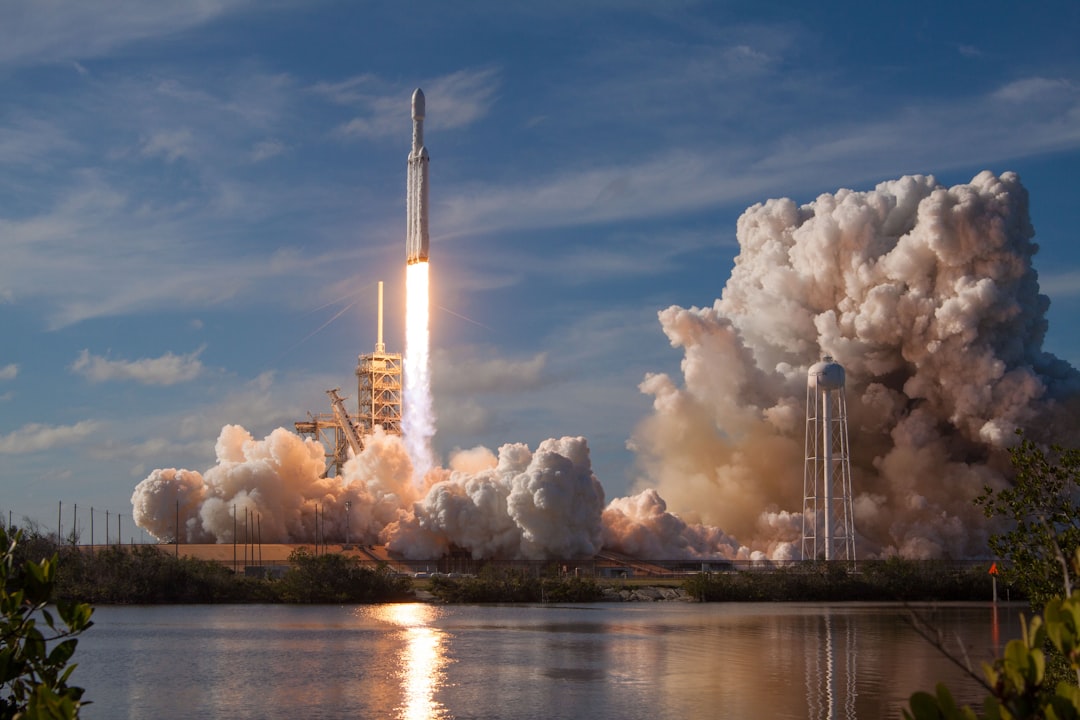
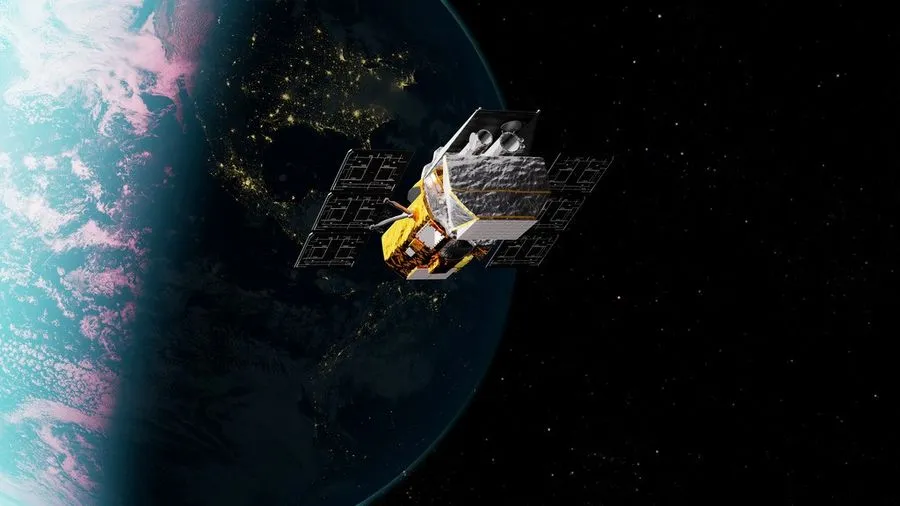
NASA launched a commercial rescue mission on July 3, 2026 at 4:36 AM Eastern time to save the Neil Gehrels Swift Observatory from plummeting back to Earth. A robotic spacecraft called LINK, built by Arizona-based startup Katalyst Space, is headed toward the aging telescope to boost it back to a stable orbit. The operation costs $30 million — a bargain compared to the cost of replacing one of astronomy's most productive instruments.
The launch itself was unconventional. A Northrop Grumman Pegasus XL rocket didn't blast off from a traditional launchpad. Instead, it was carried to 40,000 feet aboard Stargazer, a modified L-1011 passenger jet operated by L3Harris. The plane took off from Kwajalein Atoll in the Marshall Islands, climbed to cruising altitude over the Pacific, and released the rocket mid-air. The rocket then ignited and finished the job of reaching orbit. This air-launch method has been used for decades and works well when a flexible, mobile platform matters more than a fixed launchpad.
Ground control confirmed contact with LINK shortly after rocket separation, clearing the mission's first major hurdle. The spacecraft will now spend several weeks in orbit undergoing checkups — engineers will verify its propulsion system, sensors, and navigation hardware before attempting anything risky. Once certified healthy, LINK will approach Swift, perform a close inspection pass, and then move in to dock using three robotic arms. The entire operation, from arrival to final orbit boost, is expected to take 10 to 12 weeks.
Why Swift Matters
The Neil Gehrels Swift Observatory has been working steadily for over 20 years, hunting one of astronomy's most dramatic phenomena: gamma-ray bursts, or GRBs. These are sudden explosions in the distant universe, visible across multiple wavelengths — gamma rays, X-rays, ultraviolet, and visible light. Swift's key job is speed. When it detects a burst, it pivots its instruments to the same patch of sky within seconds and immediately alerts telescopes around the world and in orbit. Think of it as the 911 dispatcher for cosmic emergencies.
That rapid-response capability has led to major discoveries. Swift gathered crucial data from a neutron star merger detected in 2017 — a collision of two ultra-dense stellar remnants that solved a long-standing mystery in physics: where do the heaviest elements on the periodic table come from. That collision forged gold, platinum, and other rare heavy atoms. Without Swift's ability to respond within moments, much of that evidence would have been lost.
Brad Cenko, the mission's principal investigator, has described Swift's role as essential infrastructure for the astronomy community. Hundreds of scientists depend on those alerts to coordinate observations with other facilities.
The Problem: A Falling Orbit
Here is where atmospheric physics intervenes. The Sun's activity varies on roughly an 11-year cycle, and the current cycle has been unusually active. When solar radiation intensifies, Earth's upper atmosphere heats up and swells slightly outward. Any spacecraft flying low around Earth — Swift orbits about 600 miles up — faces increased drag. It is a slow but steady pull downward.
Swift's orbit has decayed faster than mission planners expected. Without a boost, the telescope would have re-entered the atmosphere and burned up by the end of 2026, according to Engadget. That deadline made a rescue urgent.
The Commercial Solution
The Swift Boost mission represents a shift in how space agencies tackle problems. Katalyst Space designed and built LINK under a NASA contract in a model the agency is calling a commercial servicing mission. Instead of NASA building the spacecraft itself, a private company did the engineering and construction. NASA pays for the result.
The broader context here matters. On-orbit servicing — the ability to repair, refuel, upgrade, or relocate spacecraft already in space — has been a stated goal for years. NASA and the U.S. Space Force have funded experimental programs since the 2000s, but most remained demonstrations. Swift Boost is among the first times this approach has been used on an active, working science instrument. If LINK succeeds, it will establish a template that could apply to many aging spacecraft.
Whether commercial servicing becomes routine will depend on whether LINK performs as designed over the coming weeks. The mission will test not just the technology but also whether the business model holds up in practice. Success would suggest that instead of deorbiting aging telescopes and building costly replacements, NASA and other space agencies could keep productive instruments in service far longer by contracting with private providers. The next three months will offer the first real answer.
Launch had been scheduled for no earlier than June 30, but weather at Kwajalein delayed it by three days. LINK arrived at NASA's Wallops Flight Facility in Virginia in early June for final processing before shipment to the launch site in the Marshall Islands.