Iran Signals Hormuz Closure as Nuclear Talks Continue Under Pressure

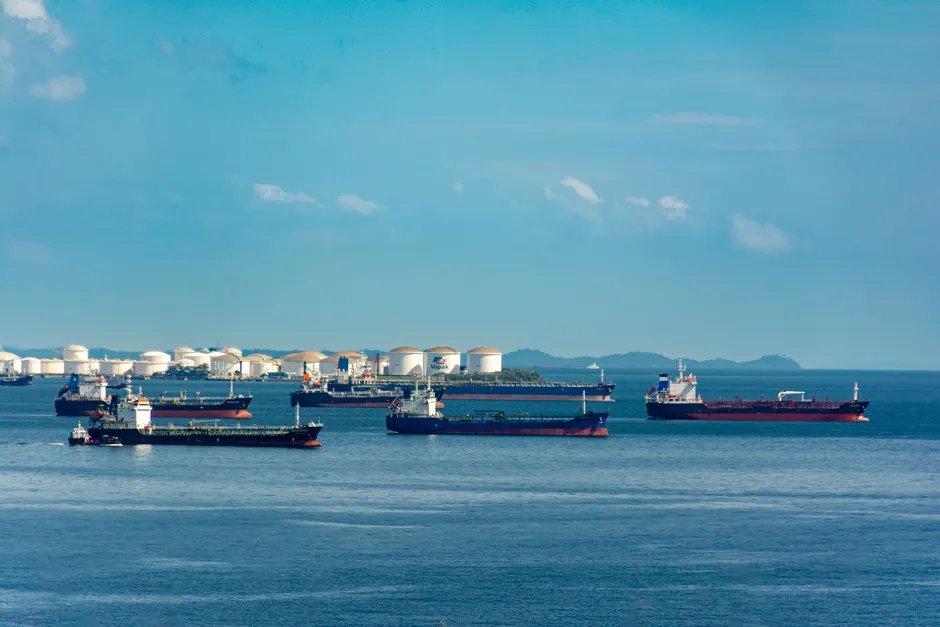
Iran's top joint military command announced on June 20 that the Strait of Hormuz had been closed, citing Israeli strikes on southern Lebanon and what it called ceasefire violations — a claim the United States flatly rejected, saying commercial and naval traffic was continuing to transit the waterway, according to Reuters.
The announcement arrived as Iran-US nuclear negotiations were already showing strain. Iran's Ministry of Foreign Affairs had postponed a planned Friday meeting in Switzerland on June 19. Iranian officials initially did not travel to Bürgenstock as scheduled, complicating the American push for direct engagement at the highest level, per AP News. Despite that, Switzerland confirmed on June 20 that US and Iranian negotiators had convened or were continuing talks at Bürgenstock, declining to identify the specific participants, Reuters reported.
US Vice President JD Vance was traveling to Switzerland for the negotiations, which centered on Iran's nuclear program and a broader ceasefire framework, AP News confirmed. His presence at the negotiating table, rather than behind the scenes, signals how urgently Washington views the talks — and how much political capital the Trump administration is willing to spend to show progress.
The Hormuz Claim and Its Strategic Weight
The Strait of Hormuz is a bottleneck through which roughly 20 percent of all traded oil and a significant share of liquefied natural gas (LNG) passes. The waterway, only 33 kilometers wide at points, sits between Iran and Oman. Even an unconfirmed closure announcement moves crude oil markets and concerns shipping insurers — which is exactly why Iran would deploy such a claim as leverage, whether or not it actually enforces a blockade.
Iran framed its announcement around Israeli strikes on southern Lebanon and alleged ceasefire violations — not as a direct response to the nuclear negotiations. That framing allows Tehran to signal it can escalate while linking the trigger to Israeli actions rather than to talks with the United States, which preserves some diplomatic space at Bürgenstock. Washington's quick public denial — that ships were still passing — serves a mirror purpose. Letting an Iranian closure claim stand unchallenged, even symbolically, could hand Tehran a narrative win and trigger the kind of shipping rerouting and insurance complications that amount to real economic disruption on their own.
The Lebanon Connection
On the same day it announced the Bürgenstock postponement, Iran's Foreign Ministry issued a formal condemnation of what it called Israeli crimes in Lebanon, explicitly warning of US complicity. The timing and pairing of that statement with the negotiation postponement signal Tehran's position: the Lebanon ceasefire and the nuclear file are not separate problems to be negotiated independently. Iran has historically bundled regional deterrence commitments — its support for Hezbollah and Palestinian groups — into any bilateral framework with the United States, and the June 19 statements reinforce that stance as talks resume.
Switzerland's diplomatic role here carries weight. Bern has served as the US protecting power in Iran since 1980, managing consular and some diplomatic functions in the absence of formal embassy relations. That structural position gives Switzerland credibility with both sides that a purely neutral venue alone would lack. The Swiss Foreign Minister, according to the Iranian Embassy in Bern, welcomed the trajectory of negotiations and reaffirmed Switzerland's readiness to extend support — language that suggests Bern is actively facilitating the process rather than simply providing a location.
What the Signals Add Up To
On June 20–21, the picture resembles managed turbulence: talks continuing at the working level in Switzerland while Tehran simultaneously deploys a maximalist signal on Hormuz and sustains its Lebanon messaging. That combination aligns with a negotiating posture aimed at extracting concessions under pressure, not with one headed toward collapse.
The key variable in coming days is whether Vance's presence produces a political-level exchange with Iranian counterparts or whether Tehran keeps discussions at a technical tier while the pressure signaling continues separately. The Hormuz claim — disputed though it is — has already served its intended function as a disruptive move. Whether it escalates into actual blockade enforcement or quietly recedes as talks advance will shape the next phase of a negotiation that has been fitful for months.