Iran's Grip on the Strait of Hormuz Is Tightening—and the Diplomacy Is Fraying

An Iranian delegation arrived at peace talks in mid-April 2026, with Vice President JD Vance en route to join the negotiations The New York Times. President Trump suggested at the time that Iran was overestimating its leverage ahead of talks The New York Times. By early July, that assessment had hardened into the prevailing view among analysts—and the fragile ceasefire backing the diplomacy now sits on the edge of collapse, according to the Council on Foreign Relations CFR.
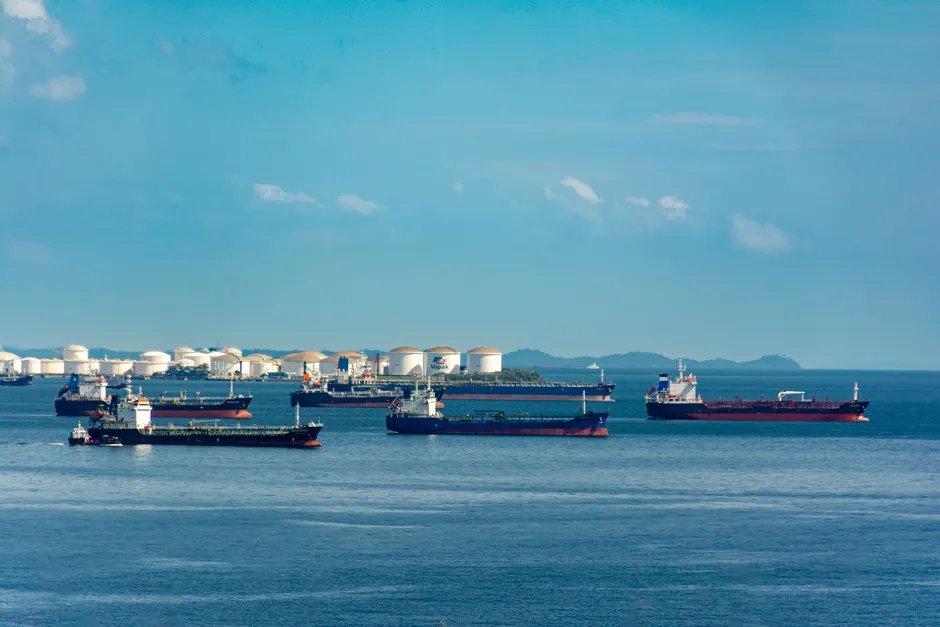
The Strait of Hormuz, a waterway connecting the Persian Gulf to the Arabian Sea, carries roughly a quarter of the world's seaborne oil CSIS. Iran shut it down after a major U.S.-Israeli military strike in late February 2026. Iran's military issued radio warnings prohibiting navigation on February 28, then formally declared the strait closed on March 4 and began attacking transiting ships Al Jazeera Studies. By early March, Iranian naval forces had largely halted traffic; a Congressional Research Service report from March 11 documented the systematic threats and attacks CRS. The Center for Strategic and International Studies found that roughly 88 percent of affected shipping consisted of oil tankers, and noted that even vessels flagged to or destined for China—a nation with leverage in Tehran—could not get through CSIS.
This is not a negotiating tactic confined to a handful of ships. The International Crisis Group tracked shipping and found only a single Iran-linked tanker that had completed the full journey from loading in Iranian waters to a point east of the Malacca Strait—a narrow passage between Malaysia and Indonesia. That single tanker illustrates how thoroughly the corridor has seized up, despite Tehran's insistence that it retains operational control Crisis Group.
Iran's stance, however, has hardened over the months. In early July, Reuters reported that senior Iranian officials say Tehran intends to maintain control over the strait, though the same sources conceded Iran may be miscalculating how far Washington will tolerate that position Reuters. Iran's military has begun framing the waterway as Iranian territory, declaring that "the Strait of Hormuz is not a playground for the aggressive U.S." and asserting its jurisdiction, per Crisis Group's updated tracking Crisis Group.
The consensus among outside analysts is that Iran is overplaying its hand, though their explanations for why Tehran adopted this approach differ. The Hill's April analysis warned that Iran's reliance on coercion, transit fees, and harassment raises the risk of a confrontation Iran cannot ultimately control The Hill. The Times of Israel in May framed Iran's posture as a bet that Trump will back down first—a gamble that may badly misjudge American tolerance Times of Israel. Analyst Alexandru Hudisteanu made a similar argument in June, cautioning that Iran's overreliance on the strait as leverage carries escalation risk Al Jazeera.
The Institute for the Study of War offers a different reading. Its June report found Iran attacking and threatening vessels to advance its objectives ISW. By early July, ISW assessed that the escalation is working: it preserves Iranian leverage over shipping and Gulf energy flows while strengthening Tehran's hand in any future settlement negotiations ISW. This reading complicates the dominant Western narrative. Rather than bluffing and losing, Iran may be executing a deliberate coercive strategy with real staying power.
How the crisis resolves hinges partly on which interpretation is closer to reality. If Iran is genuinely overplaying its hand—the view held by Reuters' sources, The Hill, the Times of Israel, and Hudisteanu—then time is the pressure point. Tehran's leverage weakens the longer the closure persists and as alternative shipping routes or naval escort arrangements develop. If the Institute for the Study of War's assessment holds, Iran's calculation is closer to prevailing than collapsing, and it is Washington's patience, not Tehran's, that will likely crack first.
A July 7 attack on a liquefied natural gas tanker complicates both narratives. Iranian state television reported the vessel had ignored warnings, but Tehran declined to directly claim responsibility for the strike, per Al Jazeera's account Al Jazeera. That ambiguity—a state media narrative without a state claim of responsibility—reads less like confident control of a waterway and more like hedging one's own accountability, regardless of which analyst camp proves correct.
The International Crisis Group has proposed establishing a U.S.-Iran de-escalation channel aimed specifically at preventing miscalculation around the strait Crisis Group. Whether such a mechanism is built before the ceasefire fully unravels, as the Council on Foreign Relations warned it might, could determine whether the coming weeks bring a negotiated settlement or the escalation neither side publicly wants but neither has yet stepped away from.