Oil at an 11-Day Low as Trump Meets Gulf Leaders, With Bonds on Edge

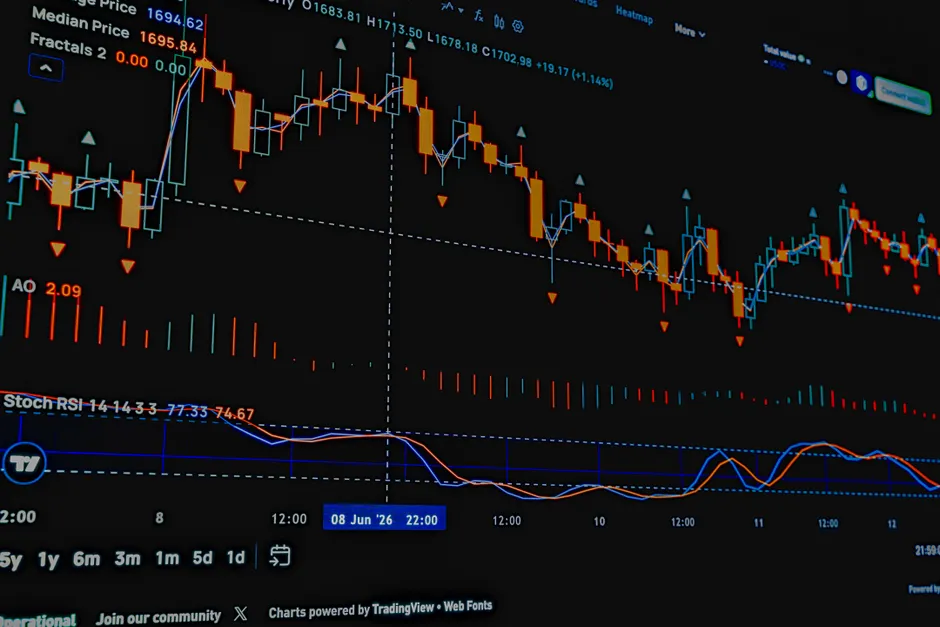
Oil prices slid to an 11-day low on Monday, September 21, 2026, as President Donald Trump headed into meetings with Gulf Cooperation Council leaders during UN General Assembly week where the conflict with Iran would likely be discussed, according to Reuters.
The broader context here is why this matters for savings and mortgage costs. Markets were unsettled after Trump said the Iran war would not end until after November's midterm, as noted in Reuters commentary on Sept. 10. That longer timeline keeps two risks priced in: possible disruption at Hormuz, the waterway for much of the world's oil, and steady U.S. borrowing. Duration risk is shorthand for how much bond prices fall when yields rise.
In March, a $69 billion sale of two-year U.S. Treasury notes drew what Bloomberg called unexpectedly weak demand. Treasury notes are short-term IOUs from the government. The Wall Street Journal reported Treasury yields jumped after that weak auction as markets dealt with uncertainty over war in the Middle East. A yield is the yearly return investors demand to lend. Weak demand pushes it up.
The Journal reported in a March 26 update that Treasury yields and the dollar swung up and down after Trump further delayed strikes on Iranian energy facilities. Trump told Reuters on April 1 the United States will be "out of Iran pretty quickly" and could return for "spot hits" if needed. In April 2026, U.S. Treasury auctions attracted improved investor demand.
By late April, FXEM's Abdelaziz said worry about lack of progress in U.S.-Iran diplomacy reinforced safe-haven demand, as reported by the Journal. That is buying of bonds and dollars for safety. In June, the Journal reported Treasury yields changed little amid no visible progress in talks to reopen Hormuz. The Journal reported crude futures rose nearly 2% amid the Hormuz impasse. The Journal then reported yields and the dollar rose alongside oil as the ceasefire looked increasingly fragile.
Oil surged and stocks and bonds dropped after Trump said the framework for the ceasefire with Iran "was over", according to Reuters. In a July 2026 U.S. auction, 30-year bonds were awarded at 5.058%, with existing 30-year bonds having traded at yields as high as 5.20% in 2026, per Bloomberg.
In my view, the stretch from March to July shows two patterns. When talks stalled but oil kept flowing, Treasuries drew haven buying and the dollar held firm while crude carried only a small risk premium. When the ceasefire itself cracked or energy sites made headlines, crude jumped, inflation expectations measured by breakevens rose, and bonds and stocks fell together. That split explains choppy trading early, then moves where everything sold or rallied together.
Looking toward UN week, the order matters more than the level. Weak March demand for two-year notes spread fast. Better April demand steadied funding. A yield above 5% on the 30-year reset tolerance for long-term lending. With oil at an 11-day low, the question is whether Gulf headlines extend the ceasefire or bring back Hormuz and energy-target risk. Rates, currencies and crude are trading the same headline, which points to continued headline swings rather than quick settlement.