Burnham's UN Debut: What His First General Assembly Was About

Andy Burnham travelled to New York to attend the United Nations General Assembly on 22 September 2026, with a meeting with Donald Trump due at around 4:45pm UK time. It was his first General Assembly as prime minister. The trip set up a day of bilaterals and multilateral sessions in New York. In plain terms, bilaterals are direct meetings between two leaders, while multilateral sessions bring many countries together. The Guardian
Burnham planned to say in his General Assembly speech that Britain is not "on the slide". He told reporters on the plane to New York that his main priority was setting Britain's direction over the next 10 years and making life more affordable. He also claimed that Britain is the fastest-growing economy in the G7, the group of seven major advanced economies.
The schedule in New York included bilateral meetings with European Commission President Ursula von der Leyen and Ukrainian President Volodymyr Zelenskyy. Burnham was also scheduled to co-chair a meeting on the Middle East with leaders including Emmanuel Macron and Mark Carney. The Trump meeting was listed for late afternoon UK time.
Burnham became prime minister on 20 July 2026 after taking over from Keir Starmer. He is Britain's seventh prime minister in a decade. He was elected leader of Britain's governing Labour Party before becoming prime minister. Reuters
The succession followed Starmer's resignation as prime minister, which paved the way for Burnham. Burnham was the overwhelming favourite to succeed Starmer as prime minister as soon as July 2026. He was expected to get the keys to No 10 unopposed after Starmer's resignation. Wes Streeting backed Burnham to become Labour leader and prime minister after deciding not to run to become Labour leader in June 2026. The Guardian
Starmer said Labour "should go on to win the next election" under his likely successor Burnham. Burnham was the MP for New Makerfield in June 2026. He had been elected Member of Parliament for Leigh in June 2001. He is nicknamed the 'King of the North'. He promised to "rewire" Britain upon becoming prime minister. Reuters
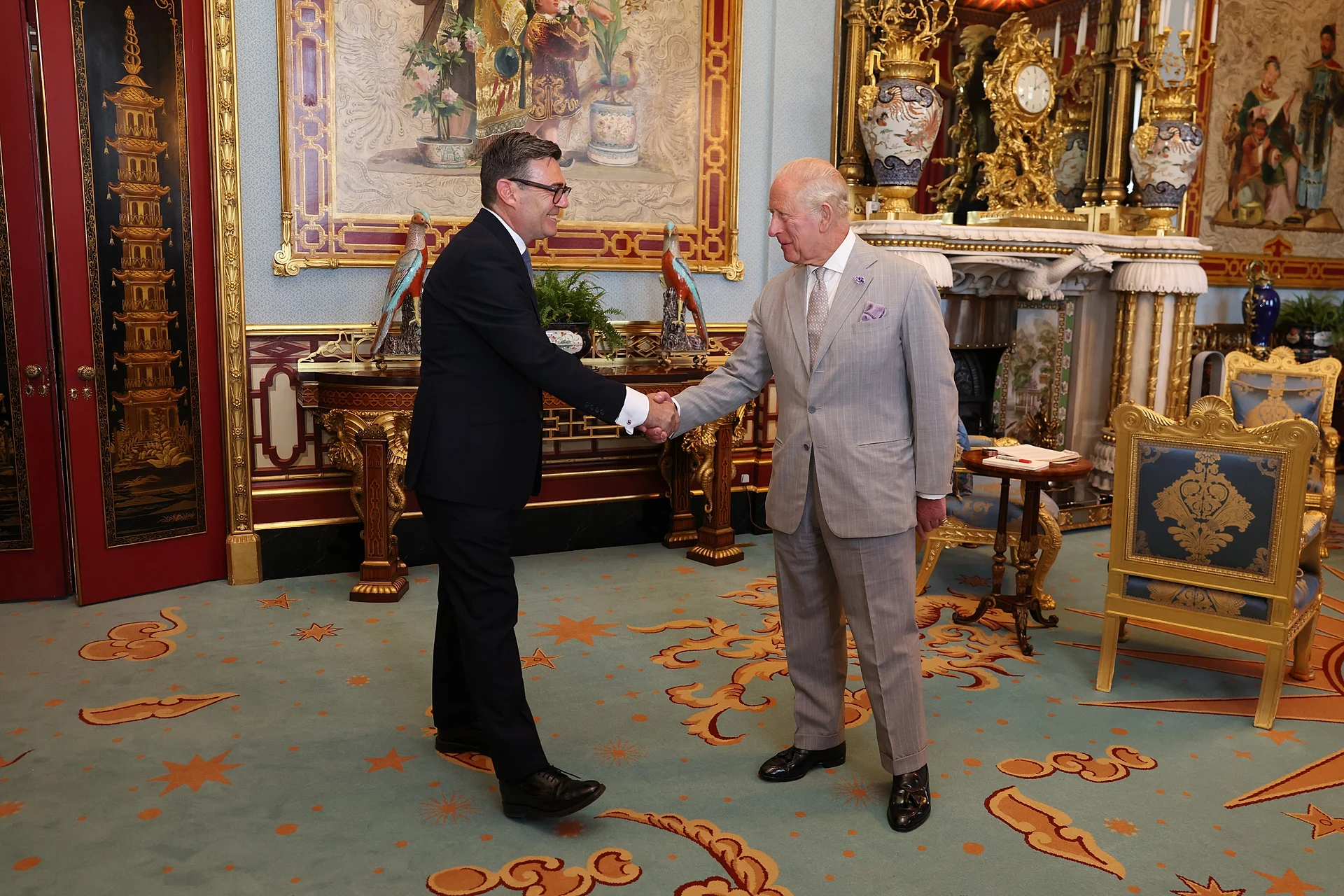
The formal transfer of office followed established procedure. Andrew Burnham accepted The King's offer and kissed hands upon his appointment as Prime Minister and First Lord of the Treasury. On 21 July 2026 at Buckingham Palace, The King held a Council at 11.30 a.m. attended by Andrew Burnham MP as Prime Minister. The Court Circular is the official record of past royal engagements. Burnham gave his first speech as prime minister on the steps of Downing Street on 20 July 2026. The Prime Minister's Office published the July 2026 ministerial appointments announcement dated 20 July 2026.
The broader context here is how a recently appointed leader uses the General Assembly to set out direction. Two months passed between Burnham taking office in July and the September Assembly. A debut speech lets a new prime minister introduce priorities to many counterparts in one venue, like addressing a full room rather than calling each capital separately. Bilaterals provide separate channels for direct exchange alongside the plenary.
In my view, the diary itself carries weight for readers who track diplomacy. A meeting with Trump, bilaterals with von der Leyen and Zelenskyy, and a co-chaired session on the Middle East compress several relationships into a single day. Each format serves a different purpose. Bilaterals test working rapport. Co-chaired meetings distribute convening responsibility.
Looking at what this means for British foreign policy management, continuity and presentation will both be under observation. Burnham framed his plane-side remarks around a 10-year direction and affordability at home. His planned Assembly line rejected decline. His economic claim asserted G7 outperformance. Those are political statements for attribution to him, not independent findings.
The sequence to watch is procedural. Speeches state positions. Meetings probe them. Appointments implement them. Burnham arrived in New York having completed leadership election, royal appointment, Downing Street address and ministerial appointments. The Assembly was the next institutional step.