Yemen's Red Sea Battle: Why the Fight for Kahboub Matters

As many as 169 people were reportedly killed in three days to 22 September 2026 as Houthi forces and Saudi-backed government troops fought for heights overlooking Yemen's Red Sea coast.
The exact toll is disputed. Houthi military officials said at least 118 people had been killed in clashes and Saudi air and artillery strikes on Taiz, al-Jawf, Marib and Saada provinces since Sunday. Yemeni government sources said at least 36 people had been killed on the government side in the same three-day period The Guardian. Military sources cited separately by AFP put the dead at more than 150 in two days of fighting.
The Houthis accused Saudi Arabia of striking the port city of Mocha on 22 September, killing six civilians including two children. They said a separate Saudi strike on a prison in al-Jawf province killed nine detainees. The claims could not be independently verified. They follow earlier civilian-casualty claims, including Houthi reports via Al-Masirah TV of two civilians killed when Saudi strikes destroyed a bridge in Taiz province.
Fighting in the days to 22 September focused on the Kahboub mountains near the Red Sea coast as the Houthis tried to lock in recent gains. The Houthis pushed on the outskirts of Taiz province and the coastal area of Ras al-Ara to control the range. Kahboub works like a lookout over the coast. Control there gives a clear view and firing position over coastal roads and would further cut off Aden, the seat of Yemeni government forces, from the western coast.
That push caps a three-week Houthi offensive that took much of Yemen's Red Sea coast from government-aligned forces. The Houthis took control of Mocha and other strategic cities in the week before 22 September, giving them control over the Bab al-Mandab strait The Guardian. The strait, a narrow chokepoint ships must pass through, carries 10% of all global maritime traffic. Houthi units had reached Perim island at the entrance to the Red Sea by 12 September, and the group captured two strategic Red Sea islands in the same advance, tightening its hold on the shipping lane.
Saudi Arabia backs Yemen's UN-recognised government against Houthi forces. Riyadh issued an alert in the south of Yemen on 22 September before potential strikes after Houthi strikes on Riyadh at the weekend for the first time in years. On 19 September the Houthi group said it carried out two military operations targeting Saudi Arabia. The exchange continues a sequence from earlier in the month, when the Houthis struck an airbase in Khamis Mushait and oil infrastructure in nearby cities, and Saudi Arabia later hit Yemen with 54 strikes after an attack on bases.
Yemen's civil war started in 2014 when the Houthis seized the capital and toppled the government. A UN-brokered ceasefire, an agreed pause in fighting, established in 2022 had largely held until the 2026 offensive. Yemen's internationally recognised government launched counterattacks against Houthi rebels in the week to 8 September, with fighting intensifying in Taiz and al-Bayda provinces in early September.
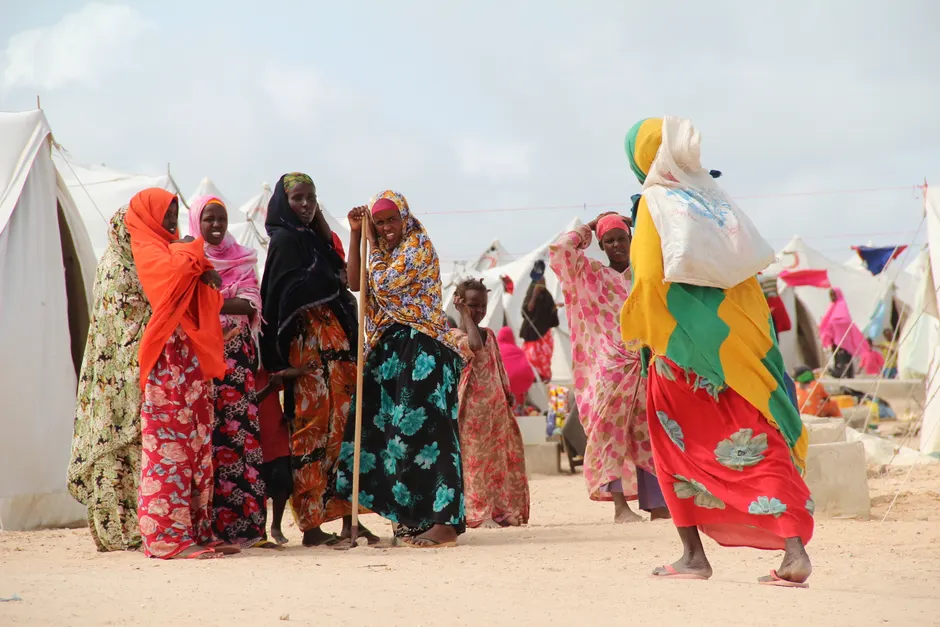
About 22 million people in Yemen need humanitarian assistance and 5.2 million are internally displaced, meaning they fled homes but remain inside Yemen. Nearly 50,000 people fled a sudden Houthi advance in western Yemen reported on 12 September, with entire villages emptied. Thousands more fled homes amid the battle for the heights as of 22 September Al Jazeera. Nearly 700 people were killed and thousands injured in fighting as Houthi fighters pushed to seize strategic heights, as reported on 21 September, while sources on both sides said more than 500 people died in clashes in the week before late September. Houthis attacked Saudi tankers along the Red Sea in the same period.
The broader context here is maritime and regional. Iran had closed the Strait of Hormuz as of 22 September. The US-Iran war was in its seventh month. With Bab al-Mandab under Houthi control and Hormuz closed, two principal energy and container transit chokepoints face simultaneous disruption. For insurers, naval planners and humanitarian logisticians, that combination changes risk calculations for Red Sea routing, force posture in the Arabian Sea, and access to Aden and Hodeidah.
Looking at what this could mean for the next phase, terrain will shape options. Kahboub offers observation and firing control over coastal roads. If consolidated, it complicates any government attempt to retake Mocha from Aden or to reopen lateral supply lines to the west. If contested, it points to sustained air and artillery strikes of the kind reported in Taiz, al-Jawf, Marib and Saada. Diplomacy has little recent traction to stop that cycle, and the collapse of the 2022 ceasefire removes the deconfliction contacts that previously helped contain escalation.