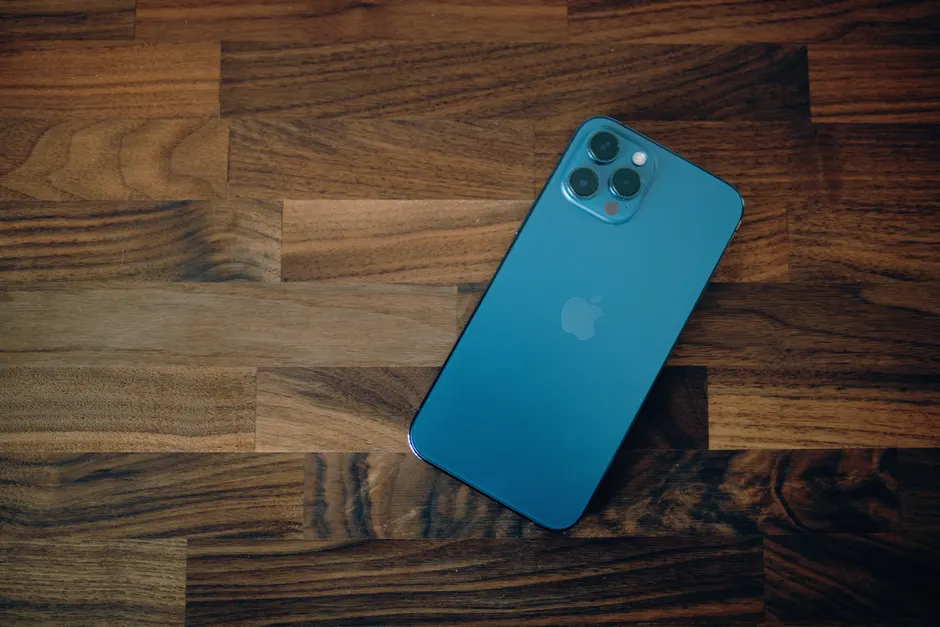
iPhone 18 Pro vs 17 Pro: What Changes and Who Should Upgrade

The iPhone 18 Pro adds a 2-nanometer A20 Pro chip, a smaller Dynamic Island, and gains in battery life, wired charging and cameras over the iPhone 17 Pro.
Engadget set out the case for staying put on September 22 in a feature titled "Five reasons to stick with your iPhone 17 Pro instead of upgrading to the 18 Pro" Engadget. MacRumors took the same comparison from the upgrade side on September 16, with a guide to moving from the 17 Pro to the 18 Pro MacRumors.
Design and screen
On the exterior, the differences are finish and weight. The 18 Pro comes in deep Burgundy, light Glacial and black. Black was absent from the 17 Pro lineup. The 18 Pro is a few grams heavier than the 17 Pro.
The front sensor housing is revised. The 18 Pro has a smaller Dynamic Island than the 17 Pro because a new infrared sensor, which handles face and depth sensing, sits hidden beneath the screen Engadget. The cutout shrinks while the sensing function remains.
Chip, battery and cameras
The 18 Pro runs on the A20 Pro chip, described as the first built on a 2-nanometer architecture, where a smaller transistor size lets more transistors fit in the same space for speed and efficiency. It has one extra GPU core, the part of the chip that handles graphics, compared to the A19 Pro and delivers up to 40 percent better graphics performance. It includes a second Neural Engine, the block built to run AI tasks, to better handle AI work.
The 18 Pro has better battery life than the 17 Pro. It also has faster wired charging speeds than the 17 Pro MacRumors.
The 18 Pro has improved camera capabilities compared to the 17 Pro.
What this means if you have a 17 Pro
The broader context here is familiar to anyone who has followed Pro cycles. A shift to a smaller process plus an extra graphics core and an extra Neural Engine gives more headroom for game and video rendering and for AI that runs on the phone itself. The under-screen infrared sensor trims the visible cutout. Longer battery life and faster wired charging change the daily routine. None of this needs new developer tools to follow. It fits existing buckets of graphics computing, AI task handling, power budget and camera input.
From what I have seen at home, my two children stretched upgrades over several years and moved when battery life or camera results made a practical difference for school, work and travel. That household test fits Pro phones. Buyers tend to move when a clear bottleneck appears.
In my view, the default for 17 Pro owners is to wait unless games and video work push the graphics limits, on-device AI features fill the day, or charging speed and battery life have become a constraint. The direction is still positive, toward more efficient chips and more capable AI that can run on the phone without a trip to the cloud. That progress builds year to year. It does not require buying every year to gain from it.