Victoria's 2026 Tree of the Year: Nine Finalists and How Voting Works
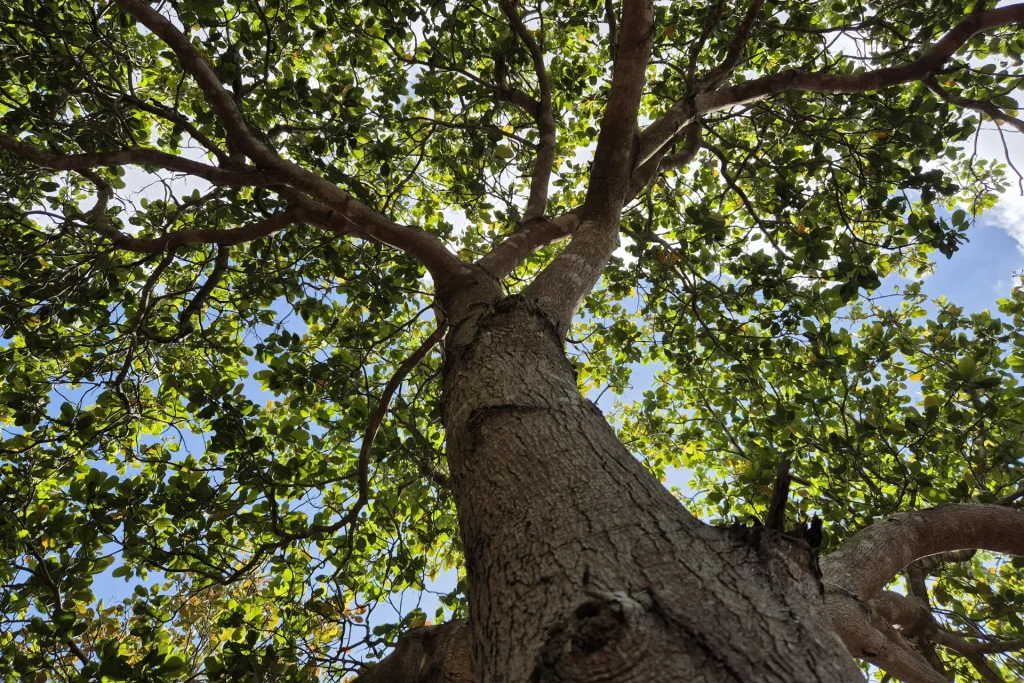
Voting opened at 9am on 22 September for the 2026 Victorian Tree of the Year. Nine finalists were chosen from more than 40 nominations by a panel of 12 experts and arboriculturists, tree specialists. The competition is run by the National Trust of Victoria The Guardian.
Eligibility is narrow. A tree must already be listed on the National Trust significant tree register, which recognises up to 10,000 important trees in Victoria for cultural, scientific and historic value, like a heritage list for buildings. The contest started in 2016 to raise awareness about trees around Victoria and advocate for their protection.
The 2026 shortlist spans native and introduced types, urban streets and production landscapes. It comprises a myrtle beech (Nothofagus cunninghamii) at Apollo Bay, a flooded gum (Eucalyptus grandis) at Carlton North, Californian redwoods (Sequoia sempervirens) at Warburton, a ginkgo (Ginkgo biloba) at Geelong, an Indian bean tree (Catalpa bignonioides) at Castlemaine, a smooth-barked apple myrtle (Angophora costata) at Prahran, a Canary Island pine (Pinus canariensis) at Ballarat, a golden wych elm (Ulmus glabra 'Lutescens') at South Yarra, and a bunya pine at Maldon ABC News.
The Geelong ginkgo was planted in Geelong Botanic Gardens in 1859 and is now more than 167 years old. Ginkgos, also known as maidenhairs, were thought to be extinct in the wild for many centuries before being revived. The Warburton redwoods were planted in the 1930s by the Melbourne Metropolitan Board of Works as an experiment to test if conifers, cone-bearing trees, could clean drinking water. The Ballarat Canary Island pine was planted by 1867 by Jacob Bernstein, a member of Ballarat's Hebrew community.
Others show different strengths. The Prahran smooth-barked apple myrtle is the biggest of its kind in cultivation, or grown by people. The Carlton North flooded gum was most likely planted in the 1960s or 1970s. The Maldon bunya pine stands in Kathy Whiteman's front yard.
Voting is open to everyone through the National Trust website, and closes at midnight on Thursday 22 October 2026 National Trust. Nominations for this cycle closed on Sunday 30 August.
Recent editions have combined public affection with land-use pressure. An Algerian oak growing north of Ballarat for 130 years was crowned Victorian Tree of the Year while facing removal for transmission lines ABC News. The 2023 title went to The Big Tree, a river red gum at Guildford in central Victoria.
The broader context here is how a popular vote interacts with legal and planning protections. Listing on the significant tree register records value. It does not by itself settle questions of retention, infrastructure clearance, water catchment management, or private garden stewardship. Public attention can change decisions, and past contests suggest voters respond both to antiquity and to threat. What to watch is where support gathers this year, urban specimens, catchment plantings, or privately held trees, and how that focus shapes care after 22 October.