Zelenskyy Asks Trump for Help to End the War Before Winter
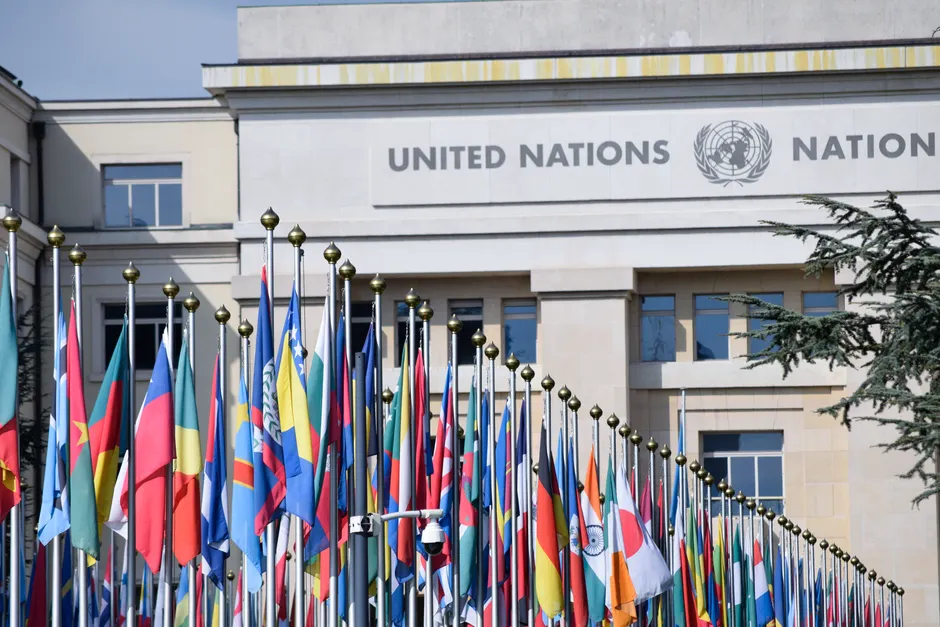
Volodymyr Zelenskyy told Donald Trump in New York on September 22, 2026, that he hopes to end the war before winter with Trump's help. He spoke during a bilateral meeting held on the sidelines of the 81st session of the UN General Assembly, according to contemporaneous reporting from The New York Times and RBC-Ukraine.
General Assembly week brings dozens of leaders to New York for short, back-to-back meetings. Washington listed this one as a bilateral meeting with the president of Ukraine. The White House Briefings & Statements index carries an entry titled 'President Trump Participates in a Bilateral Meeting with the President of...' dated September 22, 2026, and the White House separately maintains a video page titled 'President Trump Participates in a Bilateral Meeting with the President of Ukraine' White House. The Ukrainian presidency also documented it as a meeting with the U.S. president on the sidelines of the UN General Assembly Ukrainian Presidency.
An energy cease-fire with Russia was on the agenda, according to pre-meeting reporting from UPI and Reuters. Cease-fire here means a temporary stop to attacks, in this case aimed at energy sites. Reports varied in wording between cease-fire and truce. No text was published in the verified material. Scope, duration and verification mechanism, if any, were not specified.
The September 22 meeting followed contacts this summer. The Ukrainian presidency website records a phone call between Zelenskyy and Trump Ukrainian Presidency. Days later, in a readout of Zelenskyy's meeting with Senator Lindsey Graham, the presidency said Zelenskyy highlighted agreements reached during his meeting with Trump in Ankara Ukrainian Presidency. In early September, the presidency published an item on a meeting in Kyiv with the U.S. president's envoys concerning restarting the negotiation process Ukrainian Presidency.
The broader context for the venue is access. New York gives leaders direct contact that can be harder to schedule in capitals.
The broader context here is sequencing. An energy truce is a limited instrument, like pausing strikes on the power system without settling the wider fight. It does not settle territory, security guarantees or political settlement. If observed, it can reduce strikes on power generation, transmission and heating infrastructure when demand rises and repair is harder. Kyiv has an incentive to frame it as a test of negotiability. Moscow, in past energy-related understandings, has treated such pauses as tactical and conditional. Washington has an incentive to frame it as momentum.
In my view, the winter reference should be read as both operational and diplomatic. Winter raises costs for civilians and grids. It also creates a calendar marker for diplomacy. Zelenskyy tied that marker publicly to Trump's involvement. That puts the onus for follow-through partly on Washington, while preserving Kyiv's argument that ending fighting requires American leverage.
Looking at what this means for practitioners, three points deserve attention. First, whether the energy item moves from agenda to defined terms. Without clarity on coverage, monitoring and response to violations, a truce stays declaratory. Second, whether the envoy channel cited in the Kyiv readout produces a negotiating format both sides accept. Third, whether the Ankara understandings mentioned in the Graham readout resurface in later U.S. and Ukrainian readouts. Consistency across readouts is often where limited agreements either harden or fade.


