Trump at the U.N.: Action Message, Zelenskiy Meeting and Iran Remarks
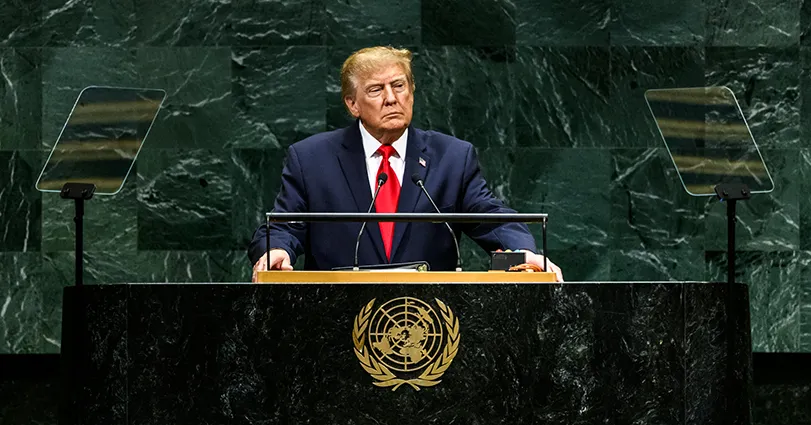
President Trump spoke to the 81st United Nations General Assembly in New York on Sept. 22, 2026.
The White House said the speech showed American strength and resolve is back. In a release titled "President Trump at the United Nations: “While Others Have Talked, I Have Acted”," it described the address as a record of action, not just discussion White House.
The visit was previewed two days earlier. On Sept. 20, Reuters reported that Trump would speak Tuesday morning and was expected to meet Volodymyr Zelenskiy in New York on Tuesday Reuters. That put the formal address and the one-on-one meeting on the same day.
State Department spokesman Tommy Pigott discussed the speech with NPR's Mary Louise Kelly. The interview aired on All Things Considered and was published by NPR at 4:46 PM ET on Sept. 22 as "Is President Trump the world's peacekeeper?" NPR.
Two other moments drew separate coverage. While entering the U.N. building on Sept. 22, Trump said, "I'm surprised that CNN is here covering me, you shouldn't be here" Reuters. In his General Assembly remarks, he said a deal with Iran is possible after the midterm elections CNN.
At the opening session in New York, Turkey's president called for more pressure on Israel DW.
For context on the messaging, the White House line was direct. It drew a contrast between talk and action. That wording works for voters at home as well as delegates in the room, and it gave spokespeople like Pigott a short line to use on NPR.
The broader context here is how the White House used different channels at once. The formal speech gave the official record. The NPR interview added explanation. The entry comment and the Iran line gave reporters unscripted moments. Each channel reached a different audience and carried a different level of authority.
In my view, the schedule matters as much as the words this week. With the Assembly speech, a planned meeting with Zelenskiy, and competing messages from other leaders, the window for one-on-one talks is tight. That makes the later readouts and State Department follow-up worth watching more closely than the first statements.


