Morocco's 12th Legislative Elections: Registration, Jobs, and the Border
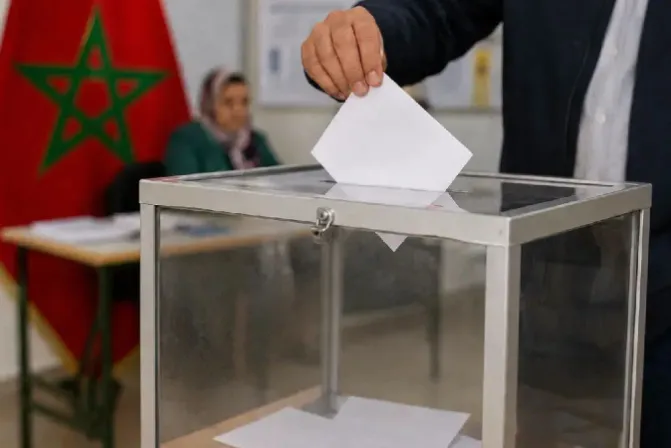
Morocco will vote on September 23, 2026, in its 12th legislative elections since independence, with 15.8 million registered voters in a country of 36.8 million people. The figure, reported by the Interior Ministry, means the electoral roll, the official list of people allowed to vote, covers less than half the population. Al Jazeera
The election date was confirmed by the government's Maroc.ma portal, which lists September 23 as polling day for the 2026 legislatives. Maroc.ma The same official source describes the ballot as the 12th of its kind since independence.
People aged 18 to 24 account for roughly 12% of Morocco's population but make up just 4% of its 15.8 million registered voters. Kiro7
The Interior Minister held two meetings with political party leaders about the upcoming legislative elections. The 2026 process is presented by authorities as aiming to boost representation of youth, people with disabilities and expatriates, or citizens living abroad. Maroc.ma
The government urged public administrations, establishments and businesses to provide facilities for workers to exercise the right to vote in the September 23 legislative elections. Maroc.ma On September 1, 2026, the Presidency of the Public Prosecution called for concerted efforts to safeguard electoral probity, meaning honesty and fairness in how the vote is run. Maroc.ma
Youth unemployment is officially calculated at 35.8 percent. ISS Africa A separate assessment puts unemployment among Moroccans aged 15 to 34 at 35 percent. Carnegie Endowment Both measures point to more than one in three young Moroccans without work.
Protesters say their anger reflects a lack of economic opportunity, according to The New York Times summary of its reporting on the movement. The Times lists the relevant article under the title "Frustrated Gen Z Threatens to Topple African Governments" on its Aida Alami author page. The New York Times Its Economic Conditions and Trends topic page includes entries mentioning Ceuta, Spain, Fnideq, Morocco, and a viral Gen-Z protest movement. The New York Times
At the northern border, Ceuta recorded 2,582 land arrivals compared with 978 during the same period in 2025, an increase of 164%. Spain's Ceuta sought transfer of unaccompanied migrant minors to mainland Spain. Reuters As of August 1, 2026, more than 400 minors who arrived in Ceuta had been relocated.
Fnideq, the Moroccan town opposite Ceuta, has functioned in past cycles as a staging point for attempted crossings. Ceuta, as a Spanish enclave on the North African coast, a small Spanish territory on that coast, places Moroccan domestic pressure directly inside EU border management.
The broader context here is about legitimacy, not only about how many people vote. A roll of 15.8 million, combined with youth under-registration and sustained joblessness above 35%, creates structural abstention, where large groups stay out of voting almost by design. Authorities can run polling stations efficiently and still face questions about representativeness if the 18 to 24 cohort remains largely outside the roll.
Looking at what this means for Rabat, the announced correctives address supply, not necessarily demand. Quotas or incentives for youth, disabled and expatriate representation, voter facilitation for workers, and prosecutorial oversight of probity improve the formal offer. They do not by themselves alter the calculation for unregistered young people who describe the problem as economic opportunity rather than electoral access.
In my view, the Ceuta data should be read alongside the electoral data, not as a separate migration story. When land arrivals rise 164% year on year while youth registration stays at 4% of the roll, both point to exit over voice for a segment of the cohort, leaving rather than voting. Madrid's decision on transfers of unaccompanied minors then becomes part of Morocco's post-election environment, shaping bilateral cooperation on border control, readmissions and development assistance.
Looking ahead to after September 23, diplomats will watch three variables. First, published turnout disaggregated by age, if released. Second, whether parties seat younger candidates in usable list positions rather than symbolic ones. Third, whether crossings at Ceuta stabilize or continue to track protest cycles. None is determinative alone. Together they will indicate whether the 12th legislature narrows the distance between a young population and an older electorate.