Morocco's 2026 Parliamentary Vote: Seats, Math, and What Comes Next

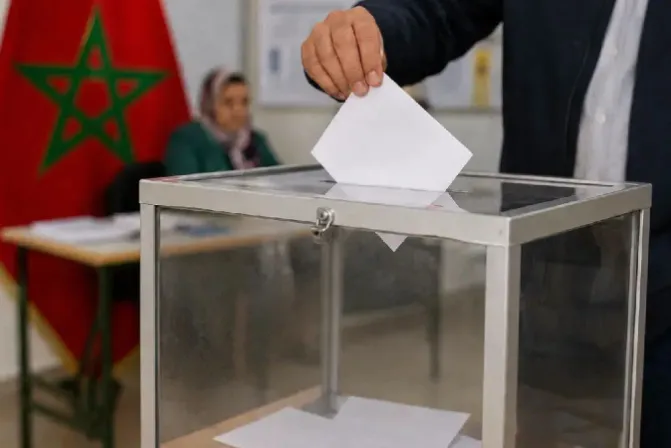
Morocco held legislative elections on September 23, 2026 to elect the House of Representatives, the lower house of parliament. Voters cast ballots in Rabat and in constituencies across the country on that date. Al Jazeera
More than 15.8 million people were registered to vote. Twenty-seven political parties competed for 395 seats. Fifty-five percent of eligible voters live in urban areas and 45 percent in rural regions. Nearly six million Moroccans living overseas were required to appoint a proxy, a person in Morocco, to cast their vote.
Parties campaigned in markets and online ahead of the vote. Morocco's Public Prosecution, the authority that logs election offenses, recorded a significant drop in election-related complaints in 2026 compared with 2021.
After the vote count, Morocco's king appoints the head of government from the leading party. That appointee needs the support of 198 deputies for an absolute majority, just over half of 395, to gain parliamentary confidence and form a government. The September 23 vote is the country's 12th legislative election since independence in 1956. It is also the fourth election since 2011 Arab Spring protests led the monarchy to share more power with parliament. Reuters
The broader context here is arithmetic and procedure. No single list wins governing authority by plurality alone. The designation from the leading party starts the negotiation, but confidence requires 198 votes. That rule shapes alliance-building, distribution of minister posts, and the policy compromises needed to hold a coalition together. The sequence is vote count, designation, then confidence. The 395 seats matter less as a headline than as a map of possible majorities.
Looking at what this means for the next legislature, the mandate is operational as well as political. The election will shape the government overseeing the final stages of a $20-billion preparation push. Reuters That gives the coalition talks a hard deadline logic. Spending decisions, infrastructure delivery, and coordination between ministries will sit with ministers whose tenure depends on holding that 198-vote bloc.
In my view, three structural details deserve close attention. First, the urban-rural split. A 55-45 electorate forces parties to run parallel campaigns and then reconcile those voters in one program. Second, diaspora voting by proxy. It preserves a legal link to domestic constituencies, but it filters participation through personal networks and administrative steps. Third, the complaints data. A significant drop compared with 2021 is an administrative signal. It does not by itself settle questions about competitiveness or turnout, which will turn on certified results and post-election assessments.
The campaign venues are also telling. Markets remain central to retail politics and last-minute persuasion. Online platforms extend reach and speed. Together they suggest an electorate canvassed in person and contested online, with parties adjusting message and organization to each.
What comes next is procedural. Results will determine the ranking of parties, the king will appoint the head of government from the leading party, and that leader will test for 198. Until confidence is secured, Morocco will be in the familiar interval between voting and governing.