Iran Oil Waiver: How the Trump Administration Reversed Course on Maximum Pressure

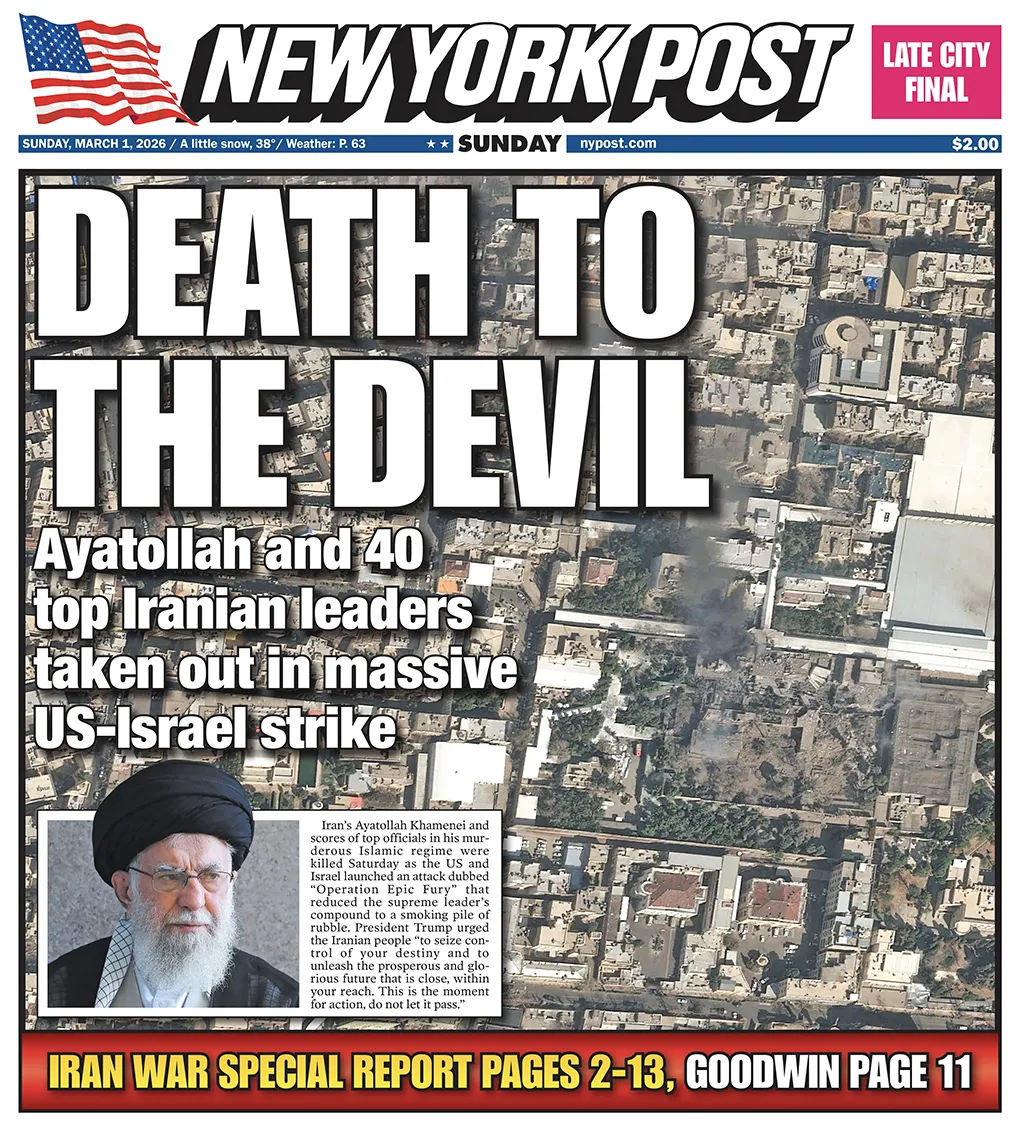
A sanctions waiver allowing Iranian oil sales has become central to a ceasefire deal between the U.S. and Iran, Reuters reported on June 18, 2026 — a significant reversal for an administration that devoted its first year to intensifying economic pressure on Tehran.
The shift is striking. In February 2025, the Trump administration issued NSPM-2, which attributed Hamas's October 7, 2023 attacks and ongoing Houthi operations in the Red Sea to Iranian support, and identified Iranian oil revenues as a key funding source for these activities. The explicit goal, outlined in an accompanying White House fact sheet, was to reduce Iranian crude exports to zero by eliminating existing waivers. As recently as May 2026, the U.S. Treasury sanctioned eight vessels carrying Iranian oil and petroleum products, according to Reuters. The enforcement effort appeared consistent and forceful.
The first shift came in March 2026, when Treasury Secretary Scott Bessent said the U.S. was considering removing sanctions on Iranian oil stranded aboard tankers at sea—a targeted exemption that suggested broader movement. Reuters reported Bessent's comments on March 19. In sanctions negotiations, stranded-cargo relief is a standard tool: it allows a country to convert its existing inventory into cash without appearing to endorse ongoing production, giving both sides a political exit.
That opening now appears to have widened. The June 18 reporting suggests the waiver extends beyond stranded cargoes to sanctioned oil sales in general — the mechanism through which Tehran converts crude into hard currency to finance its military and allied armed groups.
The Broader Energy Picture
The Iranian oil waiver coincides with a separate, less publicized shift in how the U.S. regulates global energy trade. The U.S. Treasury allowed its waiver on Russian seaborne oil to expire on June 18, 2026 without formally announcing an extension. The two moves pull in opposite directions: relaxing restrictions on Iranian crude while tightening pressure on Russian shipments.
This matters for companies calculating their legal exposure. Refiners buying Russian oil who relied on the waiver now face heightened risk, while those purchasing Iranian crude may—depending on how the waiver is written—gain legal protection they have lacked since the 2015 Iran nuclear deal fell apart. The immediate effect on global oil volumes is uncertain, but Asian refiners, who are the primary buyers of discounted crude from both countries, will need to reassess their strategies.
What Happens Next
The Trump administration's declaration of a national emergency regarding Iran—signed in February 2026—remains active. This is legally significant: the national emergency is the foundation for nearly all Iran sanctions. Its continuation means the administration can quickly restore maximum pressure if talks break down, without new Congressional action or lengthy regulatory steps.
In sanctions diplomacy, interim deals are provisional by design. The period from 2013 to 2015 leading up to the nuclear deal showed that oil waiver terms can shift multiple times before a final agreement, and that temporary arrangements do not always carry through to permanent ones. The administration's decision to offer an oil waiver now likely reflects both a tactical choice—giving Tehran financial relief to remain engaged—and a preference for a negotiated settlement over prolonged military tension.
The operative details remain undisclosed: exactly what the waiver covers, which entities or vessels it exempts, and whether it shields foreign buyers from secondary sanctions (penalties for dealing with sanctioned countries). These specifics will ultimately determine whether Iranian oil exports actually increase or whether the waiver remains largely symbolic.