Why the U.S. Just Cut Off Iranian Oil Exports — and What It Means

The U.S. Treasury Department revoked a sanctions waiver on Iran's oil and petrochemical exports on Tuesday, July 7, 2026, just days after three tankers were struck in the Strait of Hormuz CBS News. The waiver, issued less than three weeks earlier on June 21, had permitted Iran to sell crude oil and refined petroleum products to other countries. Its revocation activates a wind-down period under a new instrument, Iran General License X1, which will give buyers and sellers a limited window to exit existing contracts OFAC The Hill.
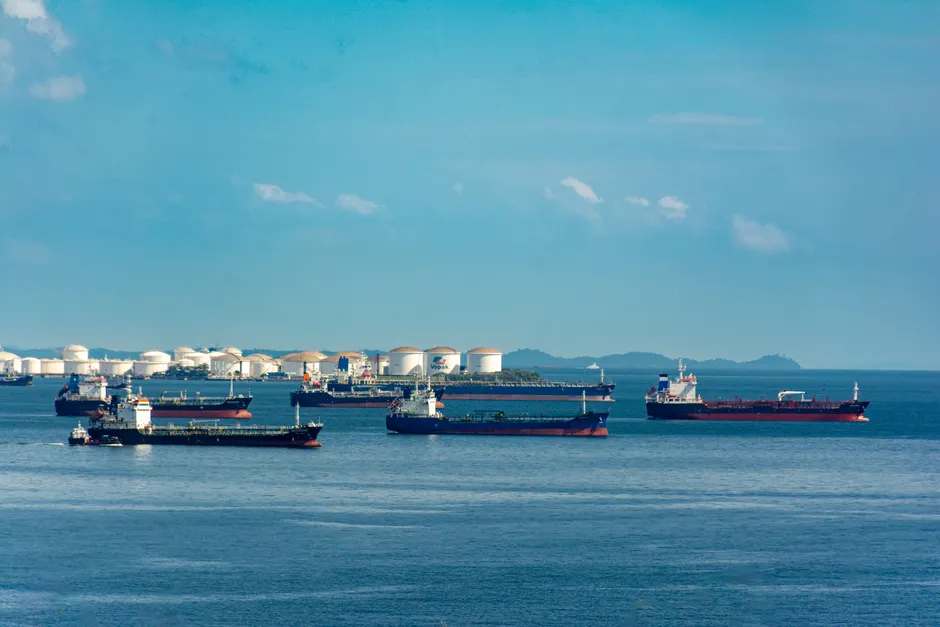
The Strait of Hormuz, a narrow waterway between Iran and Oman, handles roughly one-fifth of all oil shipped globally by sea France 24. The tanker attacks that prompted the U.S. action occurred there, though neither major news sources nor the Treasury Department have yet identified the vessels' origins, what they were carrying, or who struck them. Nonetheless, the waiver's revocation marks the latest move in a conflict now spanning more than a year.
That conflict began on the night of June 21-22, 2025, when U.S. Central Command struck three Iranian nuclear infrastructure sites. The most significant target was the Fordow Fuel Enrichment Plant, hit with GBU-57 bunker-busting bombs designed to penetrate hardened underground facilities — the first operational use of this weapon on such a target Defense Department. Secretary of Defense Pete Hegseth and Joint Chiefs Chairman Gen. Dan Caine outlined the operation's scope and execution the following day.
Instead of stopping there, the U.S. initiated a sustained air campaign called Operation Epic Fury. Over the following months, American forces conducted repeated strikes against Iranian military and nuclear targets. As of early March 2026, Hegseth characterized the campaign's objectives as narrowly focused — aimed, he said, at specific capabilities rather than at overthrowing the regime or occupying territory Defense Department.
The State Department's legal team provided the campaign's justification in April, framing it as a response to Iran's direct ballistic missile and drone attacks on Israel that same month, which caused no American deaths but injured U.S. service members at a targeted facility in late March State Department State Department.
Alongside the military campaign, Washington has pursued a financial squeeze. President Trump signed Executive Order 14382 on February 6, 2026, reaffirming the long-standing national emergency with respect to Iran and adding a new tool: tariffs tied to Iranian conduct, distinct from the traditional asset freezes and export controls in place since 1979 White House fact sheet. Subsequent months brought targeted sanctions on entities that provided satellite imagery enabling Iranian military operations (May), digital asset exchanges suspected of terror financing (June 2), and smuggling and money-laundering networks (June 5) State Department.
Tuesday's waiver revocation fits logically within this escalating sequence. The February order and spring sanctions targeted the apparatus Iran uses to evade restrictions — middlemen, shadow fleet operators, imagery vendors, cryptocurrency channels. The oil waiver revocation strikes at the core permission itself: the legal basis for any Iranian petroleum sales. The precise terms of the wind-down period under General License X1 remain unclear in public reporting, but they will determine how much disruption traders and importers face in the near term.
What makes the timing significant is the apparent pivot in strategy. Rather than progressively tightening the waiver's terms, Washington moved to revoke it entirely following the tanker strikes. This suggests the administration is treating attacks on shipping traffic as a crossing of a line — one that eliminates the legal mechanism for Iranian crude exports rather than squeezing it further.
The unanswered question is straightforward: Who struck those tankers? Until Iran, a proxy group, or another party is formally identified by Washington, the waiver revocation remains a response to an act of contested authorship. This pattern mirrors Cold War–era American policy in the Persian Gulf, where responsibility for maritime incidents was often unclear even as official countermeasures proceeded. How Iran or its partners respond to the loss of the waiver — and whether they escalate attacks in the Strait — will shape oil markets and shipping insurance rates in the months ahead.