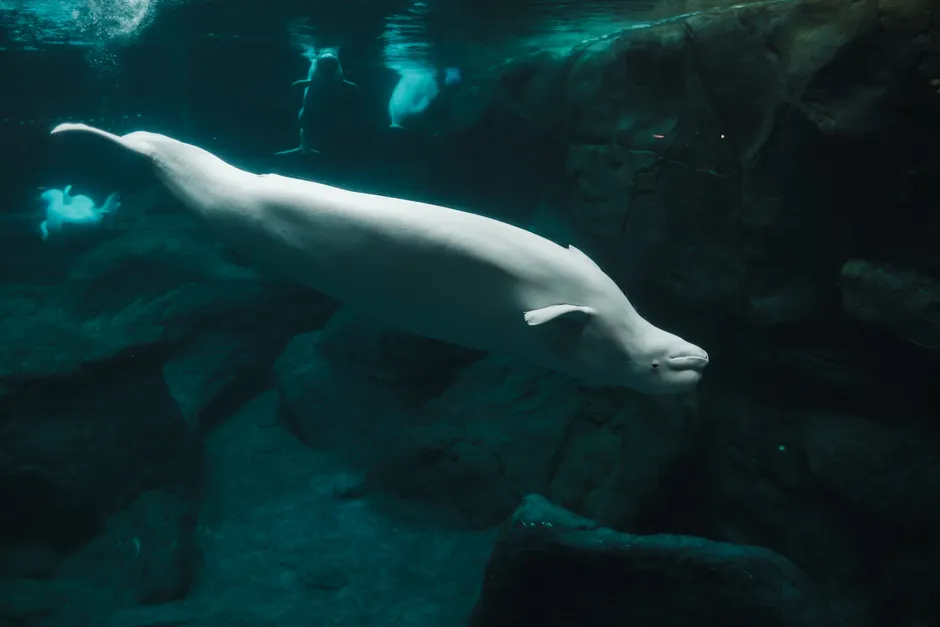
Third Rescued Beluga Dies at Shedd Aquarium

Osiris, a 26-year-old female beluga whale, died Monday at Chicago's Shedd Aquarium. Shedd reported the death on Sept. 23, 2026, identifying Osiris as the third beluga transferred from Canada's Marineland to die at the Chicago facility in just over a month. AP
Osiris was one of 30 belugas removed from the Marineland amusement park in Ontario, which closed to the public in 2024. She was among 10 animals from that group rehomed at Shedd, arriving in late July. Staff said she did not eat as consistently as the other animals after arrival, a pattern that complicated efforts to keep her fed and hydrated. On the morning of her death, keepers observed sudden changes in behavior and breathing. She was moved to a medical habitat. She died despite lifesaving efforts. The Guardian
Shedd marked her passing with a tribute titled "Remembering Osiris, a Rescued Beluga Whale," dated Sept. 23. The aquarium states that Peekachu, Rain and Osiris passed unexpectedly shortly after their arrival. Shedd Aquarium Peekachu and Rain, also rescued Marineland belugas, died at Shedd in late August and early September. Caspian, Peekachu, Rain and Secord had comprised the second group sent from Marineland to Chicago.
The mortality extends beyond Chicago. Jelly Bean, a 19-year-old male beluga from Marineland and one of two relocated to Oceanografic de Valencia in Spain, died suddenly and unexpectedly in the week before Sept. 23. That sequence led ABC7 Chicago to report questions emerging after a fourth beluga death following transfers from Canada, identifying Osiris as the latest whale to die. ABC7 Chicago
The transfers followed years of mortality at the Ontario park and a Canadian regulatory intervention. More than 20 whales and dolphins died at Marineland since 2019. Provincial data cited earlier in September put that toll at 19 belugas and one killer whale in the same period. Ottawa blocked the sale of Marineland's surviving animals to China, denying a request to export belugas to the Chimelong Ocean Kingdom aquarium. The Guardian
The broader context here is the structural difficulty of dispersing a large, closed facility's whale population across several aquariums on a short timeline. Translocation means many stresses at once: the transport itself, new social groups, new daily care routines and new germs in the water and air. Think of patients with long hospital histories moved to new hospitals at the same time. For animals with different ages and health on arrival, recovery can split in different directions even under the same veterinary care. That split is visible in Shedd's account of inconsistent eating in Osiris compared with her group mates.
In my view, the questions that will shape the next phase concern triage and transparency across jurisdictions. Triage here means decisions about which animals were fit to move and when. Receiving facilities in the United States and Spain now hold health histories that originated under Canadian provincial oversight, while the export denial to China narrowed placement options and concentrated responsibility among a smaller set of aquariums. Each additional post-transfer death increases pressure for detailed pathology disclosure, or lab findings on cause of death, for clarity on selection criteria for transport cohorts, and for coordination on long-term holding capacity. The Marineland dispersal was framed as rescue. Whether that framing holds will depend on survival outcomes for the remaining animals and on how fully institutions account for the losses.