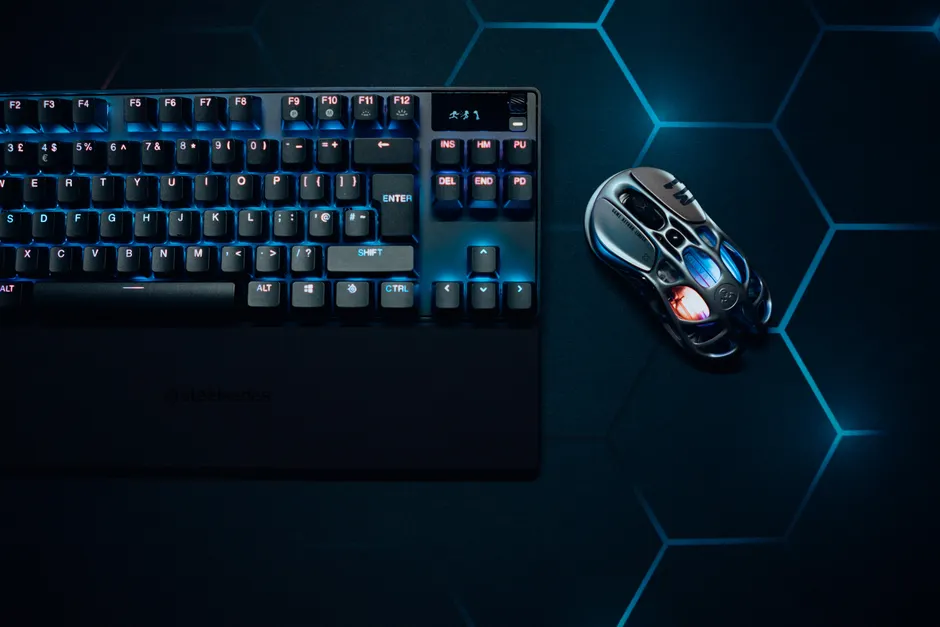
Logitech Pro X3 Superstrike Adds Wireless 8K and Longer Battery
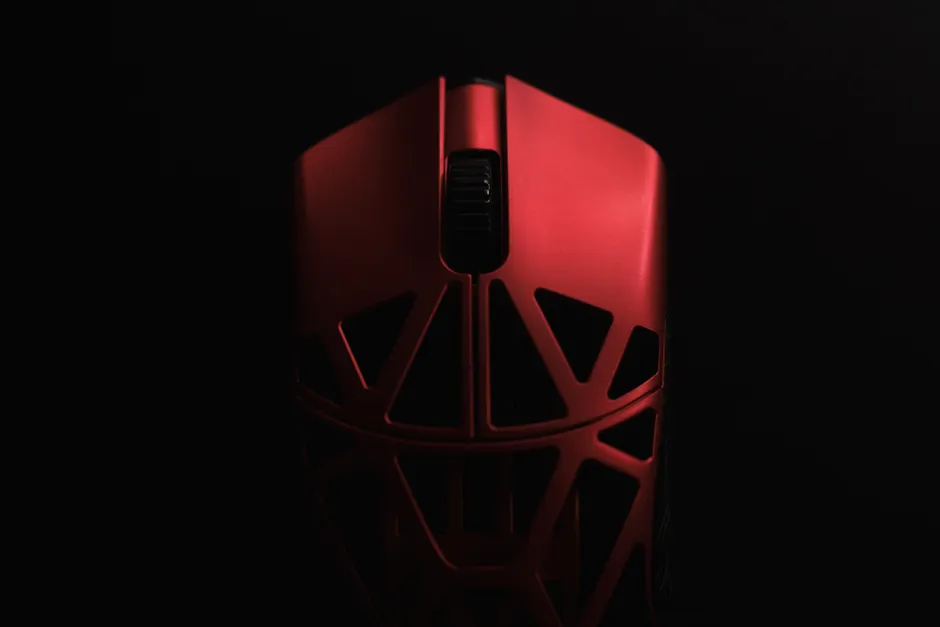
Logitech G will release the Pro X3 Superstrike on October 6 for $199.99 in pink and black, while the Pro X2 Superstrike will remain available at $179.99. The Verge
The Superstrike line replaces the mechanical switches under the two primary buttons with haptic actuators. These small components simulate the click with vibration. That lowers click delay and lets players tune the feel in software, from subtle to sharp, or turn it off. The design first appeared in the Pro X2 Superstrike in February.
The X3 keeps that input system unchanged and updates other areas. Logitech describes the Pro X2 Superstrike as the first mouse to offer a fully customizable click experience for tailoring the click to playstyle, built around its HITS haptic technology for rapid trigger and low latency in esports. Logitech G That tuning setup carries forward, including HITS Codes from 12 esports pros covering actuation point, Rapid Trigger (which resets the input as soon as you lift), haptics, DPI, polling rate and G HUB settings. Logitech G
The main functional change is polling, or how often the mouse reports its position to the PC. The X3 supports up to 8,000 Hz, or 8,000 reports per second, over wireless. The X2 could only reach 8,000 Hz over a USB-C cable. For competitive players with high-refresh displays and spare CPU capacity, wireless 8K removes a tradeoff between freedom of movement and report rate.
Battery life rises to up to 135 hours per charge, up from 90 hours for the X2. That is a 50 percent increase on paper while also running a higher wireless report rate, which points to more efficient radio and power management rather than a larger cell alone.
Weight and sensor show smaller changes. The X3 is two grams lighter than the X2 in the US version and is listed at 61 grams in the EMEA version. The X2 had a target weight of 65 grams. The X3 uses the Hero 2 sensor with up to 48K DPI, a measure of sensitivity, against 44K DPI in the X2, with 90G acceleration against 88G and a top speed of 930 IPS, or inches per second, against 888 IPS.
Pricing keeps the two models as a stack rather than a replacement. The X2 stays listed at $179.99 after a temporary drop to $129.99. The $20 gap makes the X2 the lower-cost entry to haptic clicks, while the X3 charges for wireless 8K, longer battery life and the higher sensor ceiling.
For players who already adopted Superstrike, the X3 is a refinement rather than a second rethink of input. The click system from February remains the platform. What changes is how much of its performance is available without a cable, and for how long per charge.
In my view, that is the pragmatic path for esports hardware. Once the switch is gone, gains come from removing the limits around polling, weight and battery that keep pros from trusting a new mechanism in tournament play. If wireless 8K holds stable in crowded radio environments, the X3 makes haptic actuation easier to use across practice and stage setups.