A Tornado Devastates Mount Vernon, Illinois: What Happened and What Comes Next

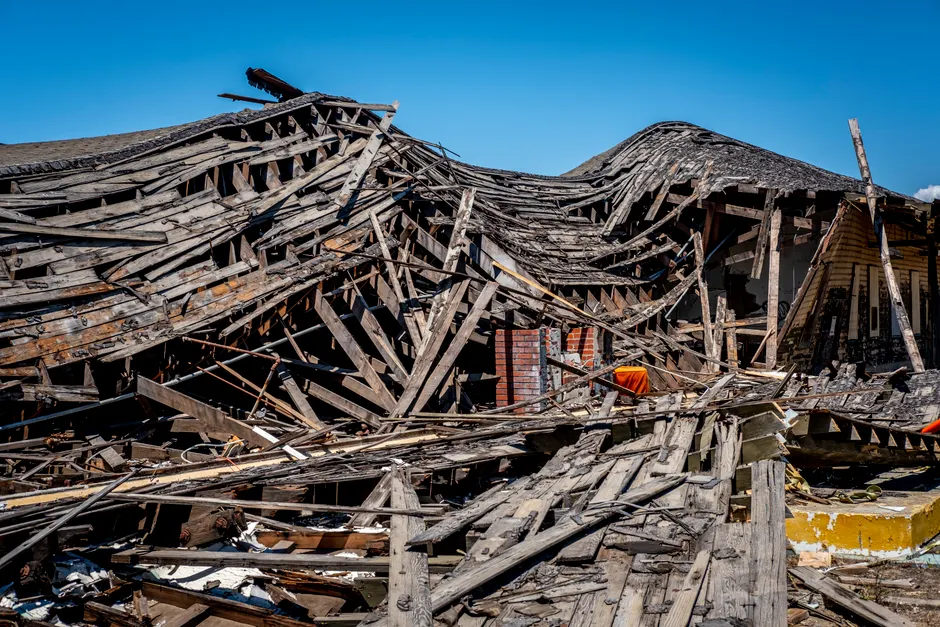
A tornado tore through Mount Vernon, Illinois, on June 11, 2026, killing at least two people and destroying or severely damaging 300 homes and 50 businesses. The storm was part of a larger outbreak that brought multiple strong tornadoes across Northern Illinois and Northwest Indiana that same day.
The two people killed were Delores Shelton, 83, and Sarita Kimble, 62, both Jefferson County residents. Southern Illinois Now released their names on June 22. Authorities had not announced any additional deaths by the time reports were filed.
The tornado struck the southeastern part of Mount Vernon — a city of about 15,000 that serves as the main commercial center for Jefferson County. According to National Weather Service records, the tornado stayed on the ground for roughly 20 miles. That's longer than the typical Illinois tornado, suggesting a particularly organized and sustained storm system rather than a brief touch-down. The damage path, concentrated in the southeast commercial corridors of the city, means rebuilding will be complicated. Residential and business recovery use different funding sources and move through separate permitting processes — so recovery timelines may stretch out further than they would if damage were mixed evenly throughout town.
The broader context here matters. The June 11 outbreak fit a pattern. When warm, moist air from the Gulf of Mexico pushes north and meets cold air aloft, it can trigger clusters of severe weather across the Midwest — and that's what happened across Northern Illinois and Northwest Indiana on this day. For affected communities, the next steps are urgent: determining which buildings can be repaired versus demolished, setting up temporary housing, and securing federal disaster declarations that allow FEMA assistance.
Mount Vernon's location in Southern Illinois carries weight in recovery planning. The region has a higher proportion of elderly residents and people living on fixed incomes compared to larger Illinois cities — a reality reflected in the victims' ages. Older homes in the area are often more vulnerable to tornado damage, and residents may be slower to shelter during warnings. Local emergency managers will coordinate with the Illinois Emergency Management Agency, and any request for major federal disaster aid will travel through the governor's office to FEMA's regional office in Chicago.
From an insurance perspective, 300 homes and 50 businesses in a mid-sized Midwest city represent a significant but not catastrophic loss for individual carriers. What matters more to the insurance industry is whether all the tornadoes across the two-state region on June 11 add up to a loss large enough to trigger reinsurance protection or catastrophe bonds — agreements that insurance companies use to protect themselves against huge, rare events. That picture will come into focus in the coming weeks as insurance companies finalize their damage estimates and compare them with official weather service surveys.
Two people — Delores Shelton and Sarita Kimble — died in this tornado. Their names will likely fade from news coverage soon. But the work of rebuilding homes, restoring businesses, and improving tornado preparedness will continue for months to come.