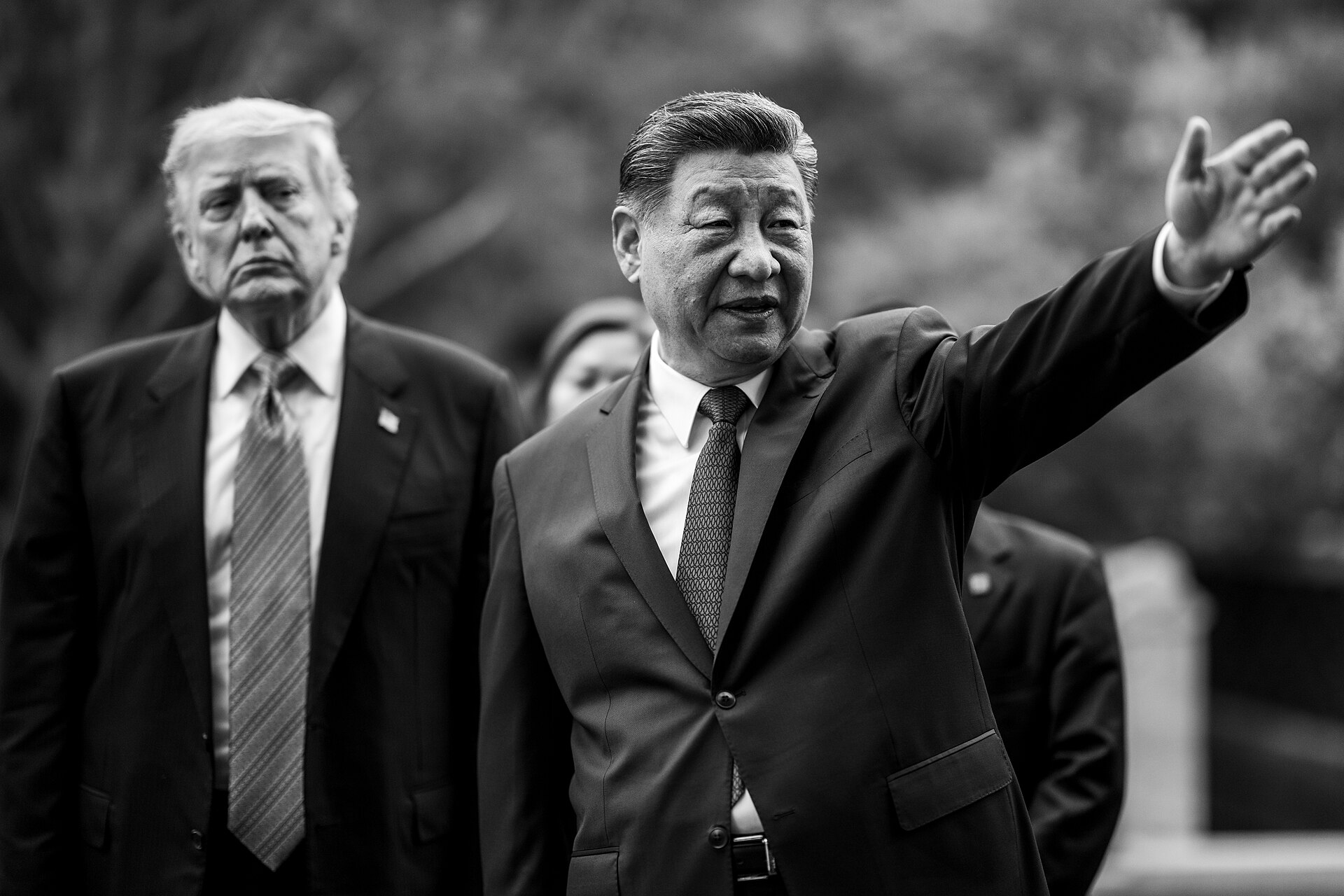
Xi's Washington State Visit: Schedule, Protocol and a Taiwan Agenda Gap

Chinese President Xi Jinping will visit the United States from September 23 to 25. The dates were announced by Beijing in a brief notice carried by the Chinese Foreign Ministry.
A second notice said the visit is at the invitation of President Donald J. Trump. In protocol terms, that wording names the host as the inviting party. It also describes the travel as a state visit, the most formal type of visit between two countries. The notice was carried by the Chinese Foreign Ministry.
Xi was due to meet Trump in Washington on September 24, 2026, as reported by Reuters. The calendar is tight.
People familiar with summit plans said Xi was likely to forcefully raise Beijing's claim to Taiwan, a topic Washington would prefer to avoid. That account was reported by Reuters on September 23. One side plans to press a claim of sovereignty, or authority over Taiwan. The other side prefers to keep the topic off the table.
Trump said Xi pressed him on U.S. arms sales to Taiwan during a May visit. That earlier exchange was reported by Reuters. It identifies weapons sales as the specific issue raised at that time.
The broader context here is how state visits structure disagreement. The invitation and the formal title create expectations of courtesy and possible announcements. They do not settle deep differences. Like a court schedule with fixed procedures, they create a contained space to test whether leaders can manage differences in person.
In my view, the Taiwan signals deserve close attention because both positions were shared in advance. Raising a claim forcefully is a way to shape the agenda. Trying to avoid a topic is also a way to shape the agenda. When both moves are known before the talks, the meeting becomes a negotiation over what can be discussed, not only over what can be agreed. That procedural struggle often sets the tone of the public result.
Looking at what this means for the Washington session, the May reference will shape how observers read September. If arms sales return to the table, attention will focus on exact wording, meeting place, and whether the issue appears in any joint materials. Even without new promises, placement matters. A claim raised forcefully during a state visit carries different weight than the same words in a routine exchange. Avoidance also affects follow-up channels.