Xi's Washington Visit: Schedule, Signals and What's at Stake
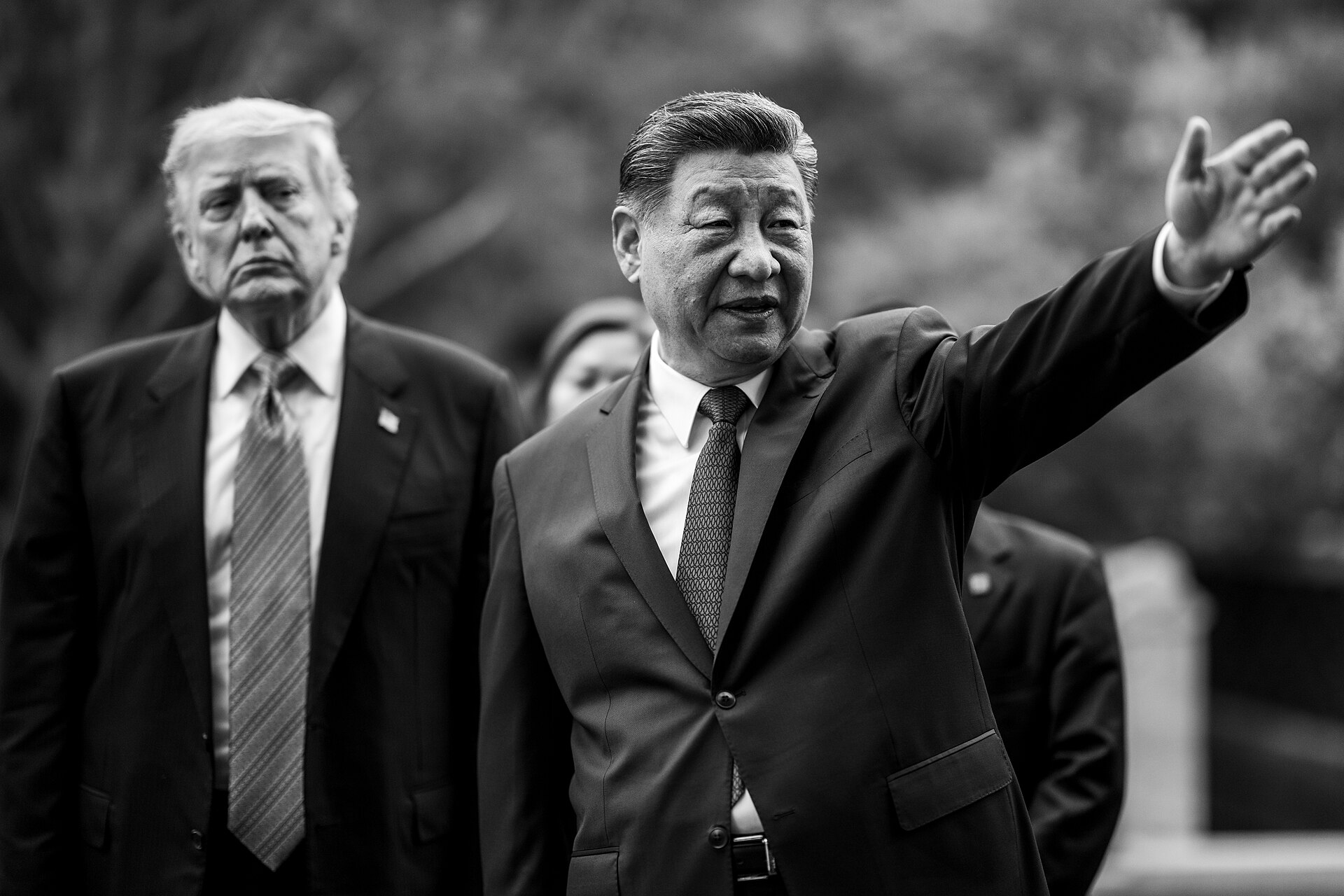
Chinese President Xi Jinping will visit the United States from September 23 to 25, 2026, at the invitation of U.S. President Donald Trump. Trump will host Xi in Washington this week, according to the most recent accounts of the schedule. Reuters BBC
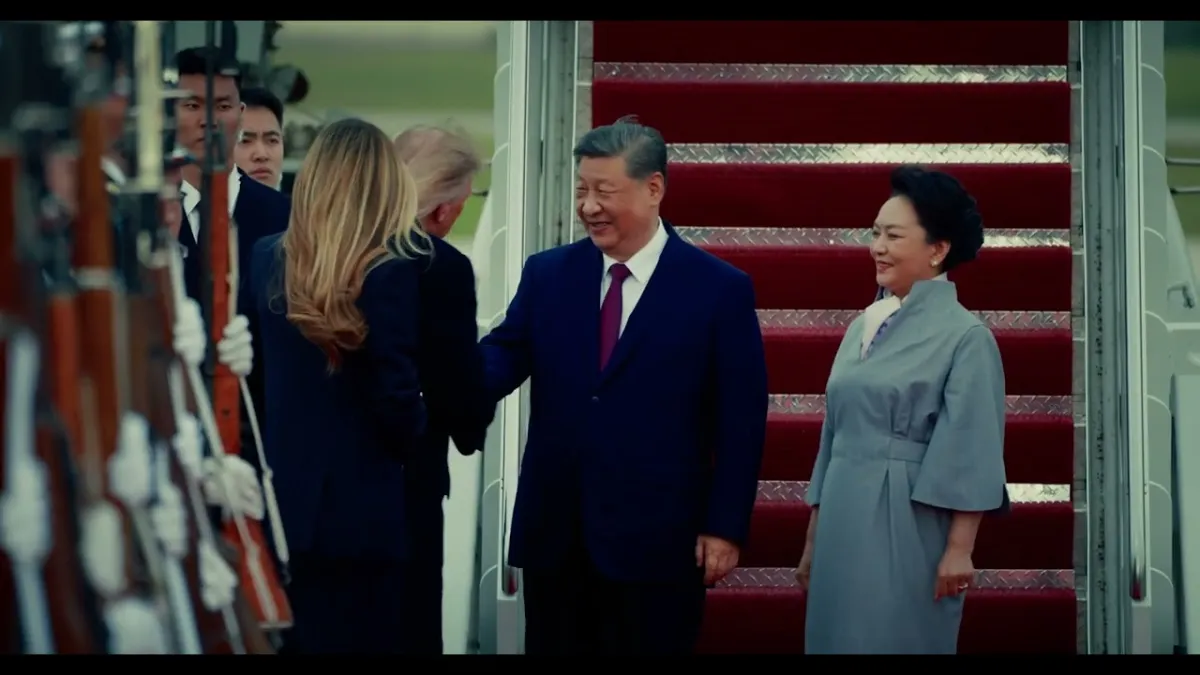
Xi is due to arrive on Wednesday. Trump plans to meet him at Joint Base Andrews, the military airfield near Washington used for official arrivals. Washington-area officials confirmed that detail. Reuters Reuters
Trump and First Lady Melania Trump will receive Xi at the White House on Thursday, September 24. Madame Peng Liyuan will accompany Xi, so the White House event will be both a bilateral meeting, direct talks between the two governments, and a leaders-and-spouses occasion. White House
The leaders' summit is expected on September 24, the second Trump-Xi meeting this year. The White House said in May that Trump would welcome Xi to Washington this fall, so this week follows through on that earlier commitment. CSIS Reuters White House
On the economic side, the two countries have agreed to a mutual tariff reduction covering $30 billion in goods. A tariff is a tax charged at the border, so a mutual cut lowers costs on both sides. That agreement will form part of the backdrop for the talks. Reuters
The broader context here is procedure as diplomacy. A fixed-date state visit, a formal multi-day visit with full honors, plus an Andrews greeting and paired spouses are part of the formal language Washington and Beijing use to set the tone before difficult issues are discussed. The schedule is tight. Three days leave little time for long staff work, which puts more weight on the September 24 leaders' meeting and on what agencies are asked to do next.
In my view, the order of events is worth reading closely. An arrival honor at a military airfield, followed by a White House welcome the next day, creates two separate pictures: equal treatment on arrival, then formal negotiation at the president's residence and office. Including Peng Liyuan alongside Melania Trump adds a parallel channel often used for cultural and social signals when the policy list is tough. None of this decides the outcome, but it shapes how each side can explain firmness or compromise at home.
Looking at what this means for the U.S.-China relationship, the test will be durability and follow-through. A second meeting in one year suggests both capitals value direct contact between leaders instead of leaving management to lower-level officials alone. The $30 billion tariff cut gives negotiators a starting point, but trade specialists will look at product coverage, timelines, enforcement terms, and whether more rounds follow. For now, Washington has set the choreography. The results will be judged by what is signed, published, and then actually put into practice.