Meta to Bring Muse AI Agent to Smart Glasses
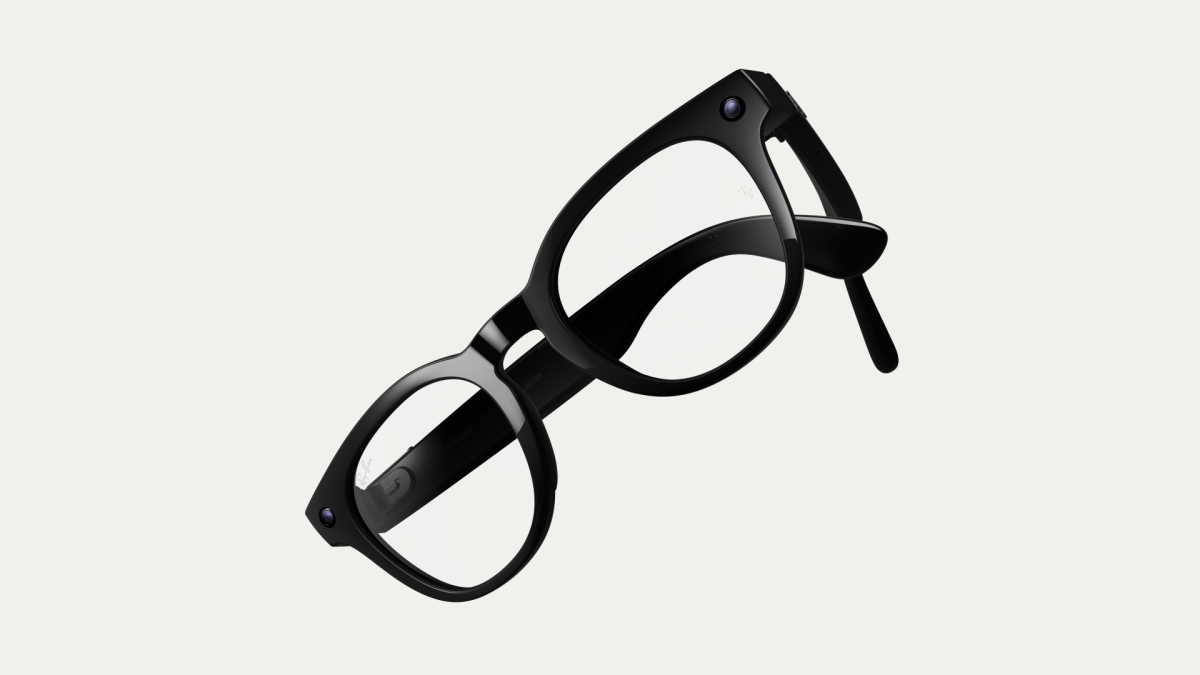
Meta is bringing Muse, its personal AI agent, to smart glasses, including new models shown at Meta Connect. The company described the plan on September 23, as Connect 2026 began. The Verge
Connect runs September 23-24. Meta says the event centers on new work in AI, smart glasses and expanded reality, a term for technology that blends digital images with the real world.
Users will start the glasses version by saying its name.
The early features cover three daily tasks. Muse will coach a workout. It will record meals. It will help shoppers buy an item they are looking at.
Meta describes Muse as a "secure, private personal AI agent that proactively helps people meet goals and suggests ideas" Meta. Running underneath is Muse Spark, which Meta calls its most powerful AI model so far. The same system powers a smarter and faster Meta AI assistant now coming to WhatsApp, Instagram, Facebook and Messenger. Meta
Meta developed Meta Glasses with EssilorLuxottica, and they shipped in the United States and Canada with Meta AI powered by Muse Spark included from the start. Meta Meta also introduced Ray-Ban Meta glasses made for people who need prescription lenses and wear glasses all day. Meta
The broader context here is input and context. A phone assistant usually waits for a typed question. A glasses assistant responds to voice and already shares context, such as a workout in progress, a meal just eaten or an object in view. That keeps hands free and removes a step. Coaching can continue without pausing exercise, a meal can be recorded on the spot, and a product in view can be identified without taking a photo or typing a description.
In my view, the real test will be restraint, not ability. A helpful nudge can feel intrusive when the device is worn all day. I saw this with my own children, who picked up voice controls at once and dropped them just as quickly when prompts became pushy. Meta promises both privacy and proactive suggestions, and getting that balance right will decide a lot. If it succeeds, glasses become a natural place for support with goals rather than waiting inside a messaging app. That is a quieter goal than replacing the phone, and over time, a more helpful one.