Meta Puts Muse at the Center of Glasses, Messaging and AI
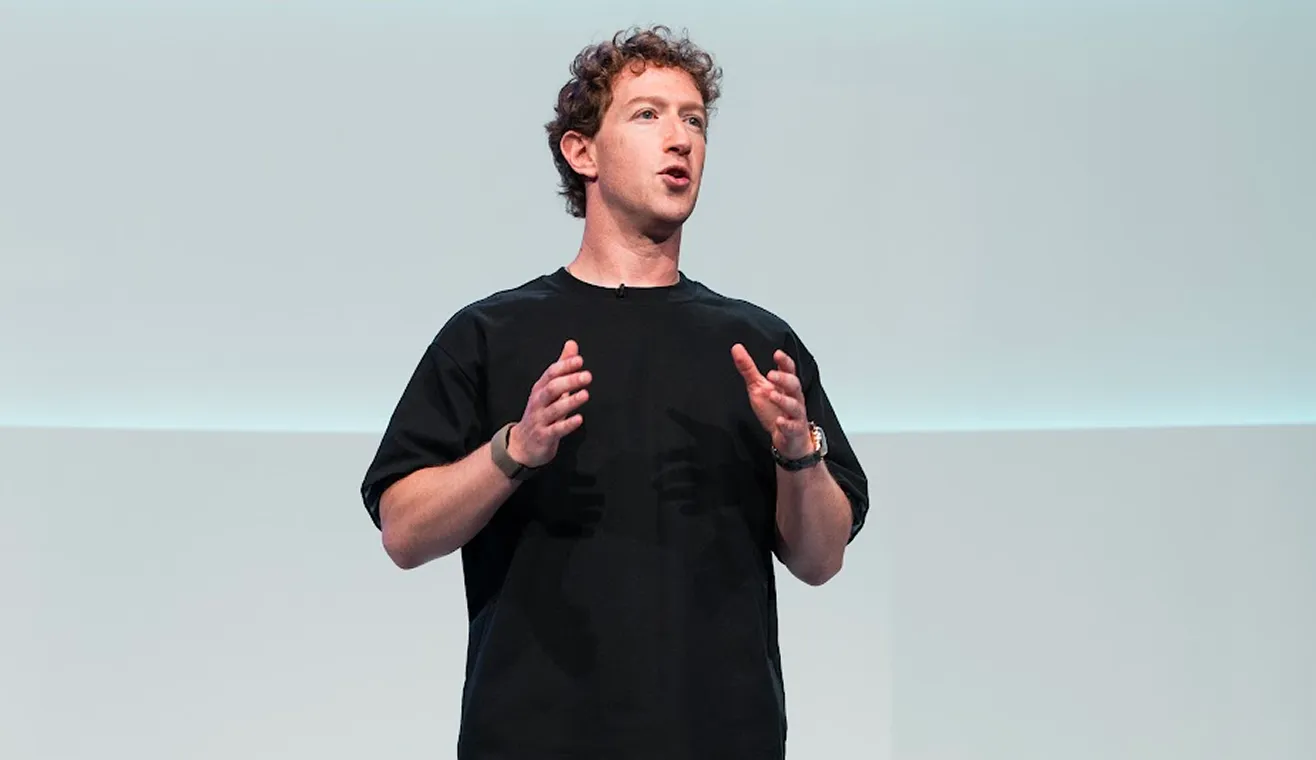
Mark Zuckerberg opened Meta Connect 2026 in Menlo Park on September 23 with a keynote devoted to Muse, the company's personal AI agent. Meta is going all-in on Muse as the interface for its AI, glasses and messaging platforms. TechCrunch
Muse launched in early September. It works across devices and accounts, and connects to email, calendars and Instagram to handle everyday tasks. Meta describes it as a secure, private personal AI agent that works proactively to help people meet goals and suggest ideas. It is billed as 'The World's First Personal AI Agent Built for Everyone'. Inside the company it was known as Hatch. Zuckerberg has placed it at the center of Meta's plan for "personal superintelligence". Reuters
Underneath is Muse Spark, Meta's multimodal model built for agentic work. Multimodal means it can take in more than text, such as images. Agentic means it can carry out multi-step tasks. Meta calls Muse Spark its most powerful model yet. Version 1.1 can make plans, connect to email and calendar apps, create slides and act on a user's behalf. It can handle a context window of 1 million tokens, which is a very large working memory for current and past material, and it can remember actions and retrieve much earlier work. The same model family powers the Meta AI assistant in WhatsApp, Instagram, Facebook and Messenger. Meta
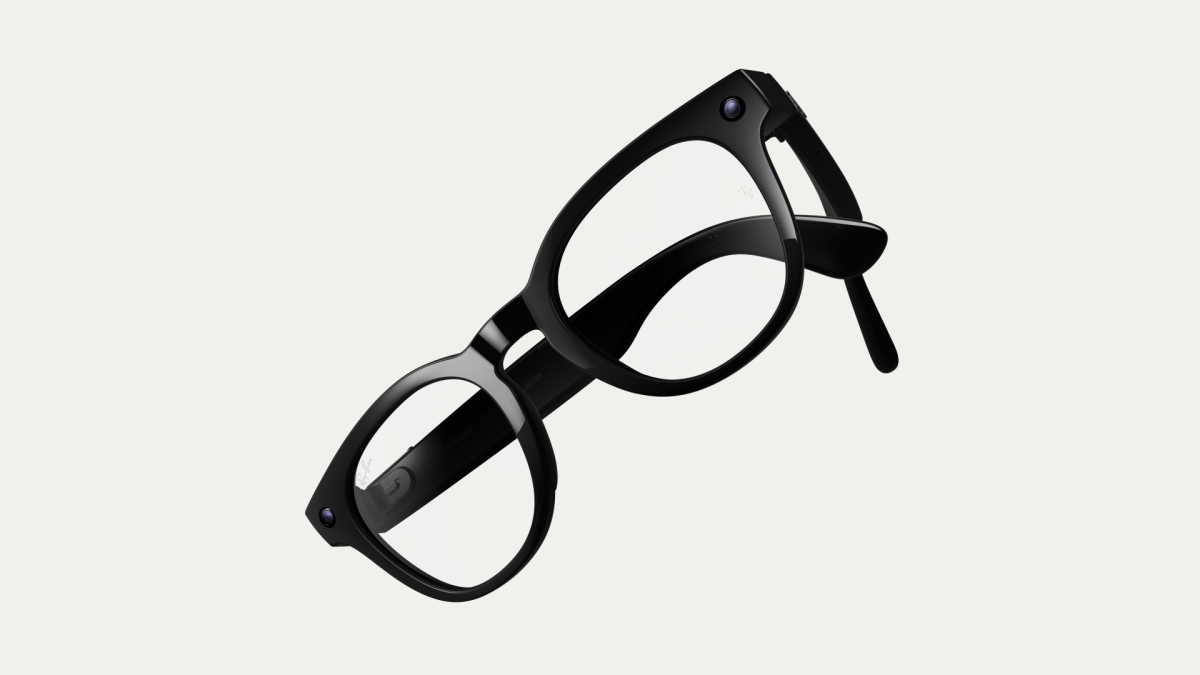
Connect focused on where Muse goes next. Glasses are central. Meta announced Muse will be integrated with its smart glasses line, including Meta AI glasses. It is activated by wake word. Meta said it can guide a personalized workout, log meals, book an appointment and help buy products users see. The company said the integration should launch in the coming months. The agenda also included sessions encouraging developers to build tools for the AI glasses.
The pitch is persistence. Meta says Muse works with apps and builds its own tools. It can send emails and make payments in other apps. At Connect, Meta extended that computer work to Mac on the desktop. It also introduced Muse Realtime Avatar, which lets users create a distinct digital avatar for the agent and video chat with it in real time.
Zuckerberg said the physical avatar for the Muse agent is named Jolly. He also presented the Muse Charm during the event at headquarters in Menlo Park, California, on September 23, 2026.
On business model, Zuckerberg said Meta is making Muse free for a huge number of tokens and expects over time to profit by taking a small fee from transactions. That sits alongside the Meta One subscription service announced September 15, 2026, though the verified material did not detail how the two pricing structures interact.
On safety, Zuckerberg has said liability and competition give AI labs enough incentive to build AI safely, and said Meta delayed the release of its Muse AI agent.
The broader context here is practical for people who build and buy software. Long context, memory of actions and direct tool use shift the assistant from answering prompts to finishing multi-step work across inboxes, calendars and commerce. Glasses offer a hands-free surface. WhatsApp, Instagram, Facebook and Messenger offer established identity and messaging networks. Fees on completed tasks fit that pattern better than seat licenses.
In my view, the hard problems are not model scale. They are permissioning, auditability and failure handling. An agent that can email, pay and purchase on sight needs narrow scopes, reversible actions and clear logs. Users will tolerate a missed summary. They will not tolerate a wrong payment. If Meta gets those trust basics right, and keeps the token allowance long enough for habits to form, glasses plus an agent could become a daily utility. That would give many people more time for other work.