Markets May Be Pricing Too Many Fed Hikes, Kaplan Warns
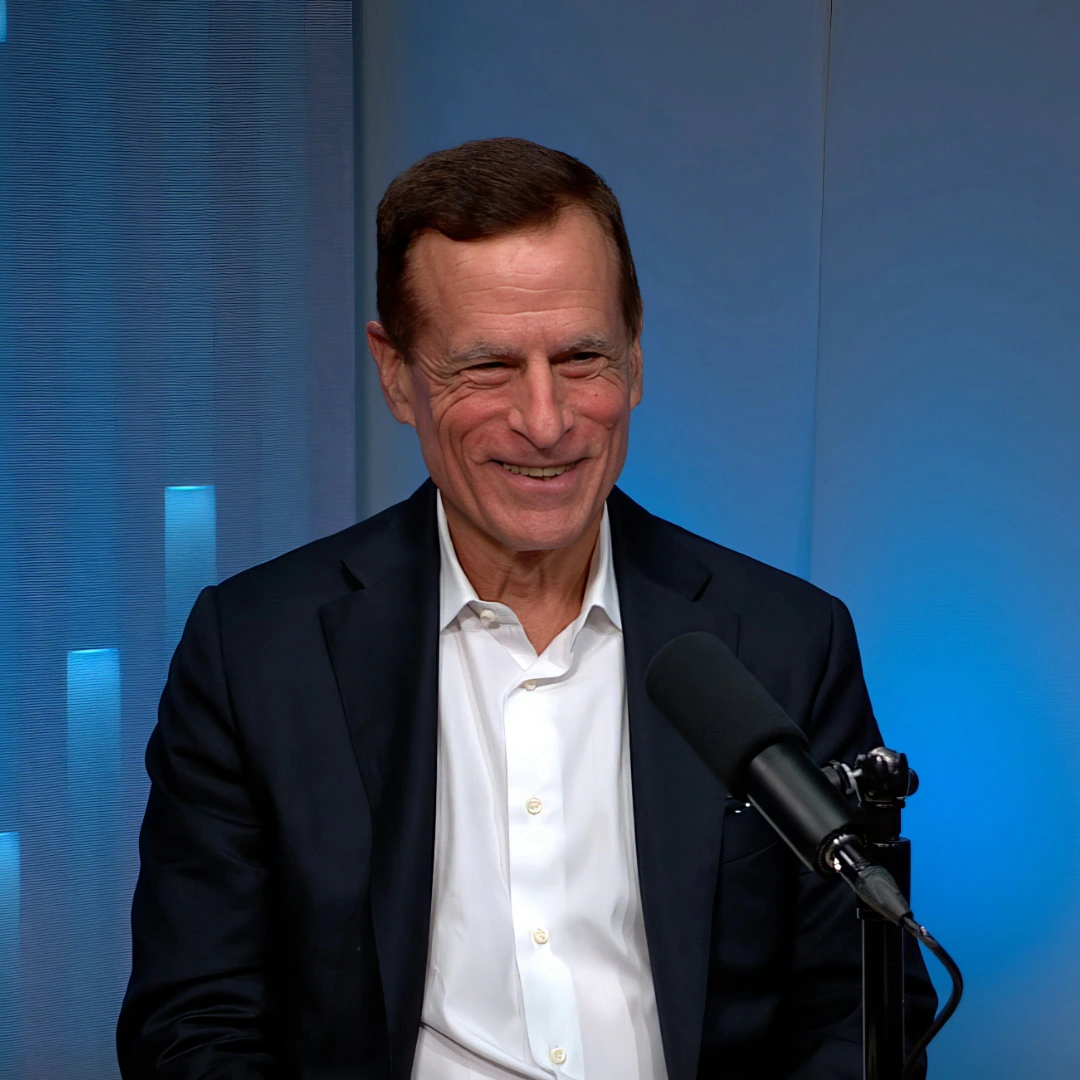
Markets may be pricing in too many Federal Reserve rate hikes, says Rob Kaplan. That matters because the Fed's benchmark helps set what borrowers pay and what savers earn.
Kaplan is Goldman Sachs vice chairman and former Dallas Fed president. He spoke in an interview published Sept. 24 by Goldman Sachs. Goldman Sachs It came just after the Fed's September tightening, as the forward curve, the market map for future rates, was left to sort out how much more is coming.
The Fed lifted its benchmark to a 3.75%-4.00% range in September 2026. Reuters The move was 25 basis points, or a quarter point, was largely priced in, and was the first under Warsh. Reuters Reuters
Projections around that meeting showed the policy rate at 4.00%-4.25% by the end of 2026. That implies only limited extra tightening from September on the median path, the middle policymaker forecast, for this year. Ahead of the meeting, policymakers had been expected to lift the benchmark by a quarter point and signal more tightening ahead.
Kaplan's caution now contrasts with his stance earlier in the summer. In June, he said the Fed may need to raise as soon as September if inflation, a broad rise in prices, stays elevated. Bloomberg September delivered that hike. Separately, Kaplan said the Fed was right to hold in July, which fits the hold-then-hike sequence.
Markets saw a one-in-three chance of a July hike. MarketWatch Dallas Fed President Lorie Logan became the first Fed official to publicly back higher rates in the week covered by MarketWatch on July 18. MarketWatch Minutes from the July meeting, published in August, showed many policymakers worried about persistently elevated inflation. MarketWatch
Similar warnings came before from Dallas Fed officials. Logan said in February 2023 the most important risk is tightening too little. MarketWatch Former Dallas Fed President Fisher had argued for more hikes in coming months back in December 2018. MarketWatch The bank has often held the Committee's hawkish pole, the wing favoring higher rates to fight inflation, and Kaplan once held that seat before joining Goldman.
The broader context here is a familiar distribution problem. September settled near-term direction. Kaplan's question is about the tail. If the median points to 4.00%-4.25% by year-end, market pricing for a longer run of quarter-point moves bets either on more persistent inflation than the median policymaker expects or on less tolerance for overshoot under new leadership.
In my view, the friction is as much about communication as economics. A first hike under a new chair sends a strong signal. Traders scan the statement, the dots, and the press conference for clues on the reaction function, and they price continuity until told otherwise. Kaplan's pushback is a reminder that priced terminal rates, where markets see the peak, embed inertia the Committee has not promised.
Looking at what this means for positioning, the gap between market-implied terminal and the published year-end range is the variable to watch. If inflation data soften, that gap should close at the front end, not through the long end. If inflation stays elevated, the Fed has shown it will move, as in September, but each hike past the projected range needs fresh justification. For duration, funding, and bank margins, one more hike versus two or three is material. Kaplan argues not to assume the cycle runs on its own.