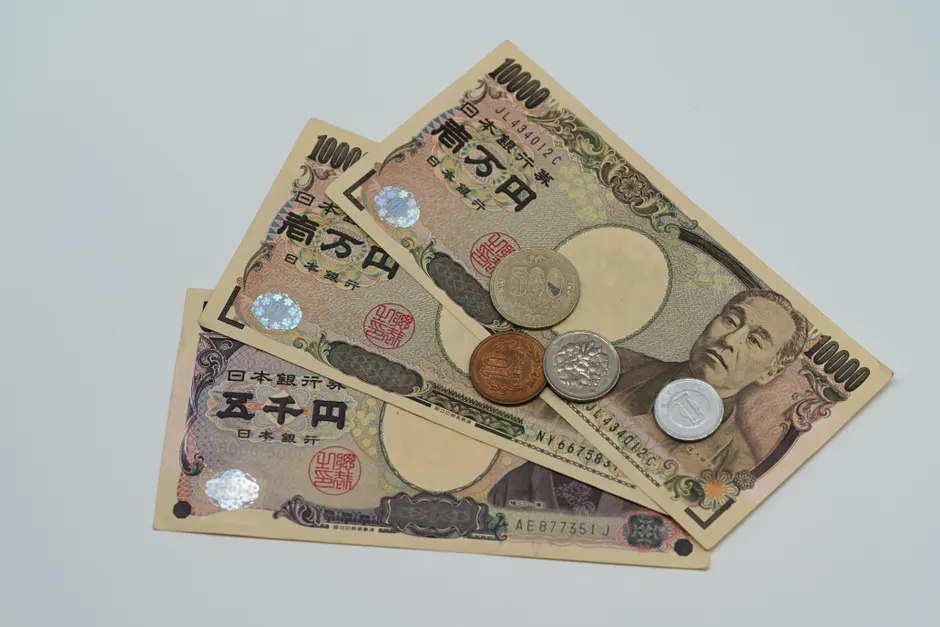
Japan's Warning Shot on the Yen: What Currency Markets Need to Know

Japan's Chief Cabinet Secretary Minoru Kihara stated on June 18 that the government is prepared to intervene in currency markets "at any time" in response to yen movements, according to Reuters.
This language follows a familiar escalation pattern that officials in Tokyo use to signal currency concerns. Japan's Ministry of Finance and central bank have a well-established playbook: they start by saying they are "monitoring closely," then warn that "excessive volatility is undesirable," and finally — as Kihara did — shift to readiness to act. His phrasing stops short of announcing intervention but leaves no doubt about intent.
The context is months of sustained downward pressure on the yen that Japanese officials have repeatedly flagged. Bloomberg reported back in November 2025 that Kihara was already describing yen moves as "sudden" and "one-way" — language that traditionally precedes formal warnings from Japan's Ministry of Finance and central bank. The same framing appeared again in June with an added commitment to act, suggesting the pressure has not eased.
Rapid, one-directional weakening of the yen is precisely what has triggered Japanese intervention in the past. The 2022 operations — the first yen-buying interventions since 1998 — were set off by sharp moves in USD/JPY through key round-number levels. While the Ministry of Finance does not publish an explicit target, market participants treat accelerating moves through psychological barriers as the practical trigger point. Kihara's statement does not cite a specific level, but it signals that how fast the yen moves matters as much as where it moves to.
For debt markets, this statement arrives as the Bank of Japan is trying to navigate a delicate position: gradually raising interest rates from their ultra-low floor without destabilizing domestic bondholders and companies that bet on rates staying low for years. A sharply weaker yen complicates that task by raising import costs for energy and food, which pushes inflation higher and puts political pressure on household purchasing power. This in turn puts pressure on both the central bank and the government to act. Kihara's comments therefore carry weight on both fronts — currency and monetary policy are intertwined here.
Understanding Japan's intervention toolkit matters. The Ministry of Finance executes foreign exchange intervention directly, with the Bank of Japan acting as its agent in the market. The MOF draws on the Foreign Exchange Fund Special Account — Japan holds roughly $1.2 trillion in official foreign exchange reserves, the world's largest stash — to sell dollars and buy yen. The 2022 interventions deployed tens of billions of dollars across multiple operations, enough to interrupt a trend even if it cannot reverse a move driven by a structural gap in interest rates.
That interest rate gap is the fundamental problem. As long as U.S. rates stay materially higher than Japanese rates, traders have an incentive to keep betting against the yen — borrowing in yen at low rates to invest elsewhere at higher returns. Jawboning and even direct market operations can slow or pause such moves; they cannot close the rate gap itself. Both the Ministry of Finance and the market understand this. What official statements do accomplish is change the risk calculation for momentum traders — making it costlier to hold a large short-yen bet when the probability of a sudden government-engineered reversal is real.
Whether Kihara's statement leads to actual intervention depends on what happens to USD/JPY next. The statement is necessary but not sufficient — it sets expectations. What matters now is whether the yen stabilizes on the warning alone, or whether selling continues and forces Tokyo's hand. For traders, the signal is clear: the official risk of intervention is live, and the government has drawn a line in the sand.