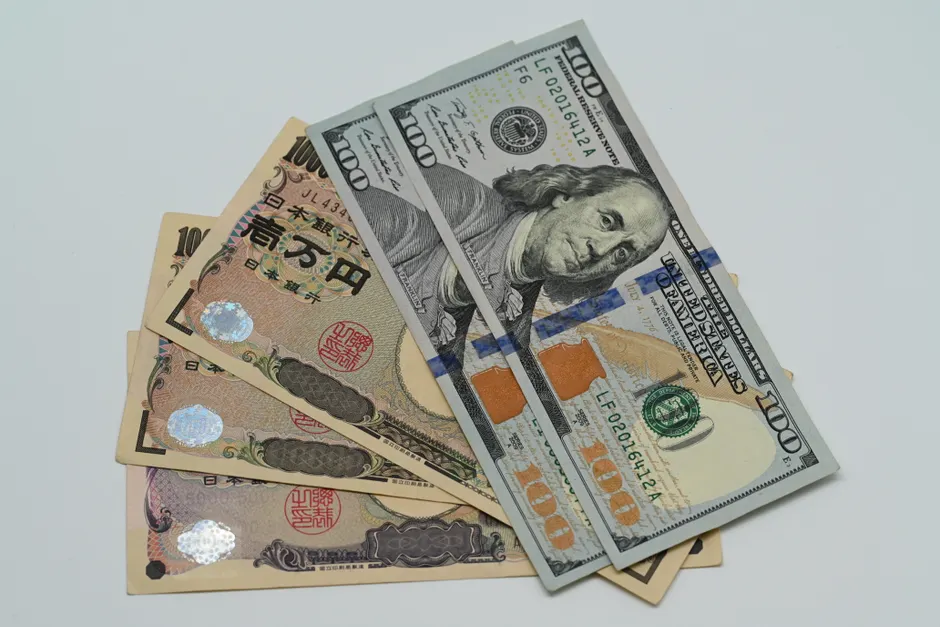
The U.S. and Japan Just Joined Forces to Prop Up the Yen — Here's Why It Matters
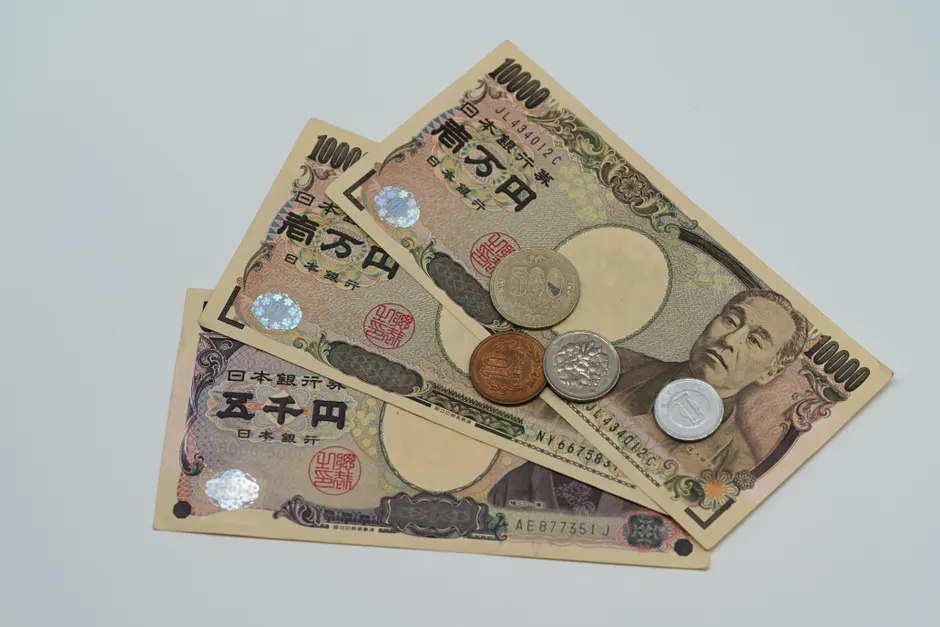
In early August 2026, the United States and Japan conducted a joint currency intervention to support the yen — an unprecedented level of coordination that could change how global currency markets behave going forward CNBC. The move followed a large yen-buying operation by Japan reported by the Nikkei newspaper on July 30, 2026, carried out ahead of a Bank of Japan policy meeting Reuters.
Currency intervention happens when a government or central bank buys or sells its own currency to push the exchange rate in a desired direction. In this case, Japan bought yen (selling dollars in the process) to strengthen a currency that had been sliding. What makes this episode unusual is that the U.S. Treasury joined in — Washington has historically preferred to let markets set exchange rates on their own.
The signaling from Tokyo has been striking. A former Bank of Japan official said in early August that Japan and the United States would "certainly" conduct joint intervention again if the yen shows signs of resuming its downtrend Reuters. Central banks and finance ministries almost never confirm past interventions, let alone pledge future ones. A former official publicly framing joint intervention as a standing tool — not a one-time event — changes how traders assess the risk of betting against the yen.
The timeline is not perfectly clean, though. Reuters reported on August 4, 2026 that Bank of Japan data suggested Japan may not have intervened that Monday despite the yen's surge Reuters. That leaves some ambiguity about whether the joint intervention was a single coordinated event or a series of actions across multiple trading sessions, and whether some of the yen's early-August strength came from private traders repositioning rather than official buying.
The broader 2026 arc for Japanese markets has been volatile. On January 20, Japanese government bonds (JGBs) plunged, pushing yields — the interest rates those bonds pay — to record highs, while Tokyo stocks and the yen also fell after an announcement by the Prime Minister Reuters. That JGB selloff spilled into global markets, pushing long-dated U.S. Treasury yields to their biggest two-day rise since May 2025 Reuters. The dollar had already been weakening against the yen by late January, having slid sharply earlier that week AP News.
Japanese stocks have swung wildly across this period. The Nikkei 225, Japan's benchmark stock index, experienced extreme moves including a 12.4% plunge followed by a near-11% rebound of more than 3,300 points — a pattern echoing the volatility seen in August 2024 AP News. Following a landslide U.S. election victory, the Nikkei rose 3.9% to a record on February 9, 2026 AP News. Prime Minister Sanae Takaichi was reappointed by parliament after her ruling Liberal party's landslide win, with the Nikkei rising 1% on that news AP News. As of August 13, the Nikkei 225 advanced 1.6% to 68,601.21 AP News.
Whether turmoil in Japanese markets transmits to U.S. markets is a central question. Back on June 25, 2026, Asian stock moves showed little spillover: South Korea rose 5% and Japan 4.5%, while the Nasdaq fell 0.5% and the Dow rose 0.1% Reuters. Whether that decoupling holds under the current intervention regime is an open question.
The broader context here is that joint U.S.-Japan currency intervention is not a standard tool. Unilateral yen intervention by Tokyo has historically drawn skepticism from Washington, which has generally preferred market-determined exchange rates. The shift to coordinated action signals that both governments now view yen weakness as a shared concern — likely reflecting trade-sensitive political dynamics and the risk that stress in Japan's bond market could spill into global bond markets. The January episode showed that a JGB selloff can push U.S. Treasury yields higher within 48 hours, which means yen intervention is not purely a Japan story; it is a story about borrowing costs worldwide.
For currency traders, the key question is whether the joint intervention establishes a credible floor under the yen. The former BOJ official's use of "certainly" is notably strong language for a central bank veteran, and it effectively puts traders on notice that renewed yen weakness will be met with coordinated force. Whether that deterrent holds depends on the size of any future gap between U.S. and Japanese interest rates, and on whether Japanese authorities can keep their domestic policy coherent amid the yield pressure that surfaced in January.