The Senate Hearing on Flock and License-Plate Cameras, Explained

The Senate Judiciary crime and counterterrorism subcommittee met on September 23, 2026, to examine what it titled "Always Watching: Flock's Nationwide AI Surveillance Network" Senate Judiciary Committee. The session was chaired by Sen. Josh Hawley, R-Mo.
No vendor chief executives testified. Flock's chief executive declined to appear, and the chief executives of Axon, Motorola Solutions and Verkada also declined, according to Hawley The Verge.
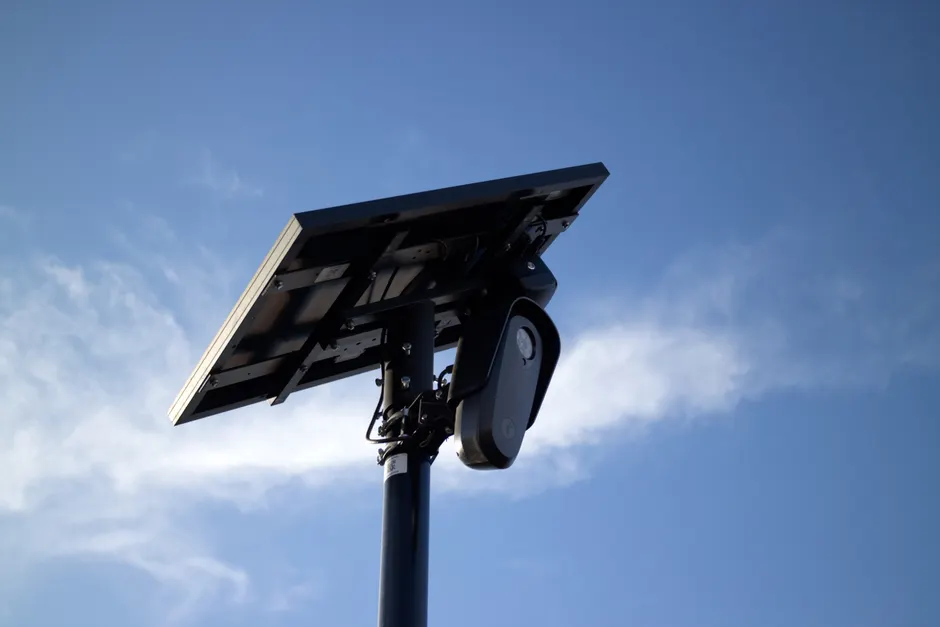
The hearing was scheduled for 2:30 p.m. in Dirksen Senate Office Building Room 562. C-SPAN listed live coverage of testimony on the Flock AI surveillance network at 11:30 a.m. PDT on September 23, 2026 C-SPAN. The proceeding was described in advance as a bipartisan hearing covering Flock and other automatic license plate readers ACLU. ALPR cameras photograph plates and log the time and location of each sighting.
Witness testimony covered accuracy, oversight and access control. Lindsey Isaacs, a Florida woman, testified that she spent 13 days in jail after Flock cameras incorrectly linked her car to a crime scene Senate Judiciary Committee. Her account described a false association between a plate read and an investigation, followed by detention. One bad match moved quickly into enforcement.
A sheriff testified that his department had ended its Flock contract after allegedly receiving evasive answers about its AI use. Cybersecurity engineer Benn Jordan testified that he was able to access Flock's stored images with minimal technical maneuvering. An ACLU privacy expert was scheduled to testify on Flock and other automatic license plate readers, with the issue framed as extending beyond a single vendor to the ALPR category as a whole.
Verkada, one of the companies whose chief executive did not attend, responded through spokesperson Virginia Ramsey. Ramsey said Verkada had provided information to the subcommittee to assist in preparation even though its CEO could not attend. She said no national Verkada network exists and customers can only access data in their own systems.
The statements describe two different system designs. One is a federated or multi-tenant model, where authorized agencies can search across many deployments, much like approved users searching a shared library catalog. The other is a strictly tenant-isolated model, where each customer sees only data from its own sensors. The hearing record contains competing descriptions of how widely ALPR data can be searched and shared, and that technical difference was central to the questioning.
The hearing covered three separate technical issues. The first is match confidence and human review. ALPR systems combine optical character recognition, which reads letters and numbers from images, with vehicle details and search ranking. Errors can spread fast when a lead becomes the basis for action without independent checks. The second is access enforcement. Centralized storage of images, plate reads and metadata involves authentication, authorization, audit logging and retention controls. The third is procurement transparency. The discussion covered documentation on what models are running, what data is used for training or tuning, what is logged, and how long records persist.
In my view, those problems can be addressed without dropping the capability. Camera networks can reduce manual canvassing and help clear cases that would otherwise stall for lack of witnesses. My kids grew up as location sharing, cloud photos and doorbell cameras moved from novelty to default. Each shift followed the same pattern. Utility drove adoption first, and expectations about consent and control caught up later.
The broader context for readers who build or buy these systems is that the technical record is incomplete without vendor leadership. Testimony about jail time, contract cancellation and image access will shape legislative proposals and procurement checklists. Detailed answers on system architecture, testing methods and security boundaries would give policymakers and practitioners a firmer basis for deciding where ALPR plus AI search fits and what safeguards should apply.