Trump Hosts Xi at the White House to Talk Security, AI and Avoiding Conflict
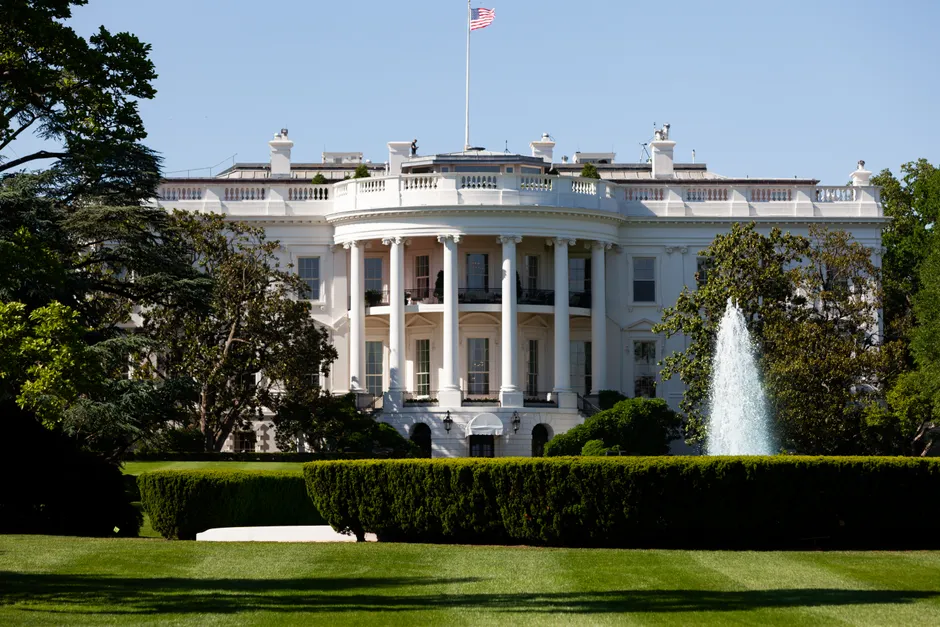
Donald Trump and First Lady Melania Trump welcomed Xi Jinping to the White House on Thursday, September 24, 2026. The First Lady had released details ahead of the visit by Xi and Madame Peng Liyuan. White House
Trump greeted Xi and his wife Peng Liyuan in person. He said Xi is the first Chinese leader to make a second state visit to the US — a formal visit with full ceremony. Xi's earlier state visit was in 2015, when Barack Obama was president. Trump added that he had forged a "truly great friendship" with Xi. The Guardian
The stated agenda was broad. Trump said the visit would include discussion of security, technology and AI, which he called "super intelligence."
Xi opened the summit meeting by laying out terms for mutual understanding with the US, saying that could help avoid military conflict. He called for wide cooperation to avoid the "Thucydides trap," the old idea from Greek history that a rising power and a ruling power can slide into war.
His proposal had several linked parts. Xi said China and the United States should "coexist in peace, stand to gain from cooperation and lose in confrontation." He said the two sides should "strengthen communication and build mutual trust through candid, in-depth and continued dialogue despite different national conditions." He said the US and Chinese militaries should "maintain regular dialogue and improve mechanisms for crisis communication and prevention," meaning hotlines and regular talks to defuse incidents. He said the trap can be overcome if those conditions are met. To ease tensions, Xi proposed inviting 100,000 young Americans to visit China on student exchanges.
The White House meeting followed a summit in Beijing in May. Xi had used the same trap language in Beijing, asking Trump how he planned to avoid it. In those Beijing talks, Trump and Xi discussed trade and Iran, while Xi cautioned the United States over Taiwan. Reuters
The phrase has a longer history. In 2013, Xi told international leaders that countries need to work together to avoid the Thucydides Trap. TIME He has asked whether the United States and China can overcome that trap and create a new paradigm of major-country relations, or a new model for how big powers deal with each other. Harvard Kennedy School
The broader context here is sequencing. Beijing in May put trade, Iran and Taiwan on the table. Washington in September put the framework around them. For officials who run these talks, that order matters. It suggests both sides wanted to air disputed issues before trying to set rules for managing them.
Looking at what this means for diplomacy, the working parts are military-to-military dialogue, crisis communication and prevention mechanisms, and continued leader-level dialogue. Those are process commitments, not settlements. A people-to-people plan of the scale proposed, 100,000 student visits, works in the same way. It does not settle security or technology competition. It creates channels meant to keep competition from turning into miscalculation.


