How War Turned the World Cup Into a Political Stage for Gaza

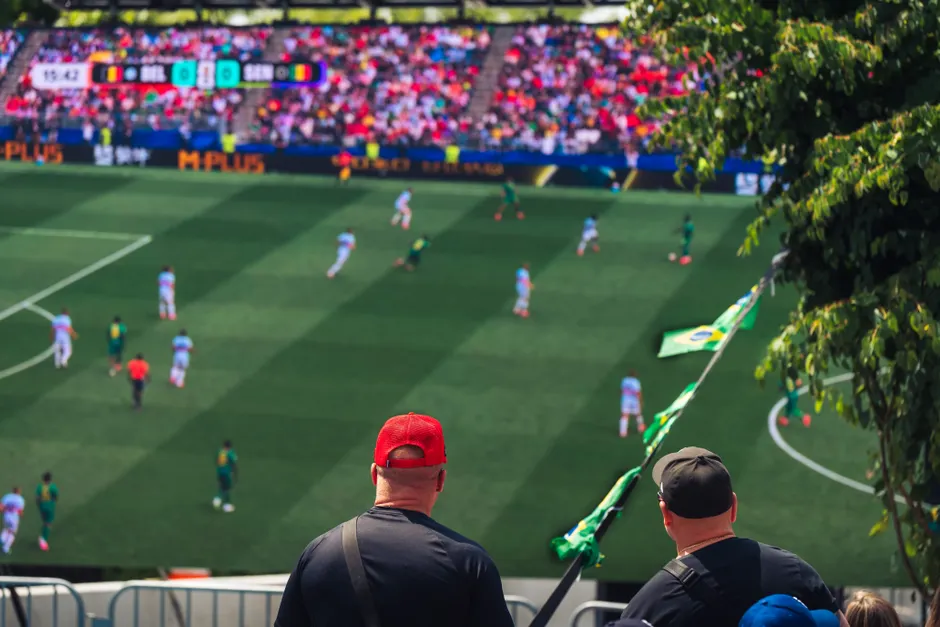
Palestinians in Gaza gathered to watch Spain's World Cup victory over Saudi Arabia on June 22, 2026, choosing their allegiance not on sporting grounds but on foreign policy: Spain had recognized Palestinian statehood and taken vocal positions on the conflict. According to Al Jazeera, this pattern reflected something deeper than casual fandom. The flags on the pitch carried geopolitical weight for a population watching a tournament their national team had failed to reach.
For Gazans, the choice of who to support was inseparable from the question of who had stood with them. This is what happens when conflict saturates every dimension of life: even entertainment becomes a referendum on solidarity.
The human toll on Palestinian sport is documented and severe. At least 894 Palestinian athletes in Gaza have been killed since October 2023, according to Al Jazeera. UN News reported in May 2026 that football had become the "only outlet" for many residents. Stadiums have been destroyed. Seasons have been erased. A video report by Al Jazeera's Maram Humaid captured athletes, coaches, and fans describing the loss of teammates, facilities, and any sense of continuous competition.
Yet the resilience is worth noting. Al Jazeera's June 11 longform piece documented a football club made up entirely of amputee players — men who continued playing after losing limbs. FIFA has announced plans for a major football complex in Gaza that would include 50 mini-pitches, five full-size stadiums, and an academy. Whether that project becomes real depends entirely on a ceasefire and the beginning of actual reconstruction.
The Institutional Barrier
The Palestinian Football Association has operated under crisis conditions for years. The national team plays its home matches in Qatar because security in Gaza and the West Bank makes hosting matches there impossible. In June 2026, the association's head, Jibril Rajoub, was unable to secure a US visa to attend the World Cup — a visa denial that functioned as a concrete symbol of Palestinian exclusion from the tournament.
Palestine nearly qualified for the tournament. The national team's campaign ended when Oman was awarded a controversial late penalty in a qualifying match. This near-miss carries weight because it happened to a squad training and competing under conditions no other contender faces: drawing players from a diaspora while their homeland's football infrastructure was being dismantled. The team that almost made it to the World Cup was, in effect, competing with one hand tied.
The forced withdrawal from Malaysia's 2023 Merdeka Tournament when the Gaza war began signaled what was coming: not a temporary pause but a sustained break from competitive football.
What football means in these circumstances resists simple explanation. It functions at once as an outlet for people with few others and as a political statement on the global stage. When Gazans root for Spain, they are casting a vote about who has recognized their existence and concerns — using the only platform available to them. That the World Cup is hosted in the United States and Canada, and that Palestine's football chief was locked out of it, makes the exclusion literal as well as symbolic.
FIFA's planned infrastructure is a gesture toward a future. But the organization can design pitches; it cannot negotiate ceasefires or shift the political conditions that would allow those pitches to be built. Until those conditions change, the 894 dead athletes are not a number to move beyond but a baseline. The amputee clubs and crowded watch parties are Palestinian football as it exists now.