Why Gaza Backed Spain in the 2026 World Cup Final

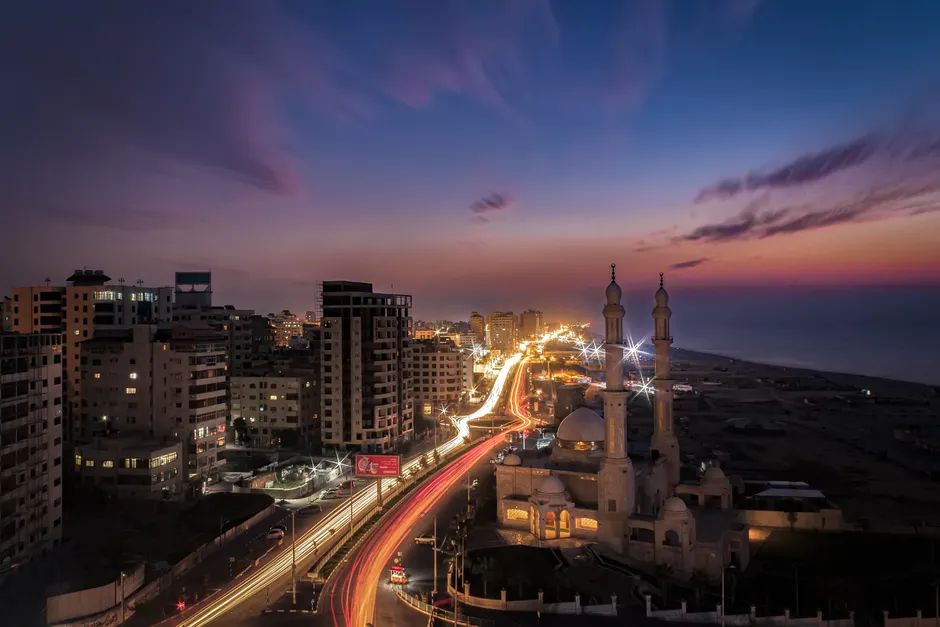
When Spain and Argentina met in the 2026 FIFA World Cup final on Sunday, July 19, crowds in Gaza City threw their support behind Spain — not for tactical reasons, but because of the Spanish government's political stance toward Palestine during Israel's war on Gaza.
Al Jazeera reported from Gaza City that many residents supported Spain in the final, pointing to Madrid's positions during the conflict and public gestures of solidarity by Spanish sporting figures. Ahmed al-Bozm, a 33-year-old Palestinian, told Al Jazeera he backed Spain specifically because of the government's posture on Palestine. The feature, photographed by Al Jazeera photojournalist Abdelhakim Abu Riash, captured a community channeling football fandom through a lens of diplomatic gratitude.
Spain formally recognized the State of Palestine in May 2024. Spanish Prime Minister Pedro Sánchez said at the time that recognition was intended to support a two-state solution — the framework for an independent Palestinian state alongside Israel — and to help end Gaza's humanitarian crisis. That decision, followed by sustained criticism of Israeli military operations from Madrid, has resonated in a territory where international political alignment carries direct emotional weight. Barcelona star Lamine Yamal waved the Palestinian flag during Barcelona's open-top bus parade after winning the La Liga championship in May 2026, a gesture that, according to Al Jazeera's reporting, further cemented pro-Spain sentiment among Palestinian fans.
The football infrastructure behind this enthusiasm is threadbare but functioning. Adnan al-Afifi, a 37-year-old former footballer who manages Palestine Stadium in Gaza City, organized World Cup-themed exhibition matches at the Palestine Sports Club. As of July 2026, that club was described as the only football club still operating and accessible to players in the Gaza Strip. Two simulated World Cup matches between teams representing Palestine and Spain were staged there on Thursday, July 17, and Saturday, July 19 — complete with referees and a symbolic VAR (video assistant referee) system. Hatem al-Maghribi, head coach of Gaza's amputee football team, Gaza al-Ir, was among those involved, a detail that underscores how the conflict itself has shaped who plays the sport.
The solidarity with Spain extended beyond Gaza. Al Jazeera reported on July 18 that Arab American communities in Brooklyn's "Little Palestine" neighborhood were also cheering for Spain in the final. A separate Al Jazeera sports article published July 19 noted that "Spanish style" was winning over die-hard World Cup fans in New York, while a video newsfeed showed Spain supporters celebrating in New York's streets before kickoff.
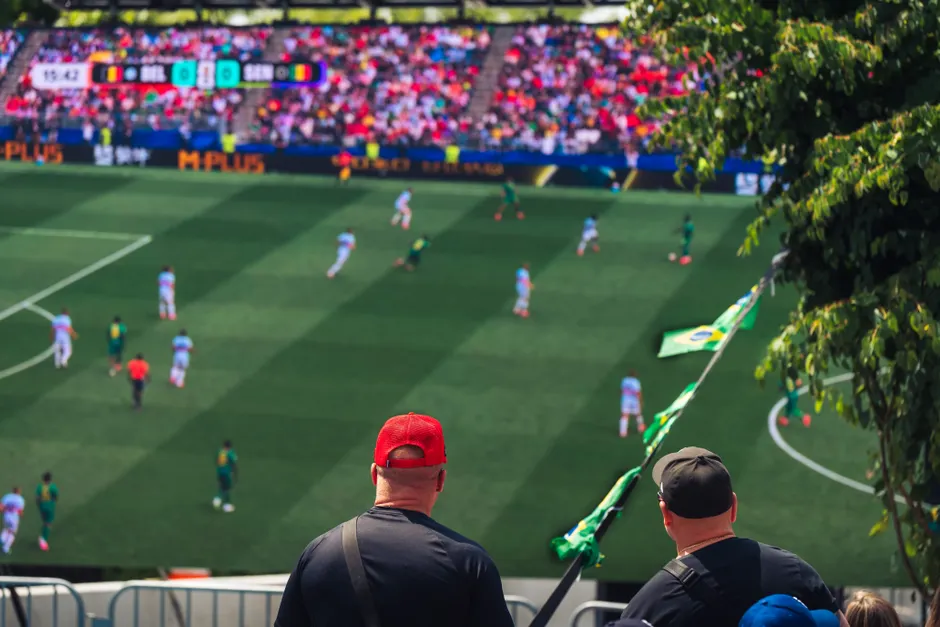
On the pitch, the final — designated Match 104 — was scheduled for 19:00 local time on July 19 at a tournament co-hosted by Canada, Mexico, and the United States. According to Opta's supercomputer model, Spain entered the final as favorites, as reported by Al Jazeera. FIFA's own tournament statistics framed the matchup as a clash of contrasting strengths: Argentina had scored 19 goals across the tournament, averaging 2.71 per game, while Spain had scored 13. Argentina conceded 7 goals; Spain entered the final with the tournament's meanest defense. Spain coach Luis de la Fuente, who discussed the pros and cons of man-marking ahead of the match, oversaw a side built on defensive structure. FIFA's Technical Study Group, which included Gilberto Silva and Tobin Heath, was tasked with analyzing the final.
The broader context here is that football fandom in Gaza has long functioned as a stand-in for political identification, but the Spain-Argentina final sharpened that dynamic in unusual ways. Spain's recognition of Palestine, Sánchez's framing of it as a step toward a two-state solution, and gestures like Yamal's flag-waving created a convergence between sporting allegiance and diplomatic sympathy that few World Cup finals produce. The fact that Gaza's football community — operating from what is reportedly the Strip's last accessible club, with amputee athletes among its participants — organized simulated matches with referees and a mock VAR system speaks to football's role as a vehicle for normalcy and collective expression under conditions of profound deprivation. The parallel enthusiasm in Brooklyn's Little Palestine suggests that this alignment of football and politics traveled with the diaspora, binding communities to a national team not for its style of play but for what its government chose to do.
What distinguishes this moment from routine geopolitical sports narratives is the specificity of the trigger. Spain did not merely offer rhetorical support; it took a concrete diplomatic step — recognizing Palestinian statehood — and that act filtered through to football preferences in a besieged territory and an American diaspora neighborhood alike. Whether that affinity outlasts the tournament cycle is a separate question, but the alignment on July 19, 2026, was unmistakable.