NYT Cooking Is Coming to Meta's AI Glasses in Hands-Free Mode
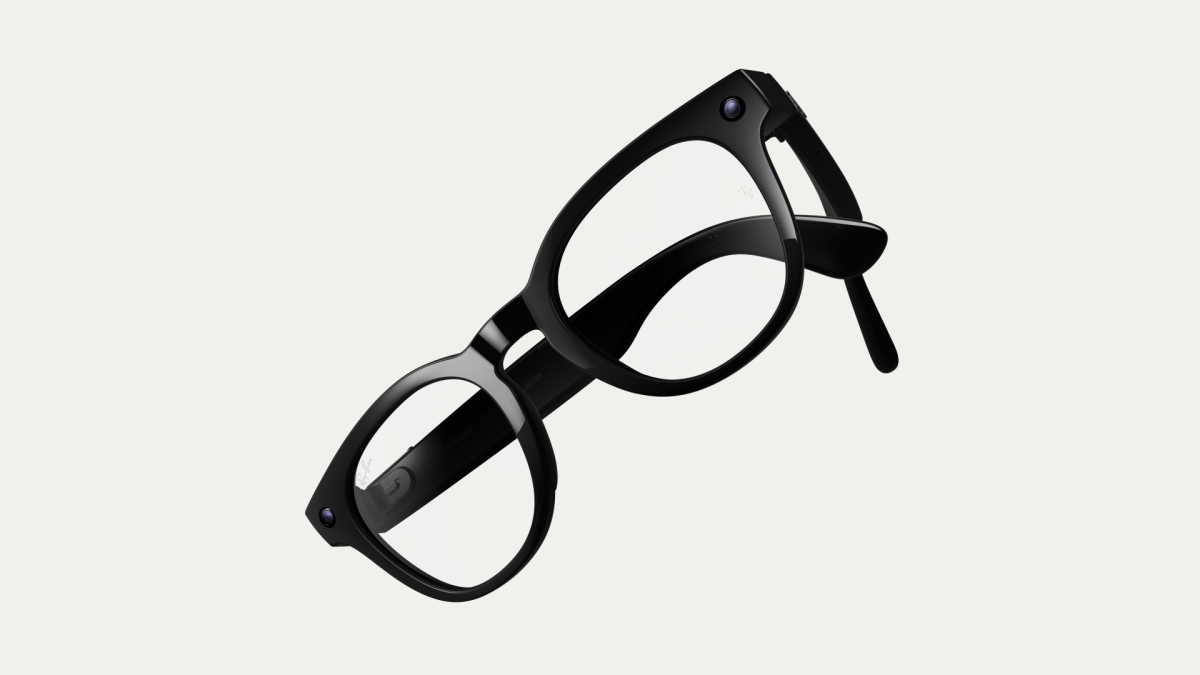
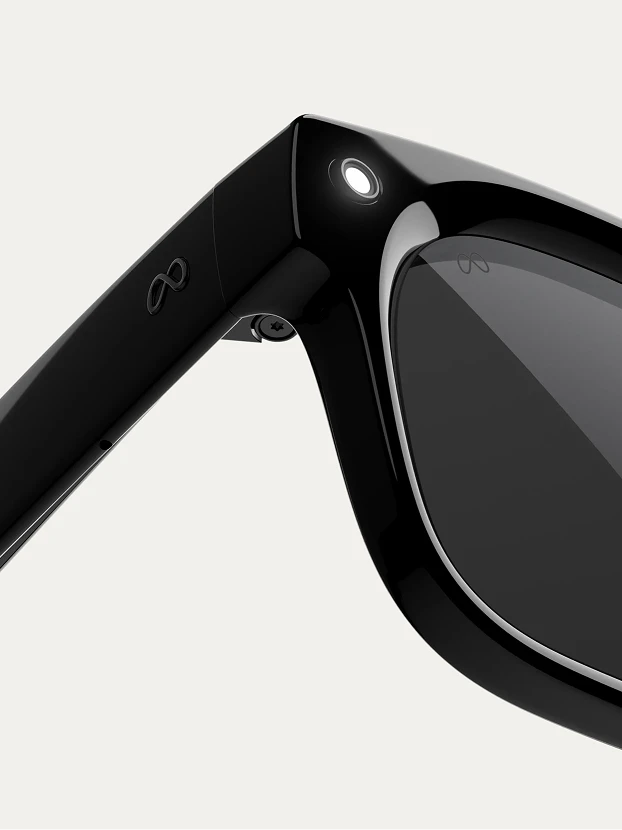
NYT Cooking is coming to Meta's display and non-display AI glasses through a new hands-free mode that reads recipe steps aloud. The glasses pair with the NYT Cooking app, which sends audio prompts for the dish being cooked. Engadget
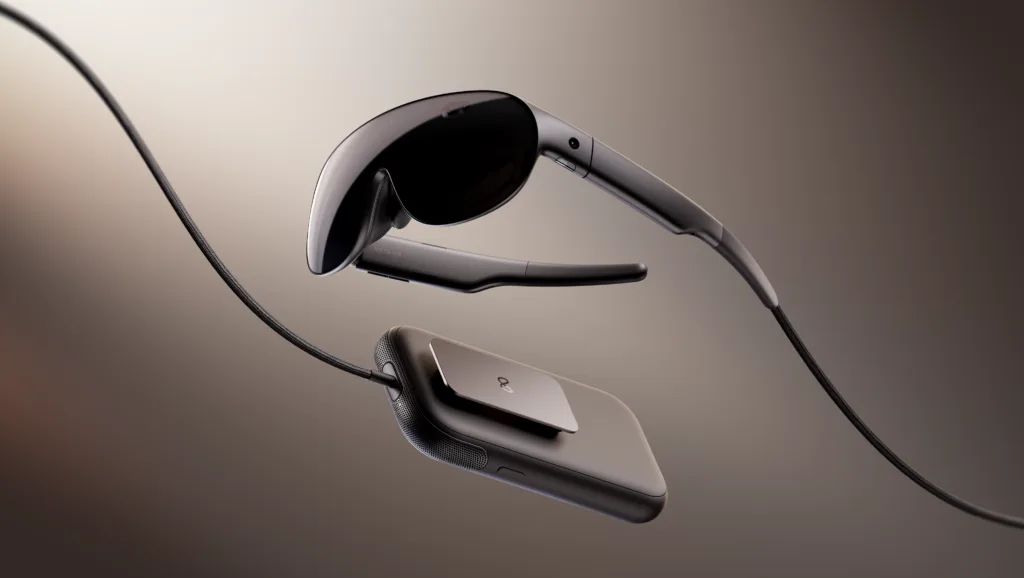
The setup works without touching a phone or laptop once the glasses are paired to the app. Long recipe text is broken into short spoken instructions, with ingredients and measurements kept inside each step so quantities are not lost halfway through. On Ray-Ban Display glasses, each shortened step also appears as a card that can be swiped through.
The feature was previewed during the developer state of the union at Meta Connect. It is not shipping yet. Meta and NYT Cooking expect the hands-free mode to roll out later this fall.
That timing brings a familiar type of content to new hardware. Meta said at Connect 2026 it is expanding its AI glasses portfolio with new features and styles, a lineup the company describes as more than 100 different options. Meta Separate reporting from the event noted three smart glasses with built-in AI.
For builders, the difference between display and non-display matters. The non-display version is audio only, while the Display version adds a small stack of on-screen cards, like slides, that stay in sync with the narration. Both use the same basic job, taking recipe text written for the page and re-cutting it for step-by-step voice delivery.
Some of this already exists in simpler form. Ray-Ban Meta AI glasses offer AI recipes with ingredients and step-by-step instructions for hands-free cooking, and earlier hands-on tests described following a recipe on smart glasses while asking basic cooking questions without using hands. The NYT Cooking work builds on that pattern with licensed, tested recipes rather than generated instructions alone.
The Display hardware sits at the higher end of the current lineup. Ray-Ban Display glasses cost $799 and were scheduled for a Sept. 30 release. The New York Times
As a parent, I have seen the kitchen problem up close. My kids learned to cook with a tablet propped against the backsplash, screen dimming at the worst moment and flour everywhere. Anyone who has cooked that way will understand the appeal here. The kitchen is hard on touchscreens.
In my view, the technical interest is less in the narration itself than in the editing work needed to make it usable. Recipes list prep, yield, ingredients, and method, but the writing often assumes the reader can scan back visually. Turning that into spoken cues and swipeable cards means sorting out references, where "it" or "the mixture" points back to an earlier line, saying measurements clearly for speech, and deciding where one step should end and the next begin. Cut the steps wrong and the cook is interrupted too often or left holding a hot pan while waiting for the rest of an instruction. Cut them right and the glasses fade into the background, which is the test for this kind of device.
Looking at what this means for builders, the same pattern could apply elsewhere. Companion-app pairing plus short spoken instructions, or TTS (text-to-speech, a synthesized voice), plus optional on-lens cards is a practical template for other step-by-step jobs, from furniture assembly to lab protocols to field maintenance. The practical questions are delay between phone and glasses, or latency, how well it hears over kitchen noise, how precise the controls are for pause, repeat, and back-one-step, and how it handles substitutions or mid-recipe questions. Those details will decide whether hands-free cooking becomes routine or stays a demo.