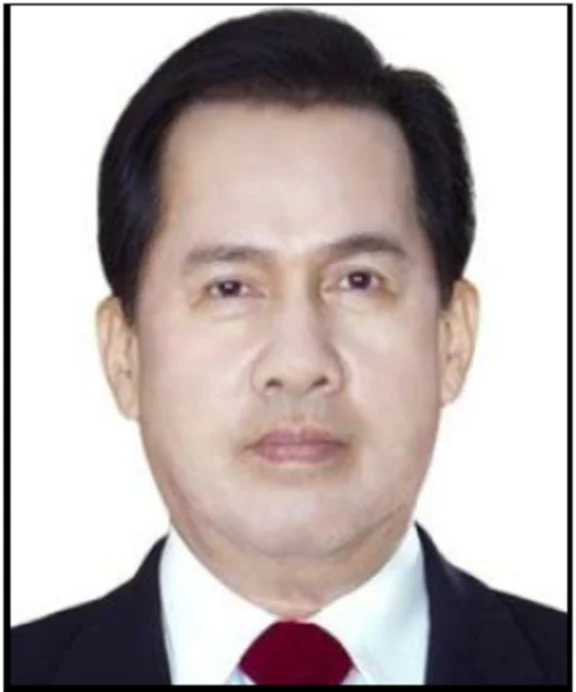
Marcos Grants Mary Jane Veloso an Absolute Pardon

Philippine President Ferdinand Marcos Jr. granted an absolute pardon to Mary Jane Veloso on September 25, 2026. The announcement was reported on September 25 by Reuters and ABS-CBN.
The grant was described as absolute, the formal term for a full and final pardon. Both the Philippine News Agency and ABS-CBN used that designation in their September 25 reports.
Veloso had spent nearly 15 years on death row in Indonesia, according to ABS-CBN. She returned to the Philippines in December 2024, according to the Philippine News Agency. The pardon therefore came more than a year and a half after her return.
The broader context here is sequence. Physical return did not bring legal closure. The gap between December 2024 and September 2026 separates repatriation, the act of bringing a person home, from settlement of legal status. That split is common in transfer cases. Custody can move while the legal questions at home stay open. Executive clemency, the president's power to forgive or reduce punishment, is then the tool that settles them. Absolute pardon sits at the end of that process, not the start.
In my view, specialists will focus on what absolute status resolves. Questions often linger after a death sentence abroad. Is any sentence still enforceable at home. Do limits remain on movement, documents, and civil standing. What assurances, formal or informal, exist with the sentencing state. An absolute pardon answers those questions in the fullest form available to a president. It closes domestic legal exposure. It removes continuing supervision tied to the conviction. That completeness reduces uncertainty in later administrative decisions.
Looking at handling between Manila and Jakarta, restraint will matter as much as relief. A death sentence imposed on a foreign national touches judicial sovereignty, the authority of courts, in both capitals. The sentencing state defends its courts. The home state defends its citizen. After a return, both sides have an interest in avoiding fresh public debate about the original trial. A brief domestic announcement framed around mercy and finality, not reassessment of facts, preserves that balance. It lets Manila exercise its own constitutional authority without requiring Jakarta to revisit its decisions.
For readers tracking Philippine executive practice, the next questions are procedural. Publication of the pardon instrument. Entry in relevant records. Coordination among agencies responsible for detention, parole, and identification. Those steps do not alter the core facts. Marcos Jr. pardoned Veloso. The pardon was absolute. It was announced September 25, 2026.