TfL to Launch Its Own Bus Company — What the First Five Routes Will Test
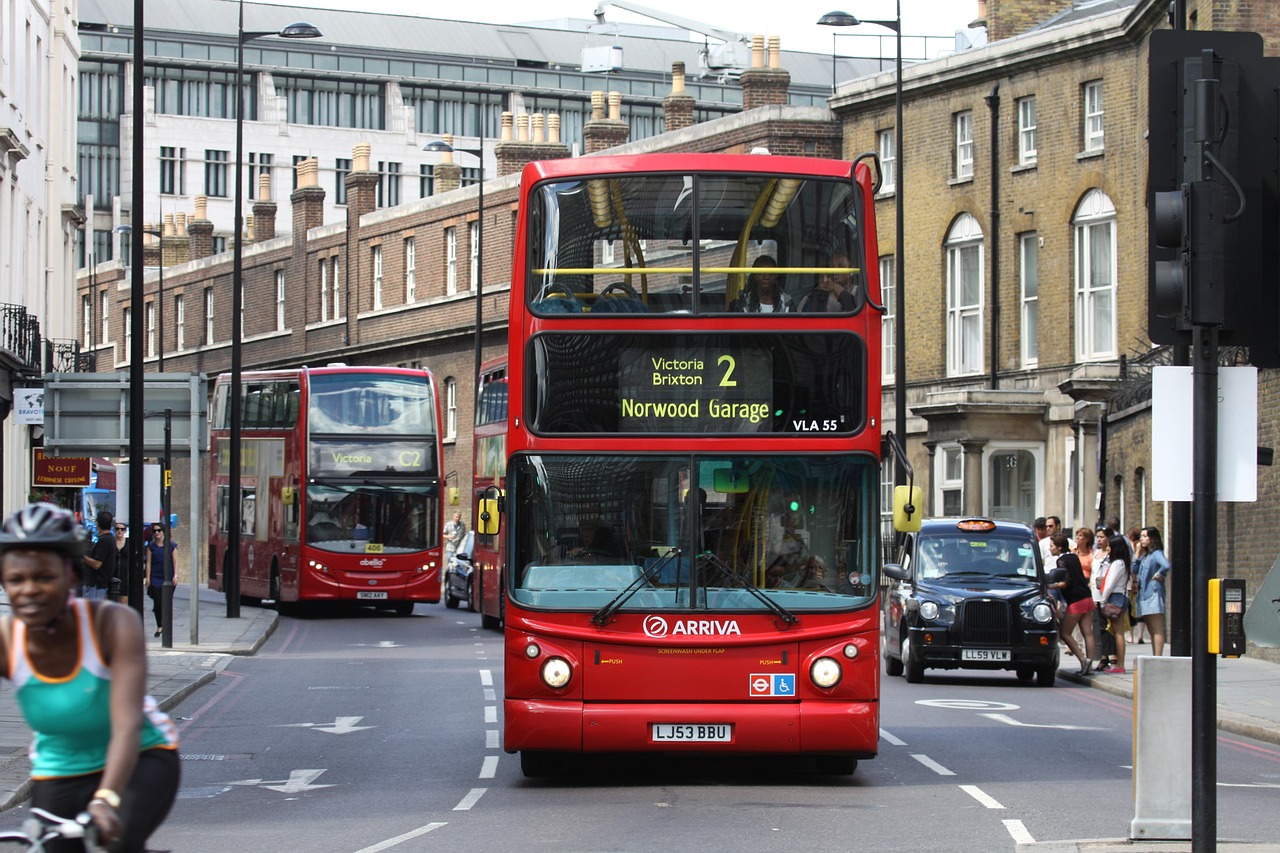
Transport for London will set up a publicly owned bus operator, Buses for London, to start running services in late 2027. The Guardian
At first, the new company will run only a handful of London's nearly 700 bus routes. Route 6, between Willesden and Victoria station, will be first. Four more routes to run under public operation from 2028 have yet to be announced.
The plan adds a public operator alongside the existing tendered system, where private firms bid for contracts to run routes. Right now, TfL contracts out London bus services to eight privately owned operators. TfL said its own company would give it greater control over services and allow profits to be reinvested into the transport network.
Buses for London will operate from a depot in the Old Oak regeneration area. TfL described the site as the first home of a new generation of zero-emission buses — buses that run without exhaust pollution. The depot lease for the first Route 6 service runs until 2033. TfL
London mayor Sadiq Khan said the launch was an opportunity to reimagine the bus network for better value, climate goals, road safety and service for passengers and drivers. Unite general secretary Sharon Graham welcomed the move, saying Unite had long called for London bus services to be returned to public ownership. Confederation of Passenger Transport chief executive Graham Vidler said passengers need faster, more reliable journeys and that buses typically travel at just 9 mph in London.
TfL manages a fleet of around 9,000 vehicles across the capital, serving more than 19,000 bus stops.
The broader context here is control and comparison, not immediate market share. Five routes will not change who moves most Londoners. Running some buses itself gives TfL a close look at costs, staffing, maintenance and day-to-day operations on those routes. Like a home team to measure against, it also creates an internal benchmark for private contracts. That could give TfL more leverage when it negotiates prices and service standards, even where private firms keep running the buses.
Looking at what this means for delivery, the early test is practical. Whether the depot is ready, whether buses are delivered, whether enough drivers are hired and whether timetables hold will decide credibility. Route 6 will work as a pilot. Its reliability, cost per mile and ability to keep staff will shape whether policymakers keep public operation small or use it as a model for wider rollout.
In my view, how TfL handles the politics matters as much as the timetable. Backing from organised labour presents the policy as a return to public stewardship. Industry focus on speed points to a different passenger problem, congestion and journey time. Both can be true at once. TfL will need to show that direct control makes journeys better while meeting climate and safety goals, without weakening the contracted network that will still carry most services.


