Meta Opens Early Access to a More Persistent, More Independent Muse
Meta opened requests for early access to new Muse capabilities on September 25, 2026. The program follows new Muse announcements at its Connect 2026 developer conference. TechCrunch
Access is opt-in. Users join the list by asking Muse itself, "Can you let the Muse team know I want to be part of the Muse early access program?" Meta also posted a link on X that, when shared with Muse, logs interest in joining.
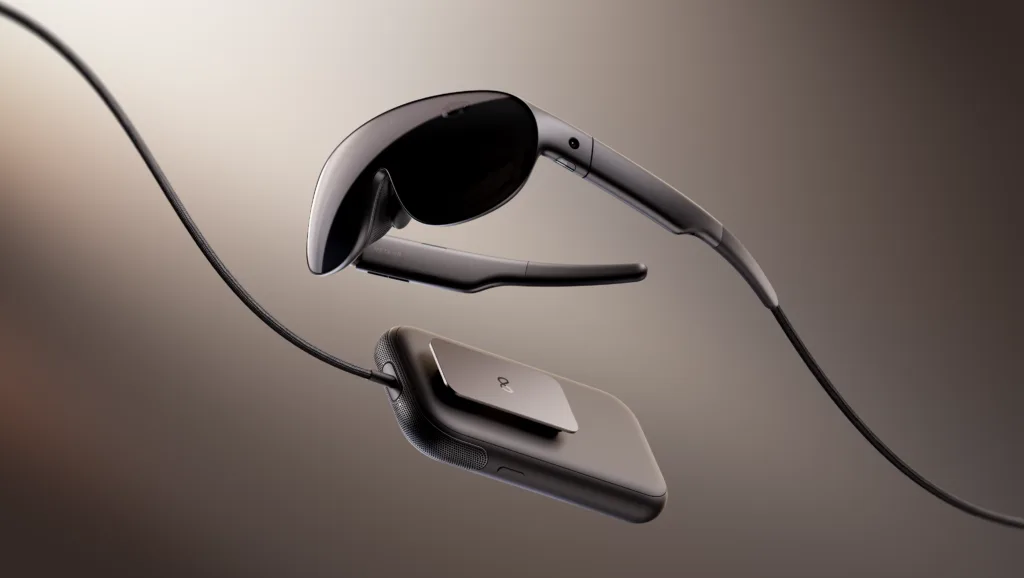
The early features focus on longer-running and more independent behavior. They include a digital avatar for Muse that users can video chat with, new shopping partnerships and connectors, or approved links that let the assistant use other apps, and an expanded Muse Mac app that can operate the computer to complete tasks. Muse will also come to Meta's AI glasses, controlled by a wake word and voice commands.
Muse launched on September 8, 2026, in the US through a dedicated app and WhatsApp. Reuters Meta describes it as the world's first personal AI agent, a secure, private assistant that works proactively toward goals and suggests ideas. Meta In practice, it connects to email, calendar, Instagram and other apps, plus payments and health apps, according to Meta's product documentation. It can send emails and book travel, and complete transactions such as selling a car. Reuters
Meta said Muse would become the primary interface for its glasses. Through glasses, Muse lets users shop, make appointments and complete tasks by voice. Reuters On AI glasses, Muse can act on what the user is looking at without the user having to describe it. Meta
Underneath is a model refresh. At Connect 2026, Meta showed Muse improvements including new features, connectors, and a state-of-the-art model. That work builds on Muse Spark, which Meta described as its most powerful model yet for a smarter and faster assistant. Meta A related system, Muse Image, added more than 30 AI-powered effects for Instagram Stories.
The broader context here is that the list matters less than the design it points to. Avatar chat tests whether users want a visible helper for sustained work rather than a chat box for quick prompts. Computer use on macOS tests permissioning, sandboxing or keeping software in safe bounds, and auditability when an agent touches files and screen controls. Glasses with wake-word control test always-available help with tight limits on delay.
In my view, Meta is sequencing distribution with intent. The dedicated app and WhatsApp bring scale. The Mac app sits where multi-step work already lives. Glasses provide hands-free input where describing context is costly, so acting on what the user sees has practical value. If early users hold longer avatar sessions, delegate desktop tasks, and complete purchases or bookings by voice, Meta will have evidence for an agent that persists across devices. We have seen this pattern before in the shifts from PC to mobile to cloud. Interfaces that lower friction get used for larger work, and controls around identity, payments, and data access matter as much as model quality.