Meta's Muse Is a Personal AI Agent, Not Another Coding Bot
Meta debuted Muse, its new personal AI agent, at its annual Connect event. The launch landed in a crowded week with new model releases from OpenAI and Anthropic, but TechCrunch's Equity podcast hosts Kirsten Korosec, Sean O'Kane and Anthony Ha said Meta's announcements stole the spotlight. TechCrunch
Muse was described on the podcast as Meta's bet on consumer AI. Other large AI labs have recently focused on coding assistants, developer tools and enterprise workflows. Meta is positioning Muse for personal, everyday use.
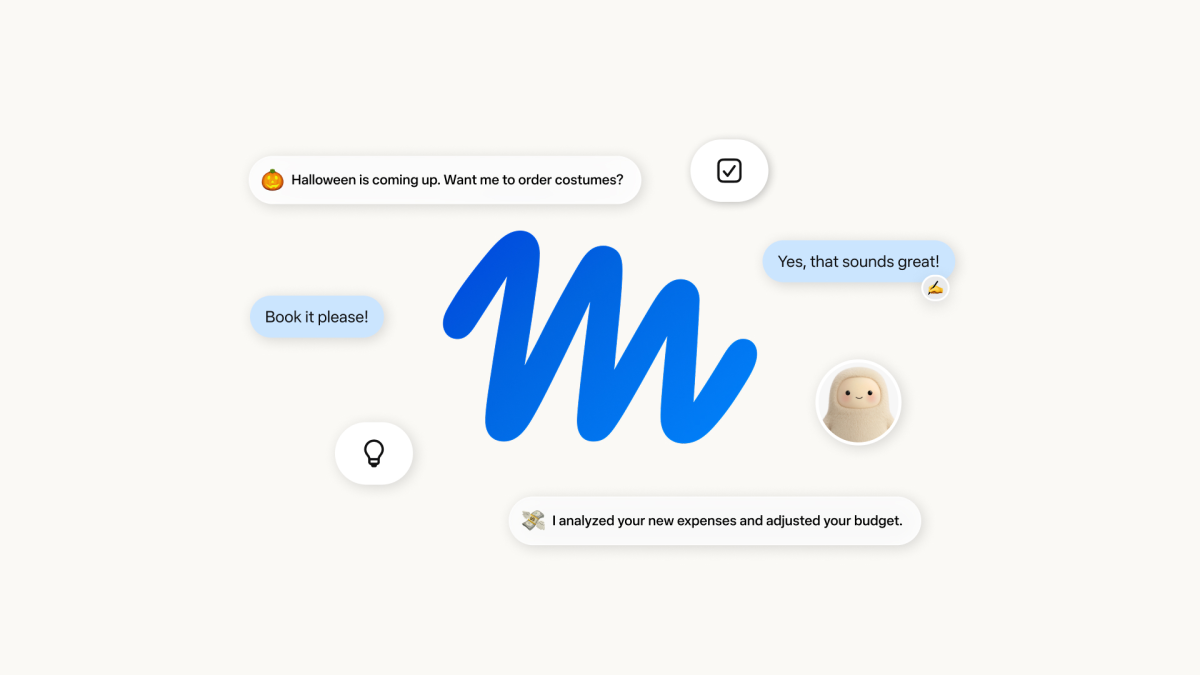
Meta announced new features for the Muse AI app at its Connect 2026 developer conference and opened an early access program for those features. TechCrunch The company has not presented Muse as a single model release. It is packaged as an app with agentic capabilities, meaning software that can take steps and use tools on a user's behalf, with access limited while Meta works on tool use, permissions and reliability.
The agent push came with a hardware push. Meta said its Connect 2026 announcements centered on personal AI agents for everyone and devices to reach them anywhere. Meta The company held Connect 2026 over two days, sharing its latest AI models and products and advances across VR and AI glasses.
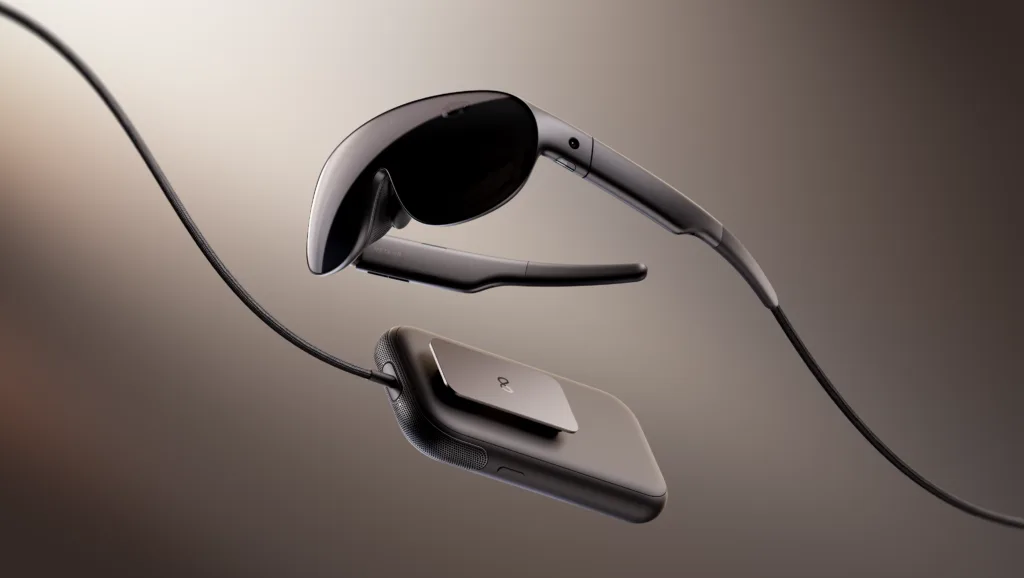
On glasses, Meta announced Ray-Ban Meta Audio as its first audio glasses and called the launch part of its biggest expansion of AI glasses styles to date. It also showed still-unreleased audio-only smart glasses at Connect, with units visible across the event. In VR, Meta returned to a lightweight glasses form and added entertainment options including IMAX. TechCrunch
Another reveal was a Tamagotchi-style AI device that Meta says is for adults only. Verified announcements did not include details on how users interact with it or what is processed on the device versus in the cloud. That leaves open the questions developers ask first: how it tracks ongoing tasks, how far its memory reaches, its microphone and camera rules, and what runs locally.
Early hands-on reports were mixed. O'Kane tried Muse and said the agent found him some unclaimed money. He called it more of a "party-trick type thing" than something that would bring him back daily.
The Equity discussion asked whether users can trust Meta's AI with sensitive information, noting that Meta's business is to sell ads. A useful agent needs access to email, calendars, purchase history, location and often financial or health-related data. That permission range is much wider than for a chatbot that answers general questions. It puts data retention, limits on ad targeting, and controls such as audit logs and deletion guarantees at the center.
For background, Meta released an AI model for developers with an emphasis on open-source access. It planned to put an AI chip into production in September as it looks to double computing capacity, with plans to deploy 14 gigawatts of computing capacity. Reuters Bloomberg News also reported that Meta Platforms is building a cloud business to sell excess AI computing capacity.
The broader context here is a split in agent strategy. Enterprise vendors are building for controlled workplaces with identity management, policy enforcement and measurable task completion. Meta is building for distribution through phones, glasses and social apps, where use is voice-first, short and highly tied to place and moment. Both need the same basics, including function calling to use outside services, grounding to check answers against real data, and long-horizon planning to handle multi-step tasks. They tend to fail in different ways. One fails on the cost of setup. The other fails on trust.
In my view, trust is the gating factor for Muse, not demo quality. Consumers have given Meta large amounts of social and behavioral data, but an agent asks for a different kind of access. It acts for them. The questions to watch are how Muse limits the permissions users grant, how it explains multi-step actions before it runs them, what memory it keeps by default, and whether ad systems are kept separate from agent working memory.
For the longer term, there is reason for careful optimism. Personal agents spread across glasses, audio and phone could lower the cost of routine digital work, from sorting messages to handling forms and follow-ups. My own children took to mobile and voice interfaces faster than any manual predicted, then treated them as normal and asked for better reliability. Consumer AI often follows that curve. Novelty first, utility later, then reliance on the parts that simply work. If Meta can turn a party trick into a daily habit without crossing the trust line it is already being questioned on, Muse will matter more than this week's model ranking. If not, it will stay an interesting demo tied to compelling hardware.