Iran Awaits U.S. Move After Reported Peace Plan Rejection

Iran was awaiting a United States decision on Sept. 26, 2026, after the Wall Street Journal reported that President Donald Trump had rejected a peace plan, according to Reuters.
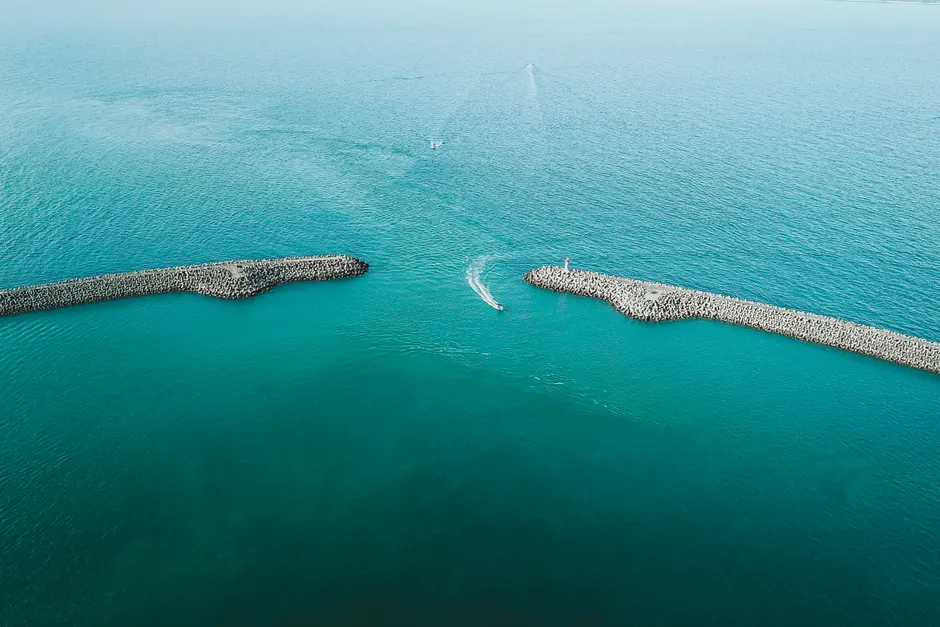
Tehran had signaled it could reopen the Strait of Hormuz, the narrow waterway that carries much of the world's oil by ship. A senior Iranian official gave that signal, as reported on Sept. 23 by Reuters. One day later, Trump said he could "annihilate" Iran if there is no deal to end the war, as reported on Sept. 24 by Reuters.
The broader context here is timing. Hormuz access was presented as conditional, while Washington linked settlement to threats of force.
On Sept. 24, the U.S. Senate rejected a war powers resolution, a measure that would have blocked Trump from ordering further strikes on Iran. The vote was reported by the Associated Press, The Washington Post and The New York Times. Authority for further strikes stays with the White House.
The Associated Press reported that Trump's military action against Iran has been largely blamed for a spike in gas prices, and that the Iran war has become a flashpoint in the midterm election, the vote that decides control of Congress. A growing number of Republicans have broken from Trump on the conflict amid voter concerns, according to The New York Times. Trump himself tied the end of the war to the midterms, as reported Sept. 10 by Al Jazeera.
In my view, domestic politics now shape these military choices. Prices are rising and party unity is weakening.
For context, earlier White House statements are background, not the current picture. Other ceasefire claims are undated and less central than the September reporting.
On April 1, the White House stated that the United States continues to strike the Iranian Navy and its ability to control movement through the Strait of Hormuz, according to the White House. On Feb. 6, Trump signed an Executive Order reaffirming the ongoing national emergency with respect to Iran, according to a White House fact sheet. An older achievements page, dated Nov. 6, 2025, mentions an extended 60-day ceasefire, a temporary halt in fighting, a fully reopened strait to toll-free shipping, and a lifted naval blockade.
Trump stated in posts of unknown date that he agrees to suspend bombing Iran for two weeks, and called it a double-sided ceasefire. In May, Trump dismissed an Iranian proposal online within hours of its release, according to Reuters. In April, Tehran rejected a ceasefire in response to a U.S. proposal sent through mediator Pakistan, saying a permanent end was needed, according to Reuters.
The broader context here is a negotiation over order. Washington has alternated between short pauses and demands for settlement, while Tehran separates a ceasefire from a permanent end. Hormuz serves both as a battleground and as leverage.
Looking ahead, three questions will shape the next phase. The first is whether talks move beyond Pakistan-mediated channels to direct engagement. The second is whether Hormuz reopening is a precondition, a concession, or a parallel step. The third is domestic. The Senate vote preserves White House latitude, but gas prices and midterm math narrow room for a long operation with no defined endpoint.