Six Killed in Athens Apartment Explosion: What We Know and What Comes Next
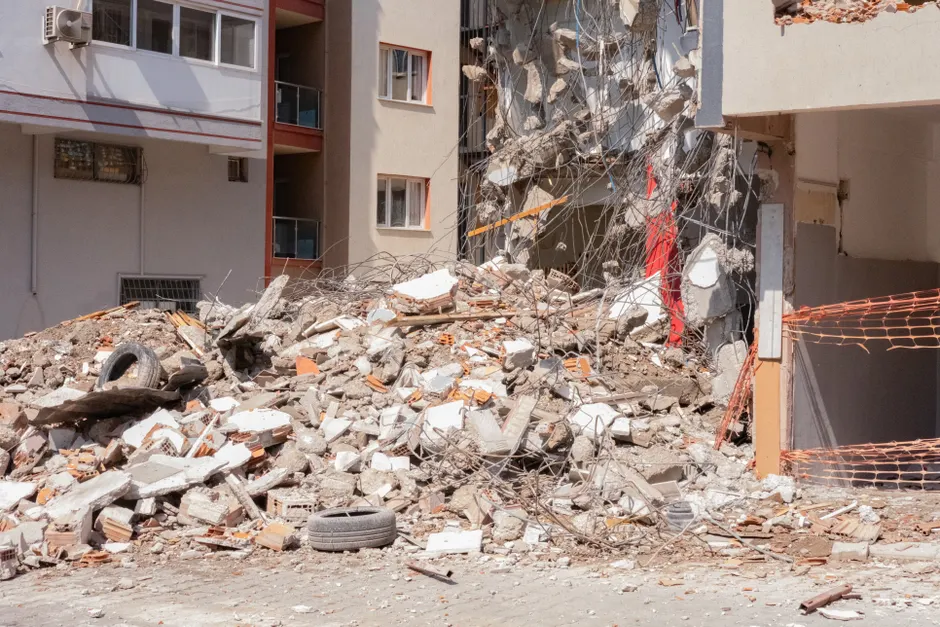
Six people were killed when a two-storey apartment block in Athens collapsed in seconds after an explosion.
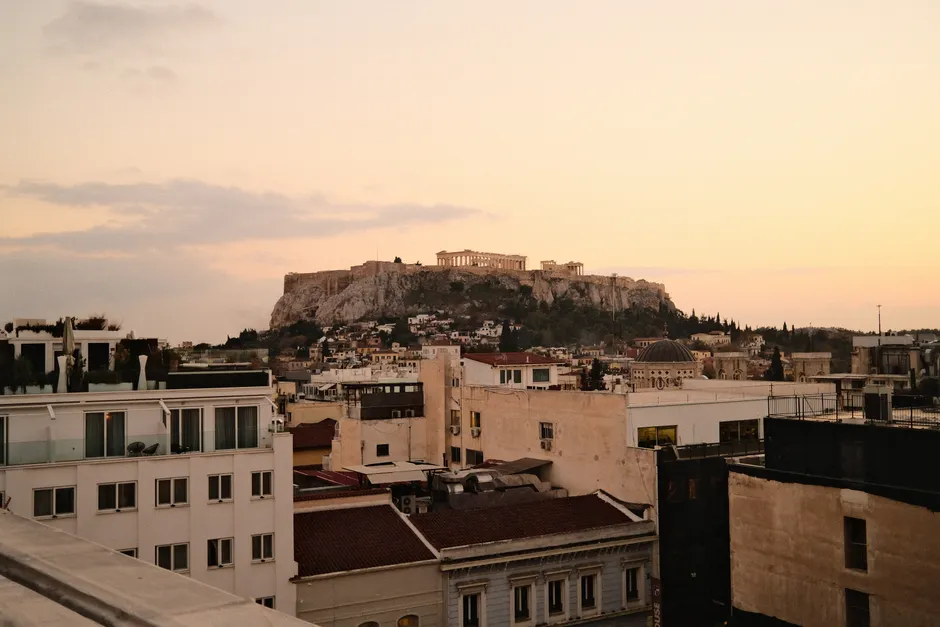
The collapse happened in the historic Plaka district, the old neighbourhood below the Acropolis. Emergency crews recovered the victims on Saturday, Sept. 26, more than 24 hours after the blast. The explosion happened at 7:30am. The building was a mid-20th century structure at 15 Lysikratous The Guardian.
Greece's fire service said the dead were three women and three men. Four were American tourists staying in a short-term rental on the building's first floor. They were two brothers and their wives, and they had been due to fly to the United States on Friday. The other two victims lived on the upper floor, a 77-year-old Briton and his 78-year-old Greek wife.
The blast was first reported on Friday, when five people were listed as missing after a residential building collapsed in central Athens Reuters. At least three other people were injured. Two passports were recovered from the rubble during the early search. One American couple had been scheduled to check out of the rental on the day of the blast.
Officials said the blast was a suspected gas explosion BBC. Athens mayor Haris Doukas called it an 'unprecedented disaster'. Fire, police and municipal teams worked through Friday and into Saturday to stabilize the site, recover the dead and treat the injured while securing surrounding streets in the densely built neighbourhood.
The broader context here is consular and regulatory, meaning diplomacy plus building rules. With four Americans and a British national among the dead, Greek authorities must coordinate death notifications, identifications and repatriations, the formal return of bodies home, with the U.S. and British embassies alongside a domestic technical inquiry. The central questions are mechanical, links in one chain: the source and build-up of gas, the condition of internal piping and appliances in a short-term rental inside an older block, and whether inspection and permit rules for mixed resident and visitor housing in historic districts captured the risk.
Looking at what this means for Athens, the political pressure will be immediate and administrative. Plaka combines heritage buildings, dense tourist use and permanent residents, which complicates enforcement and emergency access. A confirmed gas cause would point toward utilities, building managers and rental operators. An unconfirmed or disputed cause would prolong uncertainty for residents and for the central short-term rental market. Either way, trust in the inquiry will depend on rapid forensic findings, transparent release of autopsy and engineering results, and coordination with foreign governments whose citizens were killed far from home.