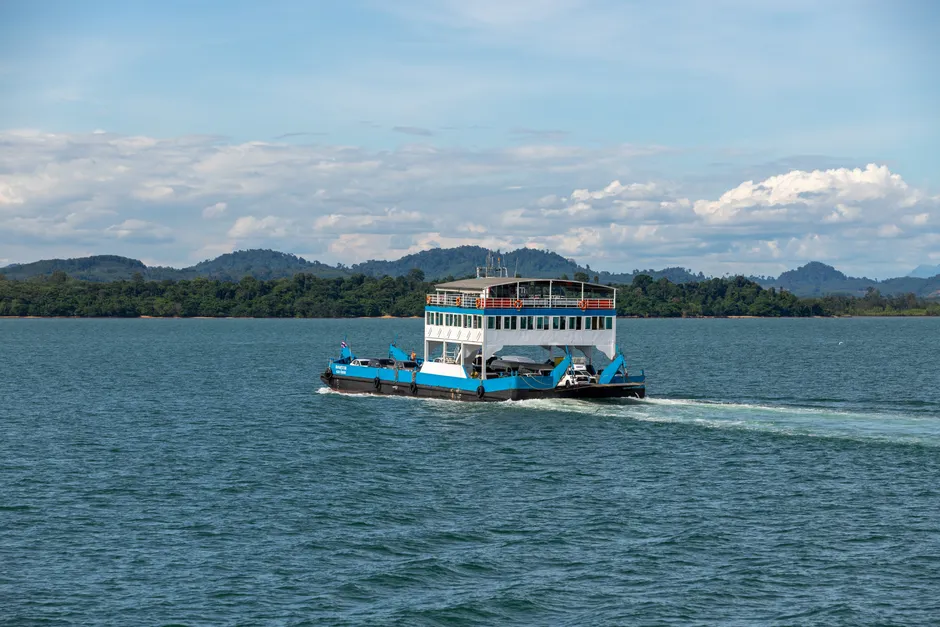
Two Deadly Boat Sinkings Days Apart Put Congo's Lake Routes in Focus

At least 12 people died and dozens remain missing after a vessel carrying fish traders capsized in Lake Kivu in eastern Democratic Republic of Congo on Saturday night. Authorities confirmed the toll on Sunday, September 27. Al Jazeera
The vessel was carrying more than 50 people when it went down near Idjwi Island in South Kivu province. About 15 people were rescued, according to Kisheke village chief Félix Habiragi. Local administrator Muhindo Ntambuka Pascal said the vessel was transporting fish traders and goods from Bwina on Idjwi Island to Boza.
Dozens are still missing. The route links island trading points with lakeside markets, and the passenger list, or manifest, for the Saturday sailing has not been publicly reconciled beyond the figure of more than 50 people on board.
The Kivu sinking came two days after a separate capsizing on Lake Tanganyika. That boat, reportedly carrying about 100 people, capsized near Mapera village. At least 41 people died and 49 were rescued.
Earlier official reporting on the Tanganyika sinking described a Thursday sinking with 84 people on board, including 12 crew members, and more than 40 missing. The account was attributed to Tanganyika transport minister Norris Mulongoy. Reuters
The two September sinkings follow earlier fatal inland-waterway accidents in Congo. In October 2024, an overcrowded boat carrying 278 passengers capsized on Lake Kivu, killing at least 78 people, according to a Congolese governor cited by AP. In January 2023, at least 145 passengers were missing and feared dead after a motorized boat overloaded with goods and animals sank at night on a river in the Democratic Republic of Congo.
The broader context here will be familiar to Congo watchers. Passenger and cargo loads are often combined, like a bus that also hauls market freight, night navigation is common, and passenger counts often shift between early provincial statements and later tallies as survivors are located and manifests are checked. The gap between the early Tanganyika figure of 84 on board and the later report of about 100 fits that pattern, with neither figure yet presented as a final, audited list.
Looking at what this means for response and accountability, the immediate questions are search capacity around Idjwi Island and Mapera, consistency in provincial casualty reporting, and whether transport authorities in South Kivu and Tanganyika publish vessel registration, loading and routing details. For donors, MONUSCO watchers — the UN peacekeeping mission in Congo — and humanitarian planners in the east, parallel mass-casualty events on two lakes within days complicate incident tracking and raise questions about enforcement of loading limits and night-sailing rules. The next authoritative updates will likely come from provincial administrators and village-level officials, who have so far provided the most specific rescue and routing information.