U.S. Rejects Iran's 7-Day Hormuz Plan as Tanker Attacks Continue

Washington has rejected Iran's seven-day roadmap to end the war and reopen the Strait of Hormuz, while Tehran says it is "fully prepared" if fighting with the United States resumes. The parallel warnings and diplomacy were reported on September 28, 2026, with President Donald Trump saying he expects more talks with Iran this week and that Washington will win the war "very soon". Al Jazeera
The roadmap was presented by Iranian Foreign Minister Abbas Araghchi. It proposed to first reopen the Strait of Hormuz and then restart negotiations. CBS News The Strait is the narrow waterway for Gulf oil shipments, so any closure hits global supply.
Under the sequencing described on September 25, initial steps would take four to five days, with the Strait reopening on the sixth day. Al Jazeera
On September 25, Iran said it was awaiting a U.S. response. The September 28 reporting put Washington's answer as rejection. No agreed timeline for de-escalation — a step-down from fighting — has been announced.
Tehran has linked rapid reopening to U.S. military posture. A senior Iranian official said Tehran could reopen the Strait within days if the United States eased military pressure and lifted its blockade, the effort to block ship movement.
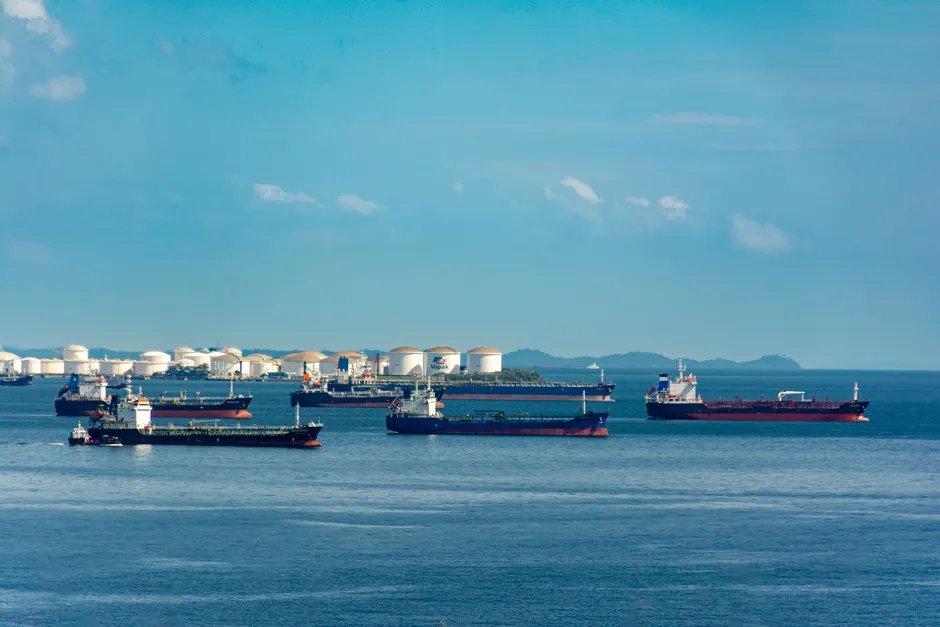
The waterway is already contested by force. The United States and Iran have attacked tankers in the Strait as both sides try to exert control over it. Al Jazeera The Iranian military has said it had information that an attack was being prepared, without elaborating.
Tehran frames the insecurity in political terms. Foreign Minister Araghchi has said the primary source of insecurity in the Persian Gulf and the Strait is U.S. military aggression. Araghchi has also said Iran does not want war in the region but is fully prepared for any war.
The broader context here is negotiation through pressure on a chokepoint. Iran proposes a phased exchange with Hormuz reopening early. Washington, by rejecting that sequence while still pointing to more talks, signals it will not accept linkage between blockade relief and negotiations on Tehran's timetable.
Looking at the week ahead, rejection closes one procedural path while talk of more talks keeps another open. In my view, the next sign will not be rhetoric but movement. Either a revised timetable appears that separates military de-escalation from a full settlement, or tanker pressure grows. For now, the proposal exists, rejection is reported, warnings continue, and commercial tankers remain exposed.