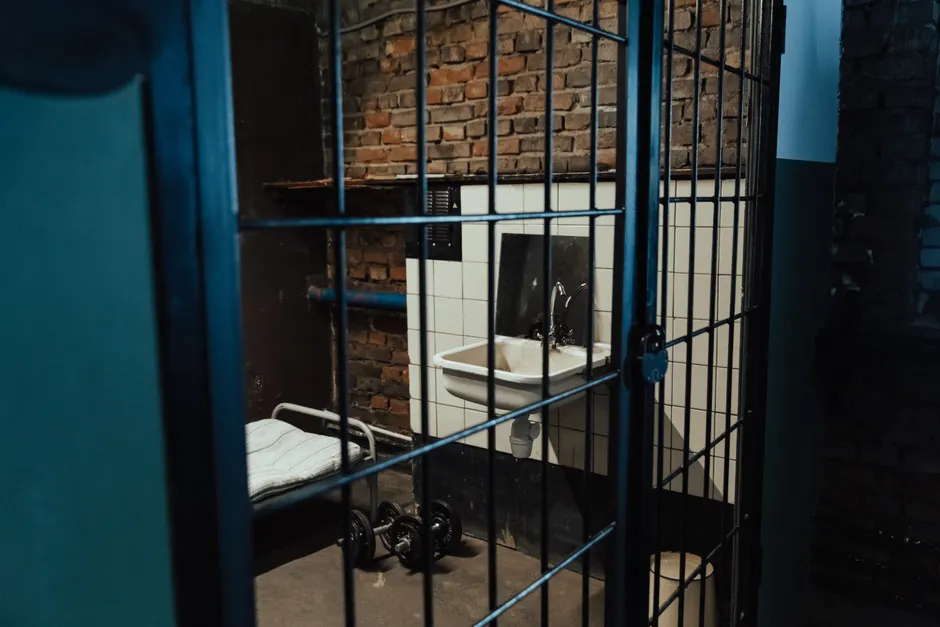
NSW Plans Nearly 1,000 Extra Prison Beds as Remand Numbers Climb

On 28 September 2026, the NSW Minns government announced it will spend $47.1 million to reopen the 515-bed Dawn de Loas correctional centre at Silverwater. The Guardian The facility is planned to reopen in early 2027.
What was announced
The government said the Dawn de Loas work, combined with more than 360 extra beds being fast-tracked at Parklea correctional centre, would add nearly 1,000 beds to prison capacity. Parklea is due to return to public hands in October 2026.
Dawn de Loas holds up to 515 male sentenced and remand inmates. Its H-block housed up to 100 remand inmates. Remand means held in custody while awaiting trial or sentence, rather than serving a final sentence.
The Silverwater site brings several custodial jobs together in one place. Silverwater Women's and Dawn de Loas correctional centres are located on the same site as the Metropolitan Remand & Reception Centre at Silverwater. Corrective Services NSW The majority of prison beds in NSW are located in regional NSW.
Why remand numbers matter
As of September 2026, NSW held 6,398 prisoners on remand. That was 46% of the state's adult prison population. Like an emergency department filling up before the wards, remand intake fills reception areas first.
NSW has tightened domestic and family violence bail laws. Serious alleged offenders must now show cause for release, meaning they must give reasons why they should not stay in custody. Registrars no longer have the power to make bail decisions in these cases.
The announcement followed the sentencing on 11 September 2026 of Daniel Billings to 28 years in jail for the 2024 murder of Forbes woman Molly Ticehurst. Speaking at Dawn de Loas on 28 September 2026, Premier Chris Minns said the prison expansion was a necessary decision to keep the public safe.
What critics say
The Public Service Association of NSW questioned reliance on extra beds alone. General secretary Stewart Little said additional beds were a response to a domestic violence crisis demanding more than extra capacity and that "we can't just arrest our way out of domestic violence".
The union called for the NSW government to run domestic violence services in-house through 15 centres across the state. It also called for compulsory diversionary programs for alleged offenders on remand and dedicated courts for domestic violence cases. Diversionary here means supervised programs aimed away from full-time custody.
The broader context here is how bail rules move through the system. Tighter bail rules increase remand intake. That intake tests reception, transport and classification systems before it tests long-term sentenced beds. A 46% remand share sharpens that strain, because unsentenced prisoners move through court escorts, legal visits and short-notice releases at higher rates than sentenced groups.
In my view, the Minns government is buying time and physical headroom while leaving the harder policy choice unresolved. Reopening an existing metropolitan site and speeding up beds at Parklea can be delivered faster than a new build. It does not alter the inflow created by show-cause thresholds and restricted bail authority. The union points the other way, toward faster movement through the system with in-house services, compulsory programs on remand and specialist lists or courts. The test will be disposal times, bail refusal rates, and whether the early-2027 reopening lines up with demand or is overtaken by it.