NSW Labor's Electoral Climb: Minns Signals Hard Fight Ahead as Factions Test Party Unity

Chris Minns delivered a blunt assessment at NSW Labor's state conference on 4 July 2026: his government faces a steep electoral climb to hold power at the March state election, with One Nation's rising support in the upper house a concrete threat to the party's margins.
The conference at Sydney Town Hall opened to a standing ovation, but disruption followed quickly. Two men unfurled a Palestinian flag from the balcony as Minns approached the podium and were removed by police. Outside, Labor Friends of Palestine and other protesters were separated from the building by security fencing — a visible reminder of internal divisions over protest laws and Middle East policy. Minns acknowledged the tension directly. "They are not the first to try and disrupt our democratic conference and they probably won't be the last," he said, according to The Guardian.
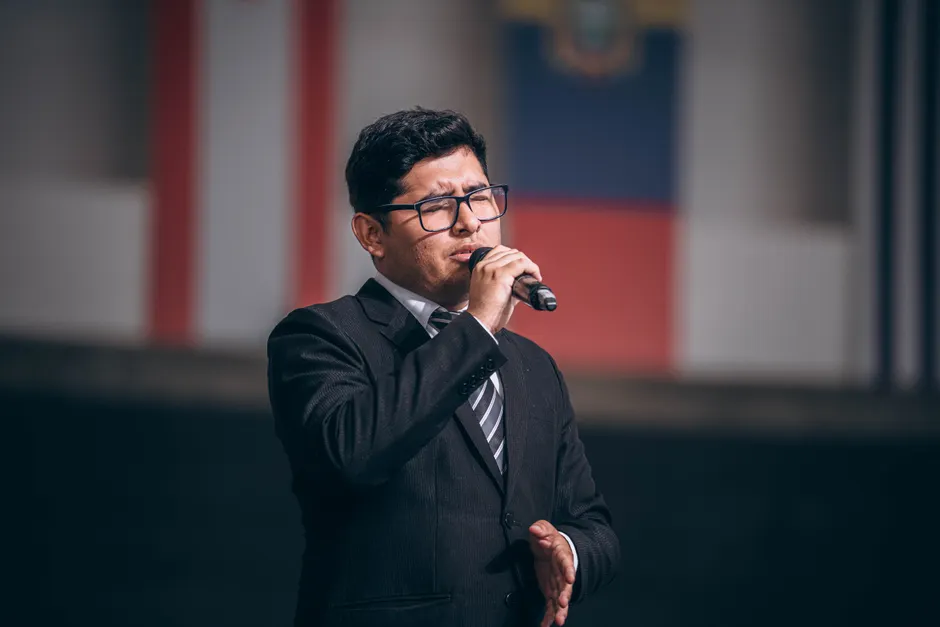
His keynote was notably self-critical for a serving premier with several months remaining before an election. "I'm not here to do a victory lap," Minns told delegates, emphasizing that the economy remains "nowhere near where we need it to be for working families." This language reflects a pattern common among Labor governments balancing cost-of-living pressures against member expectations on policy.
The Hunter Manufacturing Commitment
Minns announced a $12 billion, 15-year investment to establish train manufacturing in the Hunter region, with Teralba and Broadmeadow flagged as potential sites. The government projects 780 construction jobs and 550 permanent manufacturing roles, alongside an expansion of the state's apprenticeship scheme.
The Hunter pledge is strategically layered. The region has experienced decades of industrial decline, and the "state-owned, privately operated" model is a deliberate choice: it retains public ownership of assets while contracting operations to a private operator. This structure typically draws less union resistance than outright privatization while avoiding the fiscal burden of direct government management. Whether job projections hold up under actual procurement scrutiny is unknowable at announcement; what matters politically is anchoring the pledge to specific locations and figures.
Ticket Drama and Upper House Math
The harder conference work occurred in factional negotiations. The party's eight-person upper house ticket was settled in an 11th-hour Friday deal, avoiding a floor fight. Right faction Treasurer Daniel Mookhey leads the ticket, with left faction upper house leader Penny Sharpe in second.
The fourth position is where tensions surface. Anthony D'Adam MLC, a left faction member, has been a consistent internal critic of the government's stance on protest laws, the AUKUS nuclear submarine agreement, and Middle East policy. His placement is secure enough to survive a normal swing, which gives him room to continue those critiques without immediate electoral risk. Agriculture Minister Tara Moriarty sits seventh — a precarious spot. If One Nation's upper house vote share rises, quota mathematics punish candidates that far down a Labor ticket. Minns's "climb Everest" language amounts to a warning about exactly this kind of exposure.
The Agenda Question and Deeper Rifts
Internal friction spilled into the open over the conference schedule itself. Fifty-six Labor branches passed motions calling for repeal or review of the government's anti-protest laws, with the left faction in support. Delegates objected to protest laws, gambling reform, and AUKUS being placed second-to-last and last on the agenda — a sequencing that risks those items being compressed or dropped due to time.
The grievance is ostensibly procedural, but the substance is sharper. Protest laws have become a flashpoint because their enforcement is now visible at Labor events themselves — police separating members from their own conference is an image the left faction considers politically corrosive. AUKUS carries its own weight: it touches defence policy, the US alliance, and a faction historically wary of nuclear-adjacent commitments.
Minns held the room, but the conference laid bare the maintenance work Labor's coalition requires. One Nation's electoral threat is concrete and measurable through preference data. The internal tensions over civil liberties and foreign policy run deeper, because they hinge on values rather than electoral arithmetic alone.