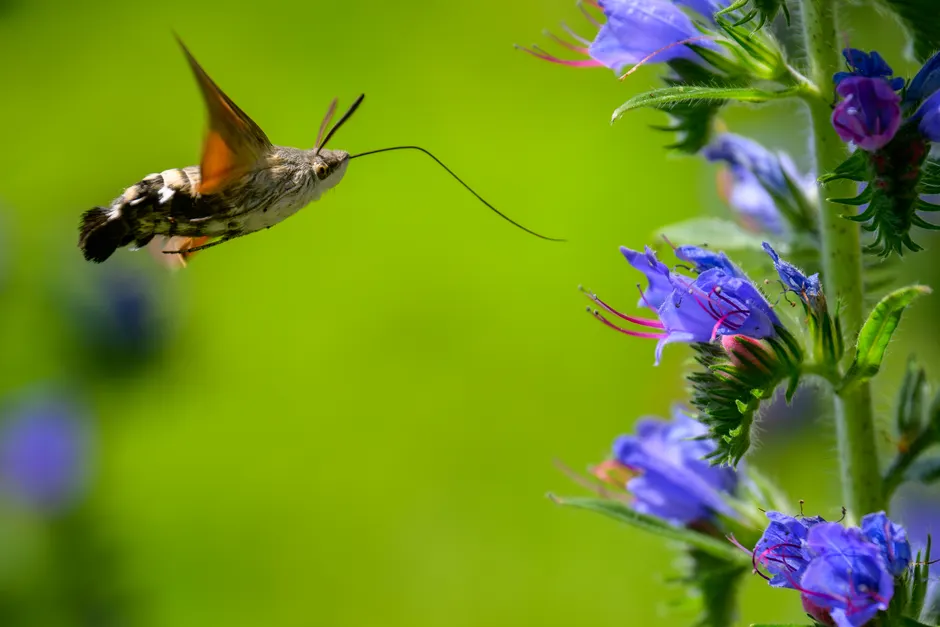
Bogong Moths Swarm Coastal NSW in Strongest Showing in Years

Huge swarms of bogong moths appeared across coastal New South Wales in the days before 28 September 2026. The Guardian
Hundreds of coastal sightings were posted over the weekend to the Bogong Watch iNaturalist page, the public platform where people log wildlife records. Three NSW households each reported dozens of moths on Monday 28 September 2026, while one Bogong Watch sentinel, a volunteer who counts regularly, recorded more than 200 bogongs on Sunday night.
The reports clustered in Sydney, Illawarra and the Central Coast, with additional sightings across Sydney and the NSW south coast during the annual migration south. The Nightly Experts said the large 2026 numbers were concentrated in NSW and the Australian Capital Territory. Victoria is lagging.
Bogong moths migrate up to 1,000 km each spring to cool caves in the Australian Alps to spend the summer in dormancy, a summer rest known as aestivation. The moths are about the size of an Australian 50-cent piece and weigh a third of a gram, with adults around 3 cm long. Each female can lay up to 2,000 eggs. The Guardian
Bogong moths are pollinators and a key food source for the critically endangered mountain pygmy possum. Alpine numbers therefore affect much more than moths gathered around porch lights.
Monitoring rests largely on citizen science, observations gathered by volunteers. Bogong Watch, run by Invertebrates Australia, coordinates dozens of volunteers around Mount Kosciuszko who use non-lethal bug lanterns to monitor moths. Zoos Victoria runs a parallel program called Moth Tracker. Moth Tracker received more bogong sightings in September 2026 alone than in all of last year, according to Dr Marissa Parrott.
An estimated 4 billion bogong moths arrived in the Alps each year before the population collapsed by up to 99.5% between 2017 and 2019. The species has been listed as endangered by the International Union for Conservation of Nature since 2021, with formal addition to the IUCN Red List, the global list of species at risk, in December 2021. It is not listed as a threatened species under Australian federal conservation laws.
Older mass arrivals show former scale. During the closing ceremony of the Sydney Olympic Games in 2000, a swarm drawn by stadium lights was so large that weather forecasters mistook it for a rain cloud. La Niña rains, wetter periods tied to a Pacific climate cycle, later helped numbers recover from near-extinction, with a December 2022 report finding the population had started to bounce back but remained fragile. The Guardian As of March 2026, moths had started to make a partial recovery, although numbers remained well below previously recorded levels. The Guardian
The broader context here is uncertainty about whether one strong spring in one part of the range means lasting recovery. A concentration in NSW and the ACT, with Victoria behind, points to uneven migratory pathways or breeding success rather than a uniform rebound. The questions now are survival through alpine aestivation, later breeding output, and whether volunteer networks can turn public enthusiasm into steady year-to-year data. The September pulse is encouraging, but it does not yet resolve the fragile status documented since 2022.