Theatre as Testimony: How Gathoni Kimuyu's *Free Me* Tackles Gender Violence in Kenya
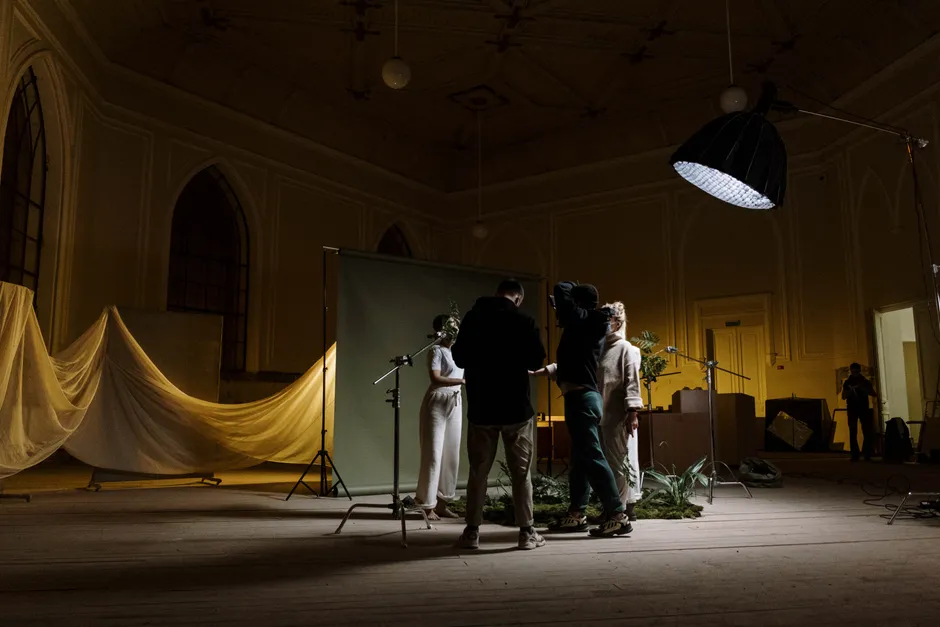
Gathoni Kimuyu has created a theatrical production drawn from her own experience of gender-based violence, using her personal story as a vehicle for public conversation. The play, Free Me, is produced under the banner of Taji and Co Ltd and has been framed by its creators as theatre as activism, healing, and release.
Kenya's landscape of gender-based violence (GBV) gives the work its context. The country has among the highest rates of intimate partner violence in sub-Saharan Africa according to survey data, yet prosecution rates remain low and support services for survivors are chronically underfunded. Questions around how to address GBV have been contested in Kenya's public sphere for years — through court cases, parliamentary debates, and periodic waves of public attention following high-profile murder cases. Theatre has historically served as a space where social issues can be explored and audiences educated, from Ngugi wa Thiong'o's community theatre in the 1970s to contemporary companies using performance to reach audiences that courts and news media do not.
Free Me works within that tradition but builds its power from the specific. Kimuyu's choice to construct the production around her own GBV experience rather than a fictional or composite narrative carries particular weight: survivor testimony in performance form creates a different kind of engagement with the material than journalism or documentary film. A December 2025 review in Sinema Focus described the play as exploring GBV in Kenya through an autobiographical lens, noting its thematic reach.
The fact that Kimuyu is working through a structured production company rather than as an independent artist or NGO project matters for how the work moves in the world. Companies tend to maintain touring schedules more consistently than one-off productions, attract co-producers, and get booked into school and corporate programming — all of which affect how many people see the work and for how long it circulates.
In Kenya's theatre landscape, the combination of personal narrative, social critique, and professional production infrastructure is still relatively uncommon. Advocacy-driven work often lacks adequate funding, while commercially focused productions tend to avoid politically charged subjects. Free Me attempts both simultaneously — a difficult balance to achieve, but one that widens the potential audience beyond those already engaged with activist art.
Kimuyu functions as both producer and the source of the story itself. This concentration of role creates both creative risk and institutional risk in one person, but it also gives the work an authenticity that externally produced narratives about GBV often lack. The central question for any theatre production that deals with real trauma is whether the theatrical framework — the choices about staging, performance, and how the audience is guided through the experience — can hold the emotional weight of lived experience without turning it into something abstract or abandoning viewers with unprocessed feelings. The Instagram reel published in September 2025 indicates the production team is aware of this tension, explicitly naming both release and activism in how they describe the work.
Scholar-critics working on GBV theatre in African contexts have identified a recurring problem: when does art by survivors create real community dialogue, and when does it risk retraumatising the artist or turning trauma into entertainment? Free Me's reception, and what Kimuyu and Taji and Co Ltd pursue with the production next, will add to what we know about how to navigate that terrain.


