SpaceX Flight 14: First Planned Orbital Starship Test on Sept. 28
The flight plan
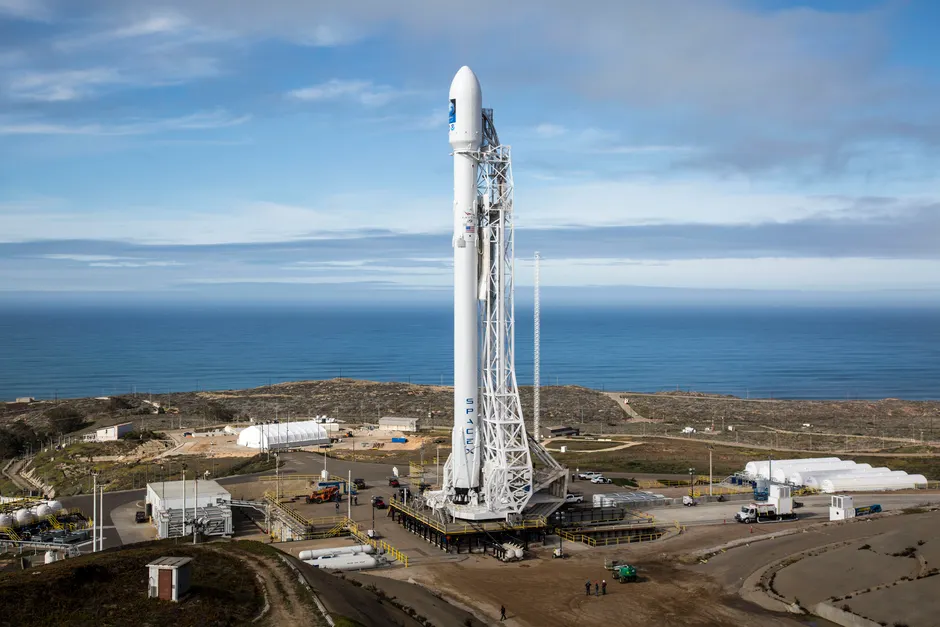
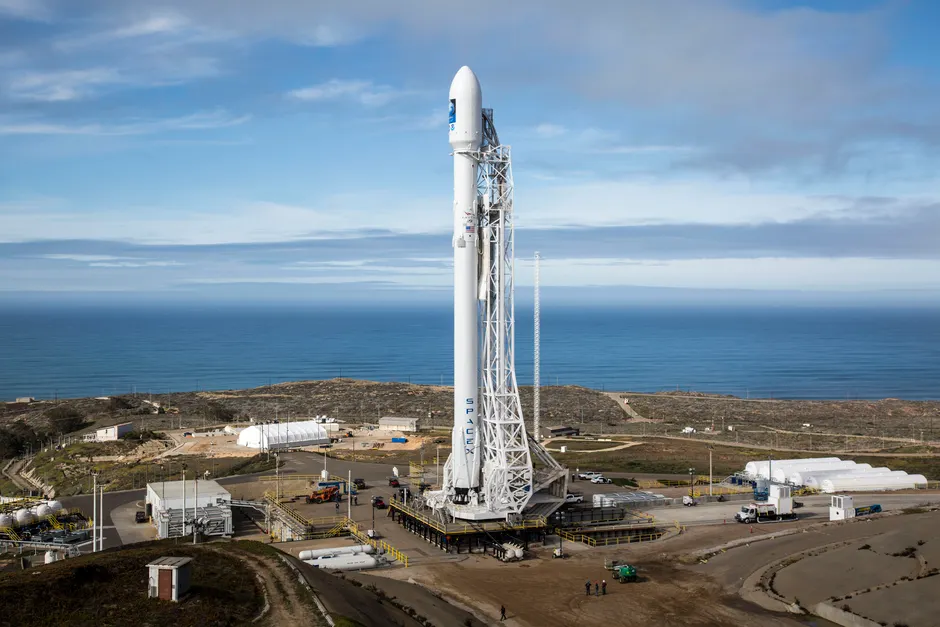
SpaceX lists Sept. 28, 2026, for Starship Flight 14, a Starship launch from Pad 2 at Starbase in Texas in an expended configuration.
Expended means single-use. The hardware is not recovered after launch.
The flight has a 75-minute launch window opening at 7:15 a.m. CT, according to the mission page SpaceX. The company states the vehicle is preparing to launch as soon as Monday, Sept. 28, pending regulatory approval. Independent coverage lists a NASASpaceflight webcast starting Sept. 28 at 4:15 a.m. EDT (0815 GMT) Space.com.
SpaceX states Flight 14 is the 14th flight of Starship. The company plans it to be the first flight to send Starship into orbit around Earth. Orbit means a full loop around the planet at speed, high enough and fast enough to keep circling without constant thrust — like a stone thrown so fast it keeps missing the ground.
Flight 13 lifted off from Starbase, Texas, on July 24, 2026, at 5:51 p.m. CT. Flight 12 lifted off from Starbase, Texas, on May 22, 2026, at 5:30 p.m. CT.
The broader context here is pace. Two orbital-class test flights about two months apart, followed by another attempt about two months later, points to sustained pad turnaround, range coordination and hardware flow.
The hardware
SpaceX refers to the Starship spacecraft and Super Heavy rocket collectively as Starship. The system is described as a fully reusable orbital launch system Reuters. Flight 14 is listed as expended. Hardware is not recovered.
SpaceX caught the returning Super Heavy booster back at the launch site during a test flight. Chief executive Elon Musk has said the company would fly a bigger, fully reusable version of Starship in 2026. The manifest entry for Sept. 28, 2026 does not specify that larger variant SpaceX launches manifest. It specifies Pad 2 and expended configuration.
All development, manufacturing, testing and launch of Starship takes place at Starbase in Texas. SpaceX describes Starbase as home to its headquarters and as one of the world's first commercial spaceports designed for orbital missions. The company states launches from Starbase will provide access to destinations in Earth orbit, the Moon, Mars and beyond.
The money question
The broader context here is capital intensity meeting flight rate. SpaceX has spent more than $15 billion developing its fully reusable Starship Reuters. An expended orbital attempt writes off a full stack. That is a deliberate trade. It buys performance margin and simplifies recovery constraints for a first orbital insertion attempt.
Looking at what this means for launch economics, success divides cleanly. Orbital insertion and controlled flight duration cover the revenue side: payload delivery to orbit, on-orbit operations, and deorbit or transfer capability. Booster or ship recovery covers the cost side: refurbishment interval, hardware life and cost per kilogram. Flight 14, as manifested, tests the first without proving the second. Frequent flights spread fixed Starbase costs over more launches and generate flight data faster, but each expended flight consumes working capital in steel, engines and labor.