Starship's First Orbit Try: Sept. 22 Flight to Carry 26 Satellites

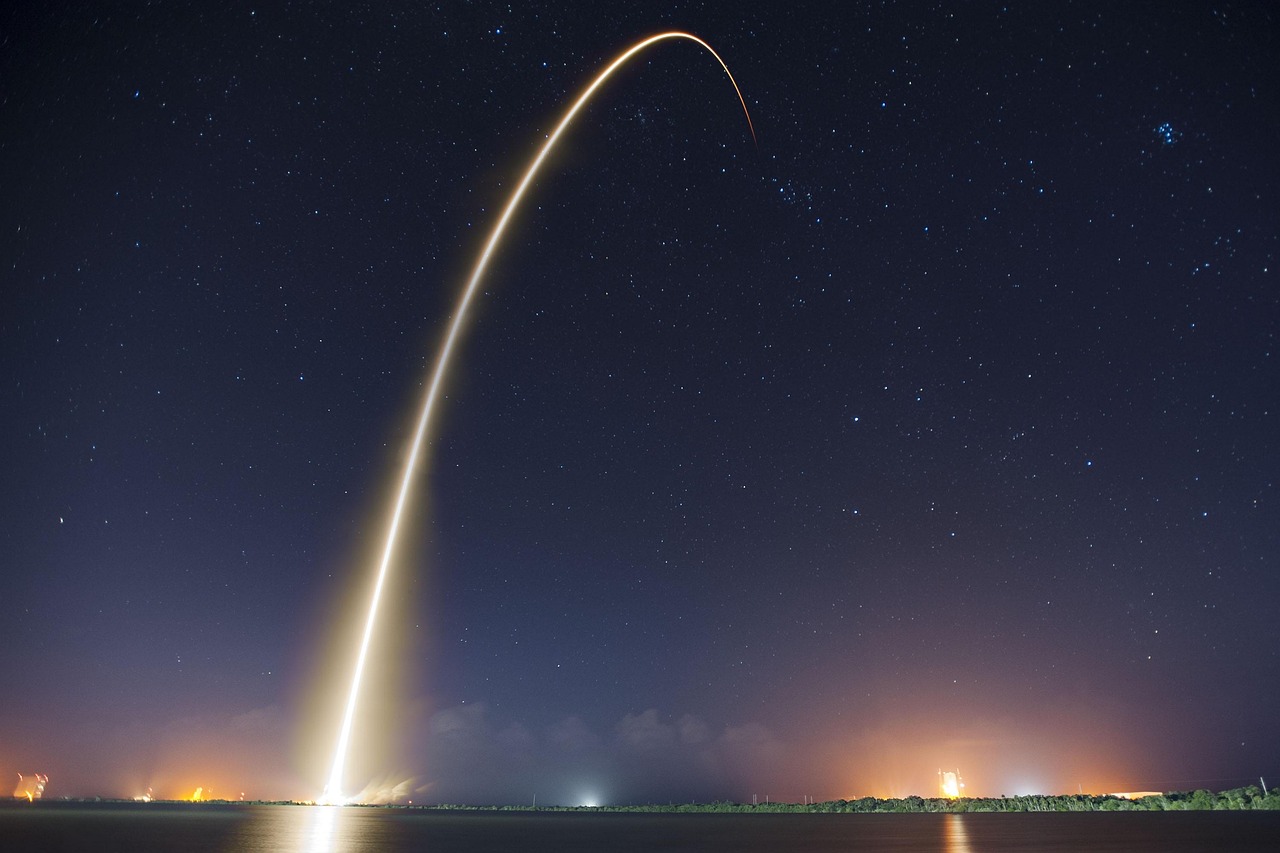
SpaceX plans to launch Starship on Sept. 22 in its first attempt to reach orbit. The flight is expected to last about 10 hours and deploy 26 Starlink satellites Space.com.
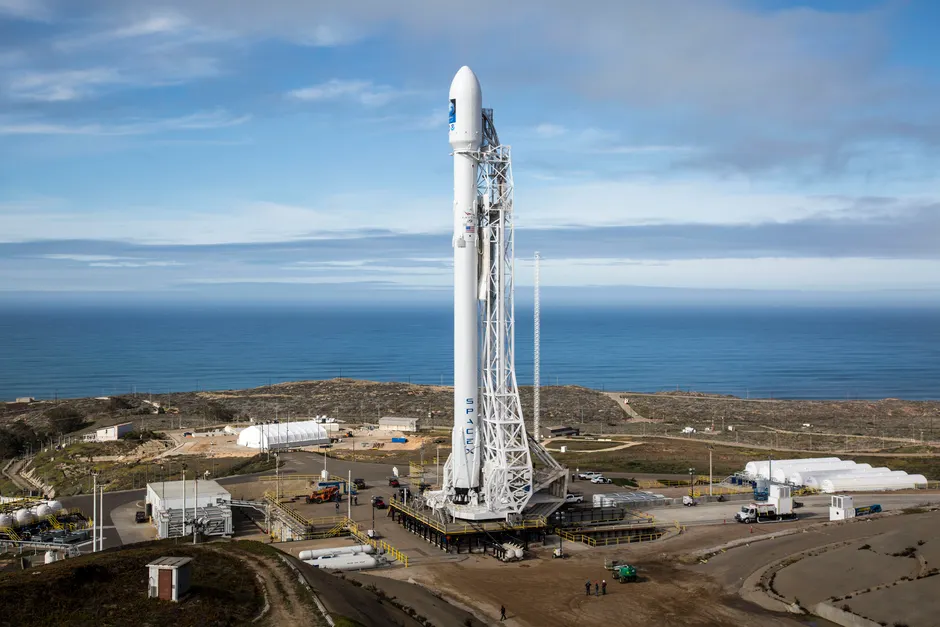
SpaceX defines the system as two stages together: the Starship spacecraft on top and the Super Heavy booster below, collectively called Starship SpaceX. The company describes it as a fully reusable transport system, meaning both parts are built to fly again, designed to carry crew and cargo to Earth orbit, the Moon, Mars and beyond. In fully reusable form it is designed to carry more than 100 metric tonnes to orbit. A metric tonne is 1,000 kilograms. The combined stack is listed at 124 m tall and 9 m in diameter.
Starship is the upper stage and the spacecraft. It is listed at 52 m tall, with 1,600 tonnes of propellant capacity and 1,614 tf of thrust. Tf stands for tonnes-force, a measure of push. It has six engines: three Raptor engines for use at sea level and three Raptor Vacuum engines, a version tuned to perform better in space.
Super Heavy is the first stage, the booster. It is listed at 72 m tall, with 3,650 tonnes of propellant capacity and 8,240 tf of thrust. It is powered by 33 Raptor engines that burn sub-cooled liquid methane and liquid oxygen, fuel chilled to pack more into the tanks. Thirteen engines in the center can pivot to steer, with 20 engines fixed around the edge of the booster's aft, or rear, end. The booster is designed to return to the launch site to be caught by the launch tower and then rapidly reused.
The engine cycle is staged combustion, a method that routes hot gases through the engine in steps to get more power. SpaceX describes Raptor as a reusable methane-oxygen staged-combustion engine with twice the thrust of the Merlin engine on Falcon 9. For crew transport, the company states Starship will be able to carry up to 100 people on long-duration, interplanetary flights.
Licensing sits alongside the hardware. The FAA requires SpaceX to apply for and obtain an experimental permit or permits and/or a vehicle operator license for the Starship Super Heavy project at the Boca Chica Launch Site FAA. At Kennedy Space Center, the FAA requires a new license or a change to an existing license for Starship-Super Heavy launch and landing. The agency has issued a license modification authorizing Starship Flight 8. Its 2022 programmatic environmental assessment authorized up to five suborbital Starship launches per year. A suborbital flight goes to space but does not circle Earth. Its January record of decision for LC-39A states that finishing the environmental review does not guarantee a license.
SpaceX's launches page also lists a Starlink mission dated Sept. 6, 2026.
The broader context here is how test risk and commercial manifest are being combined. A fully reusable lift of more than 100 tonnes shifts the unit economics from throwing away hardware each launch to turnaround, pad availability and flight rate. Placing 26 revenue-linked satellites on an orbital test flight uses internal demand to absorb test capacity. The 10-hour duration also points to on-orbit operations beyond ascent and insertion, including deployment sequencing and extended vehicle monitoring.
Looking at what this means for planning, the schedule variable is regulatory cadence as much as propulsion. Tower catch ties rapid reuse to specific ground infrastructure. Environmental review and licensing are distinct approvals. For investors tracking capital intensity, the questions are throughput per pad, time between catch, refurbishment and relaunch, and whether license modifications keep pace with iteration.