A £2 Million Cost Jump Threatens a Birmingham Community Housing Project

A housing co-operative in Birmingham faces collapse after its partner housing association added £2 million to construction costs, making the project financially unworkable. The Stirchley Co-operative Development — planned as a mixed-use scheme combining business space and homes in south Birmingham — has stalled, The Guardian reported on 24 June 2026.
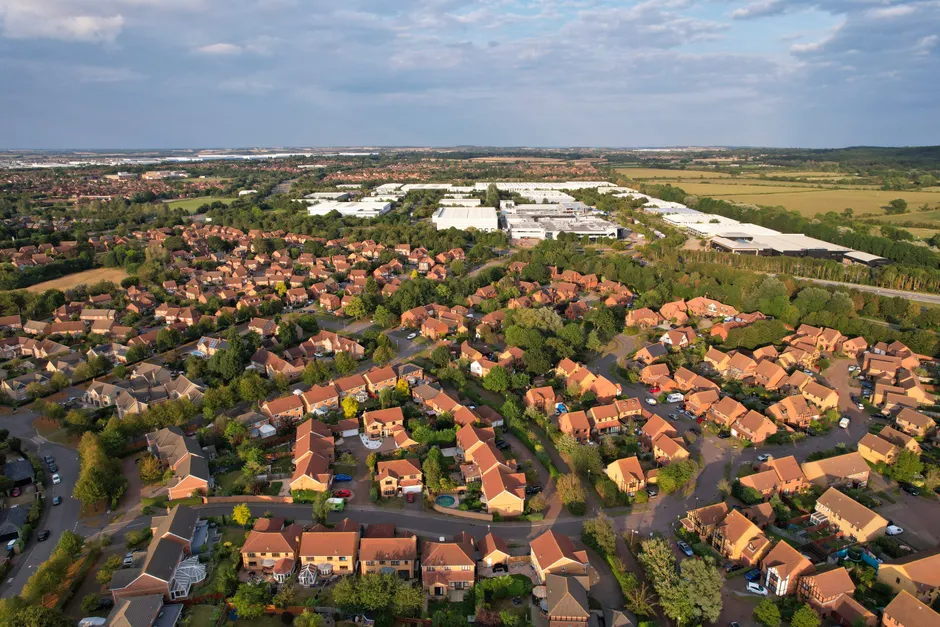
The project was positioned to succeed. Birmingham City Council's Stirchley Framework Supplementary Planning Document explicitly targeted the area for mixed investment — retail, leisure, offices, homes, services, community facilities — and the city's Development Plan permits specialist housing models including co-operative schemes. Planning permission existed. The policy ground was prepared. Then the numbers changed.
In March 2026, Place Midlands reported that GSA (the housing association partner) withdrew its offer after the co-operative could no longer absorb the revised costs. A £2 million gap on a community project is not marginal. These schemes operate on tight budgets; they depend on locked-in cost agreements to secure financing from lenders and housing bodies. When costs jump late in the process — after design is finished and planning approval is in place — a co-operative has few options to renegotiate or find new money. Grant funding, which typically anchors these projects, is tied to specific targets and deadlines; a sudden cost revision can invalidate the entire business case and trigger clawback clauses, meaning funders may demand repayment rather than simply topping up.
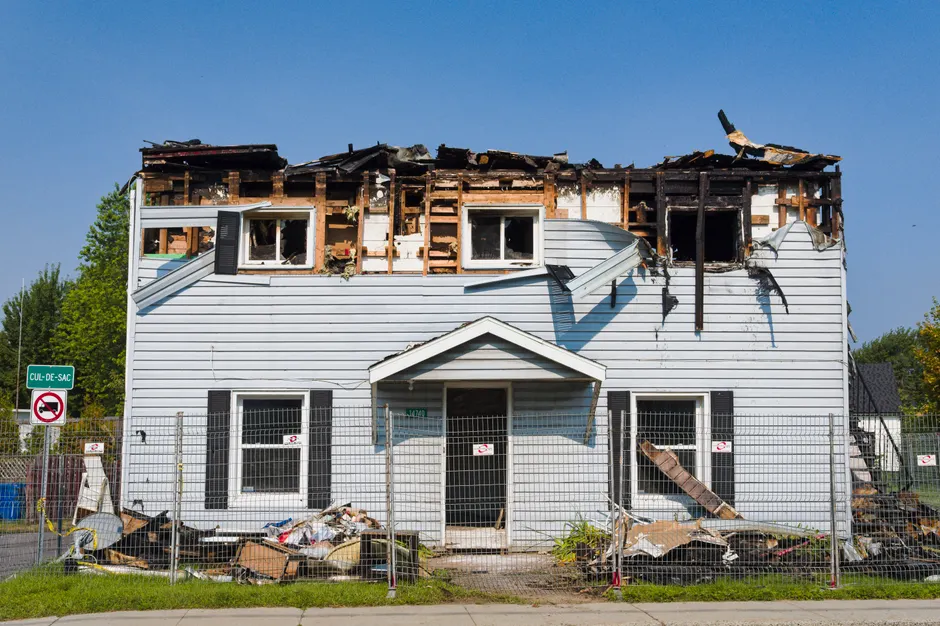
The practical fallout extends beyond spreadsheets. People connected to the scheme — some planning their housing futures around it — now face housing uncertainty. The Guardian's reporting documents anxiety about potential homelessness for residents who made life decisions on the expectation of completion.
The broader context matters here. Across England, community-led housing has encountered the same structural problem: construction costs rising faster than grant funding keeps pace. Since 2022, Homes England grants have lagged behind actual building prices, and smaller organisations lack the buying power to absorb the difference. What makes Stirchley notable is that the cost increase appears to have come from within the partnership itself rather than from market pressures — a detail that invites scrutiny about the original contracts and due diligence.
Salvage routes exist but are narrow. An emergency grant from Homes England or the West Midlands Combined Authority, a renegotiated price from GSA, or a restructured ownership model that reduces the co-operative's risk exposure could work — but none is simple, and delay compounds the damage: holding costs, planning permissions that lapse, and communities that drift away.
Birmingham's planning policy created the conditions for a scheme like this to work. What may fail is the financial architecture and partnership governance. A reminder that supportive planning rules and actual delivery viability are not the same thing.