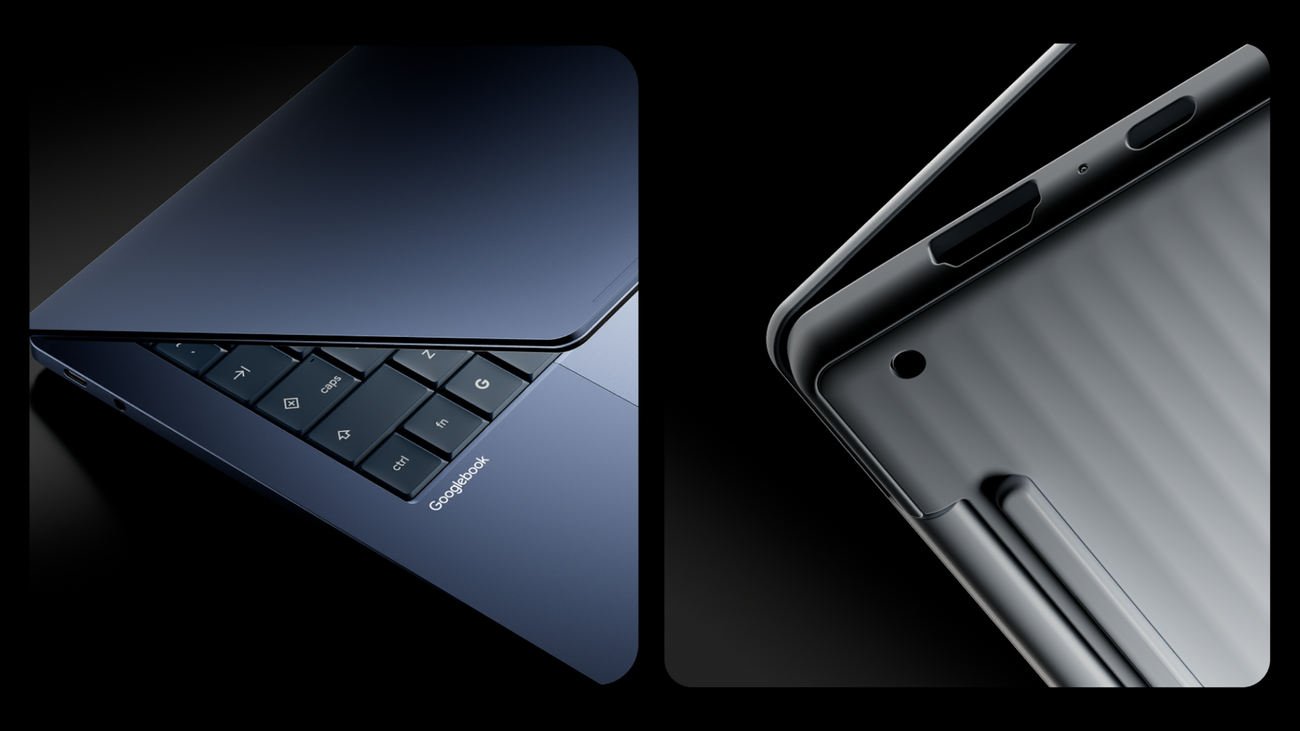
ChromeOS Has an End Date: 2034 and the Move to Googlebook

Google will keep issuing ChromeOS updates and security patches until mid-2034 as it shifts to Googlebook OS. Engadget That date is the end of the line for the current platform.
Google promises 10 years of support for Chromebooks. Engadget For some devices, that 10-year window will be cut short by the 2034 phase-out. Tom's Hardware The clash only affects hardware that would otherwise stay supported past the cutoff.
Google says it will support the move to Googlebook OS for qualifying devices whose 10-year life runs past 2034, with many offering a direct switch on the same hardware. Engadget The pledge was laid out in a support document updated on September 22. Google Support The wording centers on continuity for machines people already own, not just new sales.
Many of the newest Chromebooks will be eligible to make the switch. Engadget Google has not published a model-by-model eligibility list so far. That eligibility decides whether an IT team can upgrade machines where they sit or must buy replacements.
Googlebook laptops run on an operating system based on Android. Engadget Google introduced Googlebook as a new laptop category built for Gemini Intelligence, its AI features. Google Blog The laptops are designed to sync with Android phones. Google Blog For administrators, that foundation matters. Settings, app packaging and login systems will follow Android rules rather than ChromeOS ones.
The first Googlebook laptops arrive on October 4. Engadget Management tools for them arrive much later.
Google plans to release the first Googlebook OS management features for business and school users in the second half of 2027. Engadget Schools and enterprises are the core Chromebook buyers. Until those controls ship, early Googlebook hardware will sit outside the normal way fleets are managed.
Looking at fleet planning, the calendar now has three anchors. October 4 starts hardware availability. The second half of 2027 starts centralized management. Mid-2034 ends ChromeOS patching. A buyer can map purchases to those dates. A device bought today whose life crosses 2034 needs a clear migration path, or it becomes a planned replacement.
The broader context here is lifecycle risk. A 10-year promise makes budgeting and refresh cycles simple. A fixed end date makes it harder. Direct migration, where offered, keeps it simple. IT can carry enrolled hardware forward without wiping fleets or retraining support staff. Where migration is not offered, 2034 becomes an earlier retirement date.
In my view, the gap to watch is October 2026 hardware against second-half 2027 management. Early users will test app compatibility, accessories and phone sync. Regulated schools and companies will wait. That pattern is normal in a platform shift, and the long ChromeOS tail gives them time. Worth flagging, Google is pointing toward one Android-based laptop system with phone sync and central control. If the migration tools work as described, customers keep usable hardware and change systems without replacing everything at once. That would stretch device life in practice, not just on paper.