Aurora Plans 30,000 Self-Driving Trucks and $5 Billion Revenue by 2030
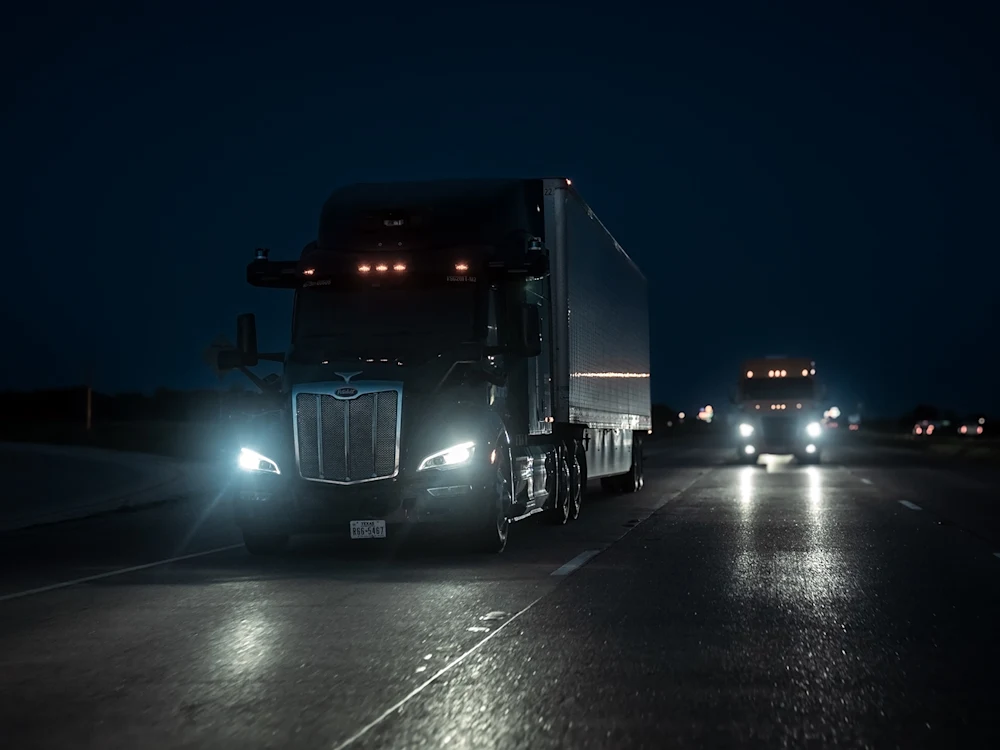
Aurora expects to have more than 30,000 self-driving trucks on the road generating $5 billion in yearly revenue by the end of 2030. The target was laid out at its annual analyst and investor day on September 23, 2026, and chief financial officer David Maday gave more detail in an interview published September 28. Aurora
For the near term, Aurora expects to end 2026 with 200 driverless trucks and an $80 million revenue run rate, meaning its current sales pace measured as a yearly figure. It then expects to pass 1,000 trucks a year later. Shares closed down 12.42% to $5.29 on the Monday after the investor day. TechCrunch
Maday told TechCrunch the 30,000-truck target is not aspirational. "I think we can do it," he said. His math rests on truck supply. The four major truck makers build between 250,000 and 300,000 new trucks per year, so 30,000 trucks fitted with the Aurora Driver system would take only a small share of annual output.
The business model has to change to reach that scale. Today Aurora runs a transportation-as-a-service pilot, in which it provides the transport and charges per mile. Customers including Detmar Logistics, Hirschbach, McLane and Werner pay about $2 per mile including a fuel surcharge. Aurora says that model will be capped at about 500 trucks. The next phase is driver-as-a-service. A carrier will buy the self-driving truck outright and pay Aurora about $0.85 per mile for the driving software. Aurora expects to reach breakeven gross margins, or cover its direct costs, on a run-rate basis in the first half of 2027 with about 500 trucks on the road.
On hardware, Aurora launched second-generation driverless trucks in the U.S. on July 22, 2026. Its third-generation autonomous hardware will be built in volume by partner Aumovio, formerly known as Continental, by the end of 2027. On geography, Aurora expects to expand from a few states in the South to most of the continental U.S. by 2030. In February its trucks traveled nonstop on a 1,000-mile route between Fort Worth and Phoenix, going further than a human driver can under hours-of-service limits, the federal rules on driving time.
Aurora started commercial driverless trucking in Texas on May 1, 2025, added day and night driverless operation that August, and partnered with McLeod in September 2025 to simplify adoption. In July 2025 it planned to have tens of driverless trucks running by year-end and hundreds by the end of 2026. TechCrunch Mobility noted in September 2026 that Aurora has emerged from the building stage. Robotaxis for ride-hailing remain on the roadmap, though trucks stay the commercial focus through 2030.
The broader context here is unit economics versus fleet math. In my view the shift from $2 per mile fully bundled to $0.85 per mile for the driver alone is the number to watch. It moves vehicle buying, fuel, insurance and downtime risk to carriers, while leaving Aurora with software income if carriers can run those trucks harder than human fleets can. Thirty thousand trucks is large for autonomy and small for heavy Class 8 trucking, and the constraint is less factory capacity than proving the Aurora Driver on new lanes, weather and rare road cases fast enough to fill it, and holding the $0.85 fee when carriers weigh it against driver wages saved.


