Hungary Lifts Immunity for Prime Minister and Two Ex-Ministers

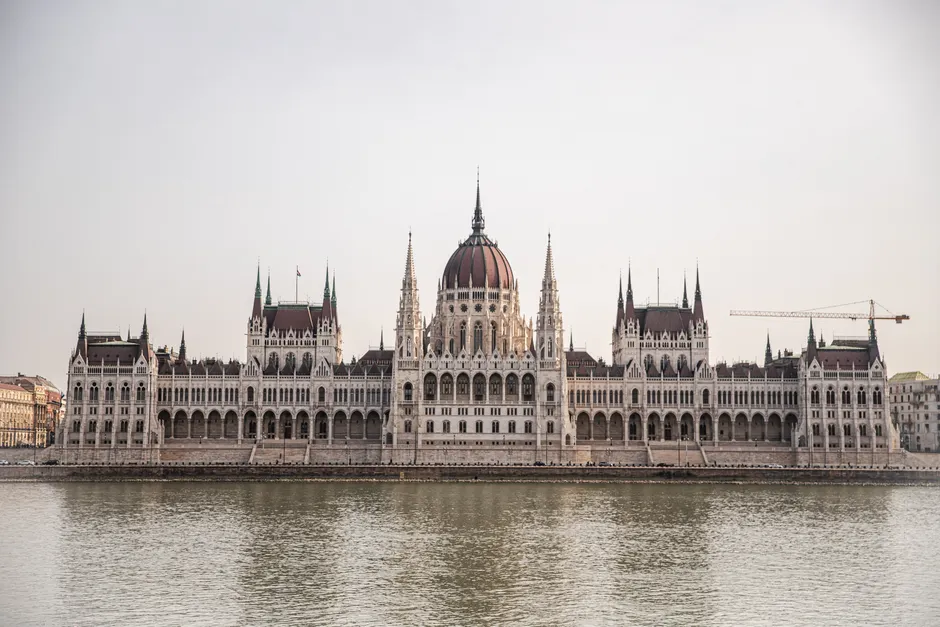
Hungary's parliament voted on September 28, 2026, to lift the parliamentary immunity of Prime Minister Peter Magyar and two former ministers who served under Viktor Orban. The decision clears the way for prosecutors to pursue separate criminal investigations into all three men. Al Jazeera
Parliamentary immunity is a legal shield that stops lawmakers from being investigated unless parliament agrees to remove it. The vote was 139-0 in favour of lifting immunity for Magyar, former Minister of Culture Balazs Hanko and former Minister of National Development Miklos Sesztak. DW Legislators voted overwhelmingly in favour. Viktor Orban's Fidesz party and its ally KDNP boycotted the session.
Prosecutors made the request last week. They asked parliament to suspend immunity so the investigations could proceed. Magyar asked for his own immunity to be lifted to clear himself of the allegation.
The case against Magyar concerns theft. Prosecutors allege that during a June 2024 incident at a Budapest nightclub, Magyar took a mobile phone from a man filming him and threw it into the Danube River.
The cases against the two former ministers involve much larger sums. Hanko, who served as minister of culture under Orban's government and is identified as the former Culture and Innovation Minister, is accused of embezzling, or stealing for personal use, more than 40 million euros in public funds.
Sesztak is under investigation for allegedly accepting more than $37.2 million in bribes and kickbacks connected to vehicle purchases for the state bus company and state construction projects.
The votes occurred less than six months after Magyar's Tisza party ended Orban's 16 years in power with a landslide election victory. In June, Magyar had proposed a constitutional amendment to remove President Tamas Sulyok from office.
The broader context here is a new government trying to establish accountability on two fronts at once. A sitting prime minister submitting to a criminal probe can strengthen claims that prosecutors are acting independently. Parallel proceedings against ministers of the prior government can be read very differently by their supporters.
Looking at what this means for Hungarian politics, much will turn on process and separation. The three investigations are legally distinct, with different alleged conduct, different timeframes and different evidentiary burdens. Whether parliament, prosecutors and courts keep them clearly distinct in public communication will shape how domestic audiences and European institutions assess the process. The boycott by Fidesz and KDNP signals that the political contest over legitimacy will run alongside the legal one.