U.S. and Japan Say the Yen Is Too Weak — Why 160 Matters

Japan Finance Minister Satsuki Katayama and U.S. Treasury Secretary Scott Bessent agreed in a Sept. 25 call that the yen is undervalued and that is a concern. Ministry of Finance
Undervalued means the yen is trading weaker against the dollar than Japan's economic strength would suggest. A weak yen lifts the cost of imports for households and firms.
Bessent later said he and Katayama discussed wanting a strong yen that fits Japan's strong economic fundamentals. Fundamentals means basics like growth, jobs and prices. Bloomberg That wording goes further than their Aug. 31 joint line, when Japan's finance ministry said keeping yen moves orderly is needed for stable world markets.
That Aug. 31 meeting ended with a pledge to keep coordinating for orderly yen moves seen as vital for world market stability. Reuters The two sides had already agreed after their May 12 meeting that excess swings in exchange rates are unwanted. Excess volatility means sharp, disorderly price jumps. The September statement keeps the coordination pledge but adds a clear view on value. It says the yen should be higher.
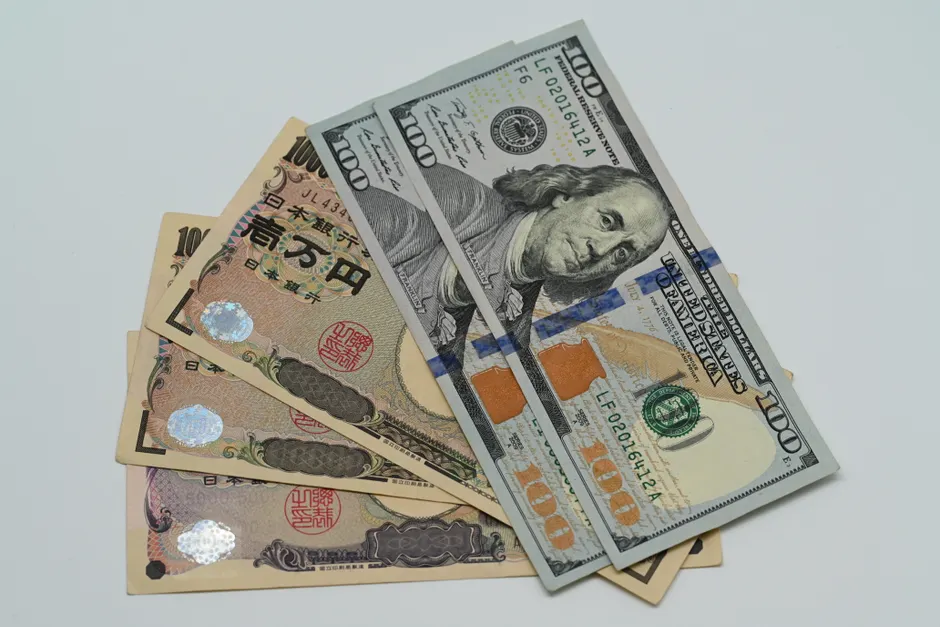
The level is central. On Aug. 31, the dollar stood at 159.75 yen, close to 160. That 160 mark is seen as raising the odds of yen-buying intervention, when the government buys yen to support it. Reuters That same day, Bessent said he believes Japan will take action leading to a stronger yen. The yen had briefly weakened to about 161.9 late on a Monday, as reported on June 22. That June report said Japan spent a record 11.7 trillion yen ($72.44 billion) intervening in currency markets.
U.S. pressure has run through budgets and rates as well as currency words. Sources said Bessent repeatedly urged Japan to tighten fiscal policy, meaning borrow and spend less, and to have the Bank of Japan raise interest rates, the cost of borrowing. Reuters After the May meeting, Katayama declined to say whether Bank of Japan policy was discussed with Bessent. Japan also said President Donald Trump told Prime Minister Takaichi he is concerned about a weak yen. Reuters
The September call follows steady contact. Bessent told Katayama of his strong confidence in the U.S.-Japan alliance, according to an Oct. 28, 2025 Treasury readout. He held a finance ministerial meeting that included Katayama on Jan. 12, and thanked Katayama for Japan's leadership on energy and financial issues after April 16 talks, according to Treasury readouts of those meetings.
The broader context here is a shift from process language to valuation language. Orderly moves and excess volatility are standard G7 phrases. They call for calm conditions without backing a specific rate. Saying the yen is undervalued and a strong yen is desirable narrows Tokyo's room to live with decline. It also puts the policy mix in view, with Washington tying a stronger currency to less borrowing and tighter home rates.
In my view, trading desks will read this as joint cover for action near 160 rather than a precise trigger. The 159.75 price on Aug. 31, the earlier print near 161.9, and the record intervention spending sketch the tolerance zone without fixing it. A pledge to coordinate for orderly moves keeps choice over timing and tool, whether finance ministry buying, Bank of Japan policy, or budget signals. The risk for prices is lopsided. Further weakness invites a joint statement and then operation. Strength that matches fundamentals draws no objection.