Alamata Captured as Fighting in Northern Ethiopia Breaks the 2022 Ceasefire

The Tigray Peace Force said it had captured Alamata jointly with the Ethiopian national army on Sept. 29, 2026.
Alamata lies about 120km south of Mekelle, the capital of Tigray. Reuters verified video showing soldiers carrying Ethiopian flags walking through the town, according to the Sept. 29 report. Al Jazeera
Fighting across northern Ethiopia intensified in the week before Sept. 29 between Prime Minister Abiy Ahmed's federal government and the Tigray People's Liberation Front and its allies. The fighting broke the Pretoria Agreement, the cessation of hostilities deal signed in November 2022. A cessation of hostilities is a formal agreement to stop shooting. In that week, Tigrayan rebel forces launched a major offensive, seizing three airports in Tigray and pushing into the neighbouring Afar and Amhara regions.
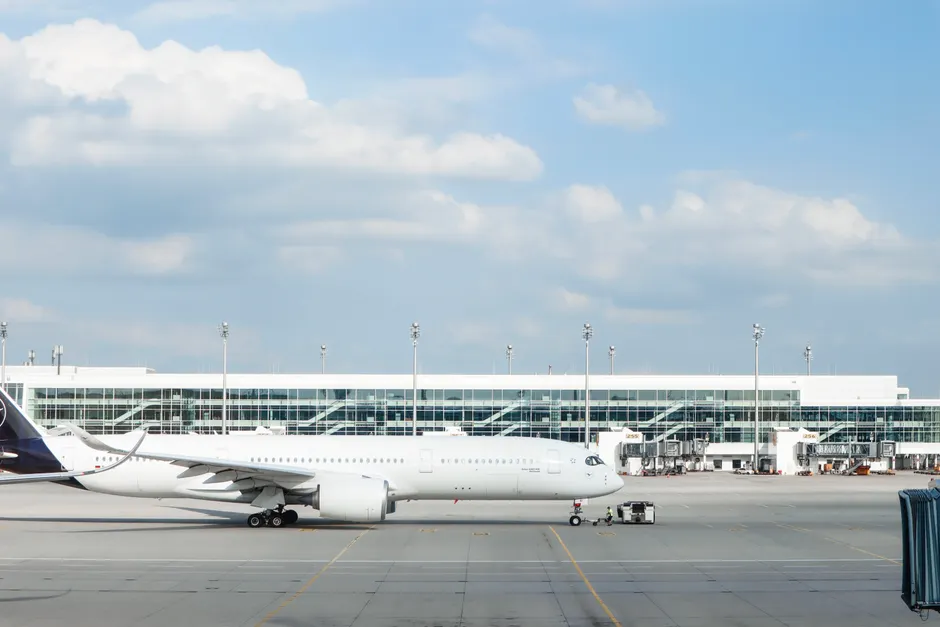
The airports taken were at Mekelle, Axum and Shire. Civilian flights were disrupted after Tigrayan forces took control of those facilities. Al Jazeera Flights to Lalibela were also suspended in September 2026 due to fighting nearby. Tigrayan forces had said in January 2026 that they had entered a defensive war with the Ethiopian government, and Tigrayan forces seized airports in Tigray overnight as reported that month. Shire itself was captured by Ethiopian government forces and their allies in October 2022 during the 2020-2022 civil war.
Alamata sits near Tigray's southern border with Amhara and serves as a supply hub for troops, fuel and food. Think of it as a warehouse and refueling stop on the main southern road. The town exchanged hands several times during the 2020-2022 civil war. A military source told Al Jazeera that government forces had advanced and were heading towards or surrounding Mekelle. The headquarters of Tigrai TV in Mekelle was hit by a drone on Sunday.
A second axis opened in Afar. TPLF forces seized Erebti, a town in Afar region, over the weekend before Sept. 29, according to an Ethiopian commander speaking to the Associated Press on condition of anonymity. The Tigray Peace Force acknowledged that Erebti had fallen to the TPLF, according to the Associated Press. Afar's governor told Al Jazeera that Eritrean forces were participating in fighting in Afar, controlled more than two-thirds of the region, and were moving to cut the road linking Djibouti and Eritrea. Most Ethiopian imports, including fuel, pass through supply routes from Djibouti. Al Jazeera
Seven armed groups announced an alliance before fighting spread from Tigray into Afar and Amhara. Ethiopia's army promised restraint amid fears of a new civil war. Federal troops and opposition fighters traded blame for violating the peace deal. Residents of the largest city in northern Ethiopia expressed fear after the eruption of fighting.
The broader context here is a two-front pattern familiar from the last war, but with momentum reversed. Alamata anchors the southern approach to Mekelle and the Raya corridor. Control there decides resupply for any push north. Erebti and the Afar lowlands decide something different: access to the Djibouti corridor. An advance that threatens that logistics spine carries economic pressure well beyond the ground gained.
Looking at what this means for force posture, both sides are claiming offensive initiative on separate axes. Federal and Tigray Peace Force messaging points to a south-to-north advance toward encirclement of Mekelle. Encirclement means surrounding a city to cut off supplies. TPLF messaging, through airport seizures and the Afar push, points to denial of air mobility and blocking of federal supplies. The Eritrean role, as described by Afar's governor, would add a third command chain in Afar if confirmed. Attribution remains contested, and independent verification is constrained by disrupted flights, restricted access, and competing claims over ceasefire violations.